

YouTube built one of the creator economy‘s biggest payment systems, but now it is raising the bar for who gets to share in it.
Beginning Feb. 1, 2027, new creators will need 8,000 qualified watch hours over the previous year or 20 million qualified Shorts views within 90 days to earn advertising and YouTube Premium revenue, the company announced Aug. 10.
This Tweet is currently unavailable. It might be loading or has been removed.
Both figures are double YouTube’s current requirements of 4,000 watch hours or 10 million Shorts views. The announcement did not mention a change to the existing requirement that creators have at least 1,000 subscribers.
The new rules will also affect creators who are already part of the YouTube Partner Program. To earn ad and subscription revenue from Shorts each month, they will need to maintain 10 million qualified views during a rolling 90-day period.
Channels that fall below the threshold will remain in the program and can continue making money from long-form videos. Shorts revenue sharing will resume automatically if their views climb back above it.
YouTube said creators who already earn “significant revenue” from Shorts are unlikely to be affected, but did not disclose how many channels currently fall short of the requirement.
The updates mark the first significant overhaul of the Partner Program since 2018. More than 3 million creators now participate in the program, which distributes revenue from advertising and subscriptions and provides access to fan contributions and shopping tools.
YouTube’s business has grown considerably since its last overhaul, particularly around short-form video. The platform now records more than 200 billion Shorts views each day, nearly three times the 70 billion daily views it reported in 2024. Viewers also reportedly watch more than 1 billion hours of YouTube on televisions daily.
As it places tighter requirements on Shorts revenue, YouTube is promising other ways for smaller channels to earn money. The company said it plans to introduce bonuses tied to YouTube Shopping, incentives for brand partnerships, and additional payments for creators who start or grow trends.
Details about the value of those incentives, their eligibility rules, and when they will become available have not been announced.
The lower level of the Partner Program will remain unchanged. Creators can still qualify for fan-funding and shopping tools with 500 subscribers, 3 public uploads within 90 days, and either 3,000 qualified watch hours or 3 million Shorts views. That tier does not include advertising or Premium revenue.
According to YouTube’s eligibility guidelines, qualified watch hours come from public long-form videos. Qualified Shorts views are engaged views from public videos shown in the Shorts feed. Activity from private, unlisted, or deleted videos does not count toward either requirement.
Premium Lite will create another subscription revenue pool
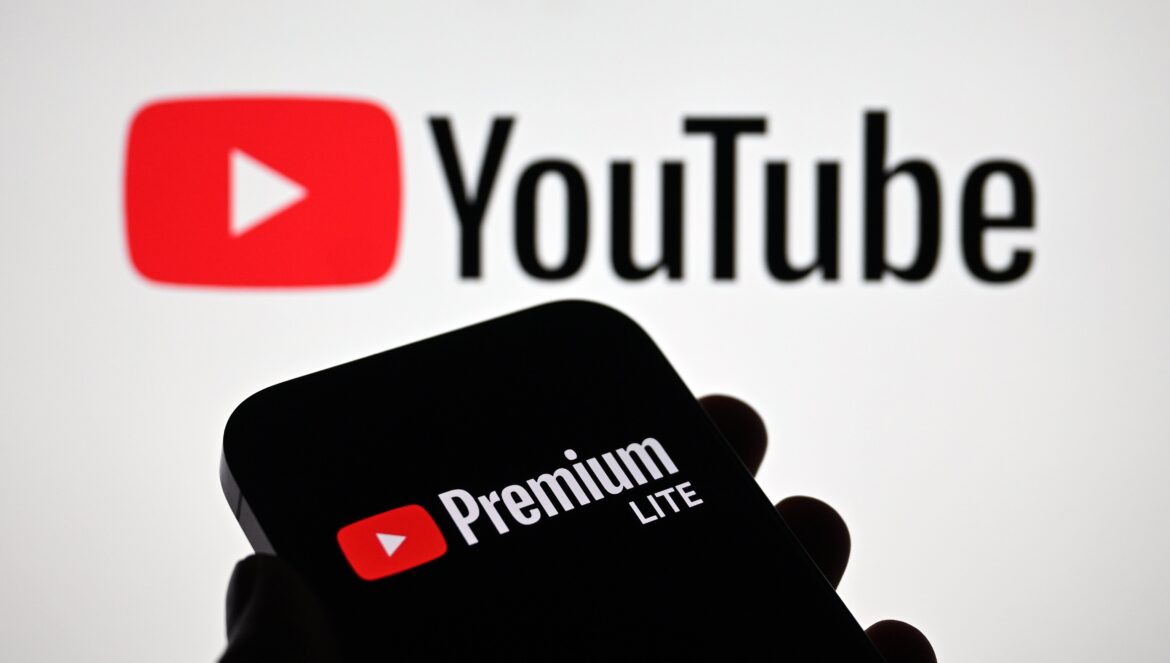
YouTube is also expanding Premium Lite to every country where the full YouTube Premium subscription is available. The service offers uninterrupted, offline, and background viewing of most content.
Under the updated structure, YouTube will place 60 percent of net Premium Lite subscription revenue into a dedicated pool for creators. The equivalent pool for full Premium subscriptions receives 30 percent.
The money is distributed based on what subscribers watch. Creators will continue to receive 55 percent of the revenue allocated to their long-form videos and 45 percent of the revenue allocated to Shorts.
YouTube said partners earn more on average when a viewer subscribes to Premium than when the same person watches ads. It expects the Premium Lite expansion and other updates to enable it to pay creators more in 2027 than in 2026.
The company did not disclose its total 2026 payout or estimate how many channels could see their Shorts revenue pause under the new rules.
When the changes arrive next year, creators will find out firsthand whether YouTube’s promise of more money still leaves room for smaller channels to earn it. Only time will tell.
Source: https://mashable.com/life/youtube-partner-program-monetization-changes-2027