Global crypto exchange KuCoin is reshaping its Australian business with a strategy centered on regulation, local operations, and real-world crypto payments. Once operating in Australia much like many offshore exchanges — accessible to local users but without deep regulatory integration — the company is now positioning itself as a fully compliant and locally invested digital asset platform.
The shift marks what KuCoin’s Australian leadership describes as an “evolution,” one that combines stricter compliance standards with mainstream consumer products, including a new Mastercard-powered crypto payment solution designed for everyday spending.
From Offshore Operator to Regulated Platform
KuCoin’s biggest milestone in Australia came in November 2025 when its local subsidiary secured registration as a Digital Currency Exchange (DCE) with AUSTRAC, Australia’s financial intelligence and anti-money laundering regulator. The registration placed the exchange under formal oversight for digital currency exchange services and signaled a major strategic pivot for the company.
The move arrived during a period of heightened scrutiny across the Australian crypto sector. Regulators increasingly targeted offshore exchanges operating without robust local compliance structures, forcing many firms to either adapt or risk losing access to the market.
KuCoin framed the registration as more than a regulatory checkbox. CEO BC Wong described it as a critical step in strengthening the exchange’s global compliance framework. At the same time, the company emphasized that registration was only the beginning of a broader push into Australia’s regulated financial system.
Part of that strategy includes cooperation with Echuca Trading, a company holding an Australian Financial Services Licence (AFSL) issued by Australian Securities and Investments Commission. Through the partnership, KuCoin aims to structure its crypto futures offerings within Australia’s increasingly strict financial rules.
That dual structure — AUSTRAC registration for exchange operations combined with AFSL-backed support for more sophisticated financial products — reflects the direction Australia’s digital asset regulations are moving.
The country’s new digital asset legislation, the Corporations Amendment (Digital Assets Framework) Bill 2025, introduces licensing, governance, and consumer protection requirements for platforms handling customer crypto assets. Exchanges operating in Australia are now expected to meet standards closer to those imposed on traditional financial institutions.
For global exchanges, the message is increasingly clear: compliance is no longer optional in one of the Asia-Pacific region’s most active crypto markets.

From Offshore Operator to Regulated Platform
Building a Local Presence
Alongside its regulatory efforts, KuCoin has also expanded its physical and operational footprint inside Australia.
The company opened a Sydney headquarters and appointed James Pinch as Managing Director for Australian operations. Pinch brings experience across finance, compliance, legal, and crypto trading sectors, including previous work at major digital asset companies.
KuCoin’s leadership believes local engagement will become increasingly important as regulators tighten standards and users demand greater transparency from crypto platforms.
Speaking at the Australian Crypto Convention, Pinch argued that regulation should be viewed as a competitive advantage rather than a limitation. He stressed that crypto companies must remain flexible and adapt products to fit local legal frameworks.
That message reflects a broader trend across the digital asset industry. After years dominated by rapid expansion and limited oversight, many global exchanges are now competing on trust, licensing, and institutional-grade compliance.

Building a Local Presence
Why Australia Matters
KuCoin’s investment push is closely tied to Australia’s growing crypto adoption.
According to research conducted by the exchange, roughly 22% of Australians now own digital assets, highlighting strong consumer interest in cryptocurrencies despite market volatility and regulatory uncertainty.
The research also identified a major user preference: simple and familiar payment methods.
More than half of Australian crypto users reportedly fund accounts through bank transfers, while over 40% rely on debit or credit cards. Far fewer users depend on peer-to-peer transfers or standalone crypto wallets.
That data suggests many Australian consumers are less interested in navigating complex crypto-native systems and more interested in integrating digital assets into ordinary financial habits.
For exchanges, that creates an opportunity to bridge traditional finance and crypto through products that reduce friction for everyday users.
KuCard Brings Crypto Payments to Daily Spending
KuCoin’s latest major launch in Australia directly targets that demand.
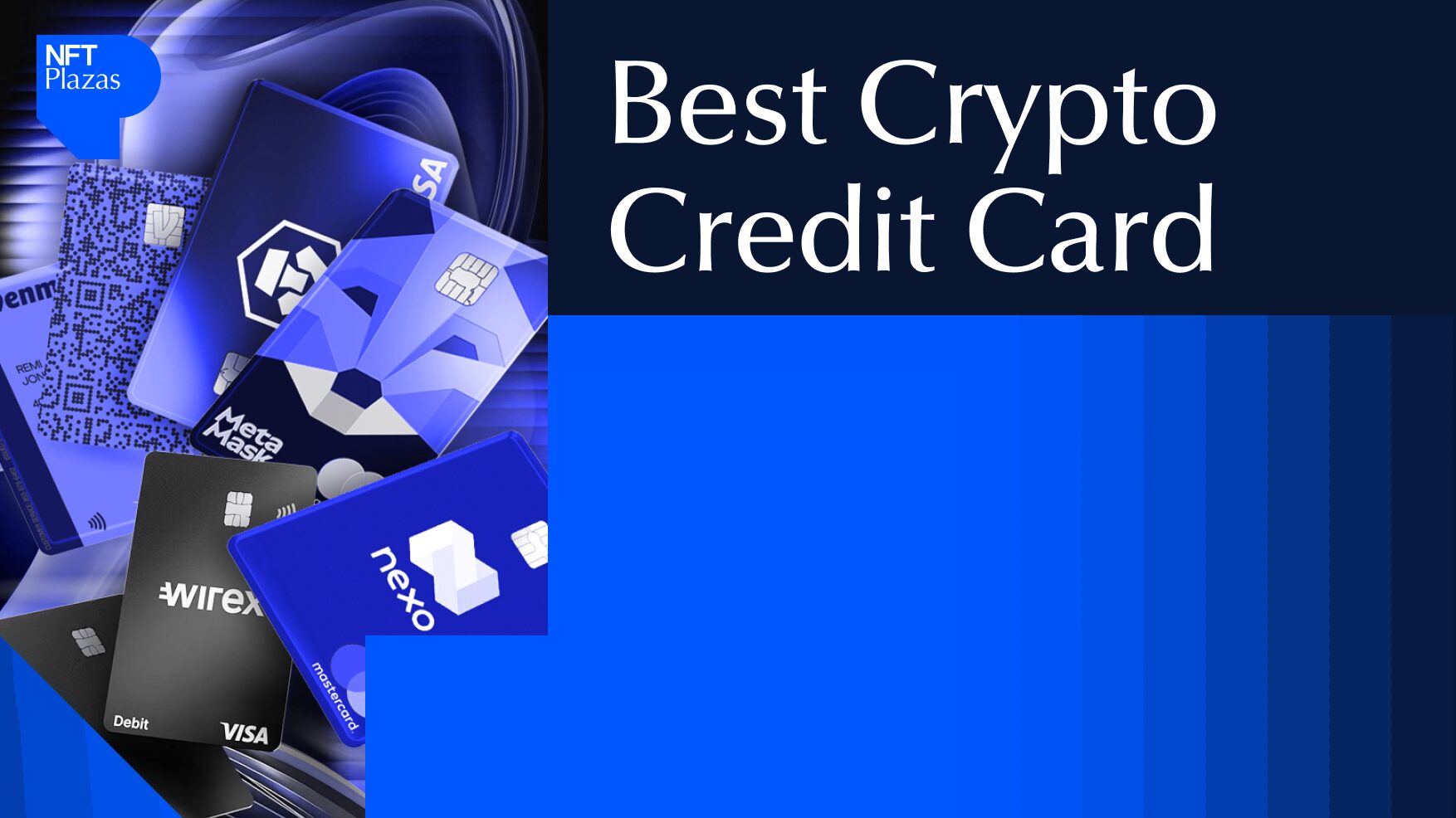
In April 2026, the company introduced KuCard, a Mastercard-backed crypto payment product allowing eligible Australian users to spend digital assets anywhere Mastercard is accepted.
The virtual debit card was developed through a partnership involving Mastercard and Immersve, with Immersve acting as a principal member of the Mastercard network.
KuCard supports USDC alongside 37 trading pairs tied to major cryptocurrencies such as Bitcoin and Ether. When users make purchases, crypto balances are automatically converted into fiat currency at the point of sale.
The system is designed to eliminate the need for users to manually convert crypto into Australian dollars before spending. Instead, settlement occurs instantly during the transaction process.
The card also integrates with Apple Pay and Google Pay, allowing contactless payments through smartphones — an important feature in Australia, where tap-and-pay transactions dominate retail purchases.
For many crypto companies, the challenge has always been moving beyond trading speculation into practical use cases. KuCoin is betting that seamless payment infrastructure could help digital assets become part of everyday commerce.
Immersve CEO Jerome Faury described the partnership as a major step toward mainstream adoption of digital assets in daily payments. Meanwhile, Mastercard executive Christian Rau said the collaboration supports the broader push to make digital assets usable in real-world settings.
The Australian launch also represents KuCard’s expansion into the Asia-Pacific region. KuCoin originally introduced the product in Europe in 2023 through a Visa-based structure, but the Australian rollout uses Mastercard infrastructure instead.
To encourage adoption, KuCoin offered incentives for early users, including cashback rewards and USDC bonuses.

KuCard
A Broader Strategy Beyond Trading
KuCoin says the card launch is only one piece of a wider strategy aimed at building a complete crypto ecosystem for Australian users.
Rather than focusing solely on trading activity, the company wants to connect crypto investing with payments, asset management, and regulated financial services. As Australia’s digital asset framework continues evolving, additional compliant products are expected to follow.
Security and trust are also central to the company’s positioning.
KuCoin states that it is currently the only major global exchange simultaneously holding SOC 2 Type II, ISO 27001, and ISO 27701 certifications — standards tied to cybersecurity, data management, and privacy controls.
That focus comes at a critical moment for the crypto industry, which continues to rebuild public confidence following multiple exchange failures and regulatory crackdowns over the past several years.
For Australian users, KuCoin’s approach represents a noticeable shift from the earlier era of loosely regulated crypto platforms operating from offshore jurisdictions. Instead of avoiding regulation, the company is leaning into it — pairing compliance credentials with consumer-focused products aimed at making digital assets more practical for everyday life.
Whether that strategy becomes a long-term competitive advantage may depend on two factors: how quickly rival exchanges adopt similar compliance structures, and how aggressively Australia continues tightening oversight of the digital asset sector. But for now, KuCoin’s Australian “evolution” reflects a broader transformation taking place across the global crypto industry itself.