

Blockchain researcher William Mougayar defended the Ethereum Foundation after months of criticism over ETH sales, unstaking activity, and limited public communication.
Summary
- William Mougayar said critics misread the Ethereum Foundation by treating it like a marketing team.
- Recent Foundation sales to BitMine totaled 25,000 ETH across three OTC deals lately.
- Separate reports showed 38,305 ETH unstaked from Lido and earlier queues during recent treasury moves.
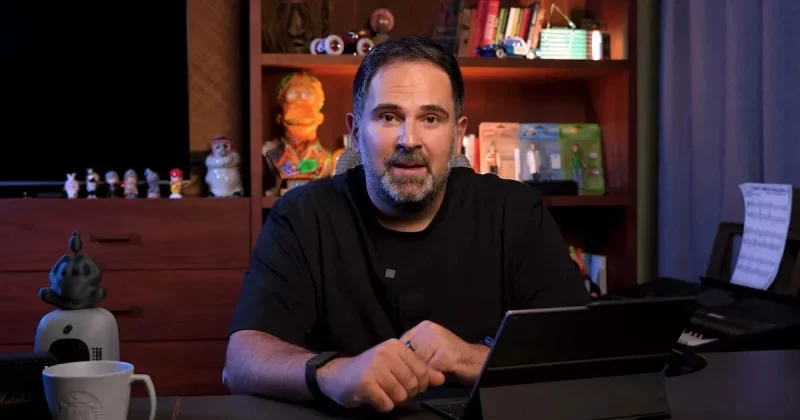
Mougayar said critics often judge the Ethereum Foundation by the wrong standard. In his X post titled “Leave the Foundation Alone,” he argued that the group serves the protocol rather than ETH’s market price.
He said ETH, Ethereum, and the Ethereum Foundation are separate parts of the ecosystem. He described ETH as money, Ethereum as shared compute, and the Foundation as a non-profit working to reduce its own role over time.
ETH sales keep drawing questions
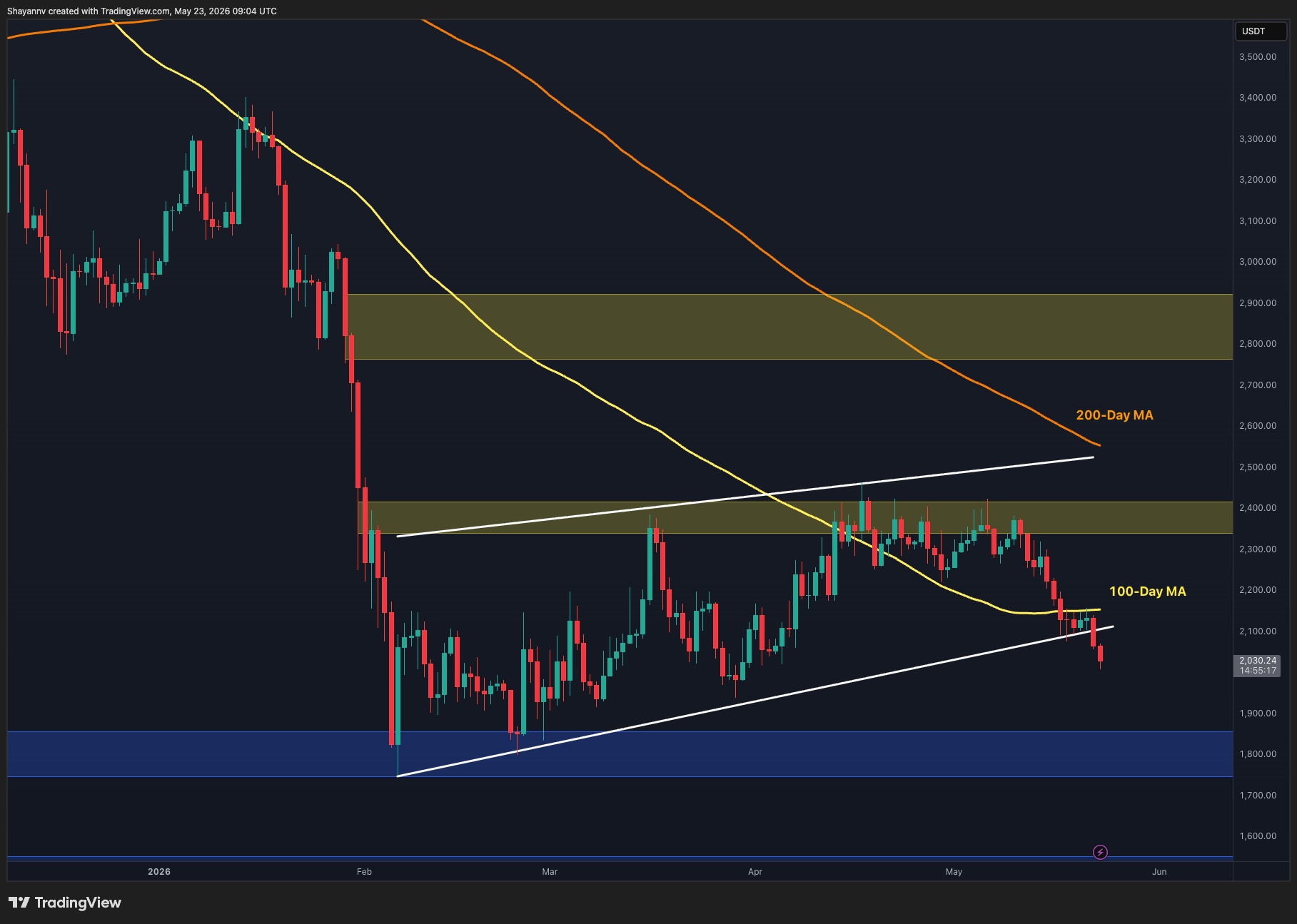
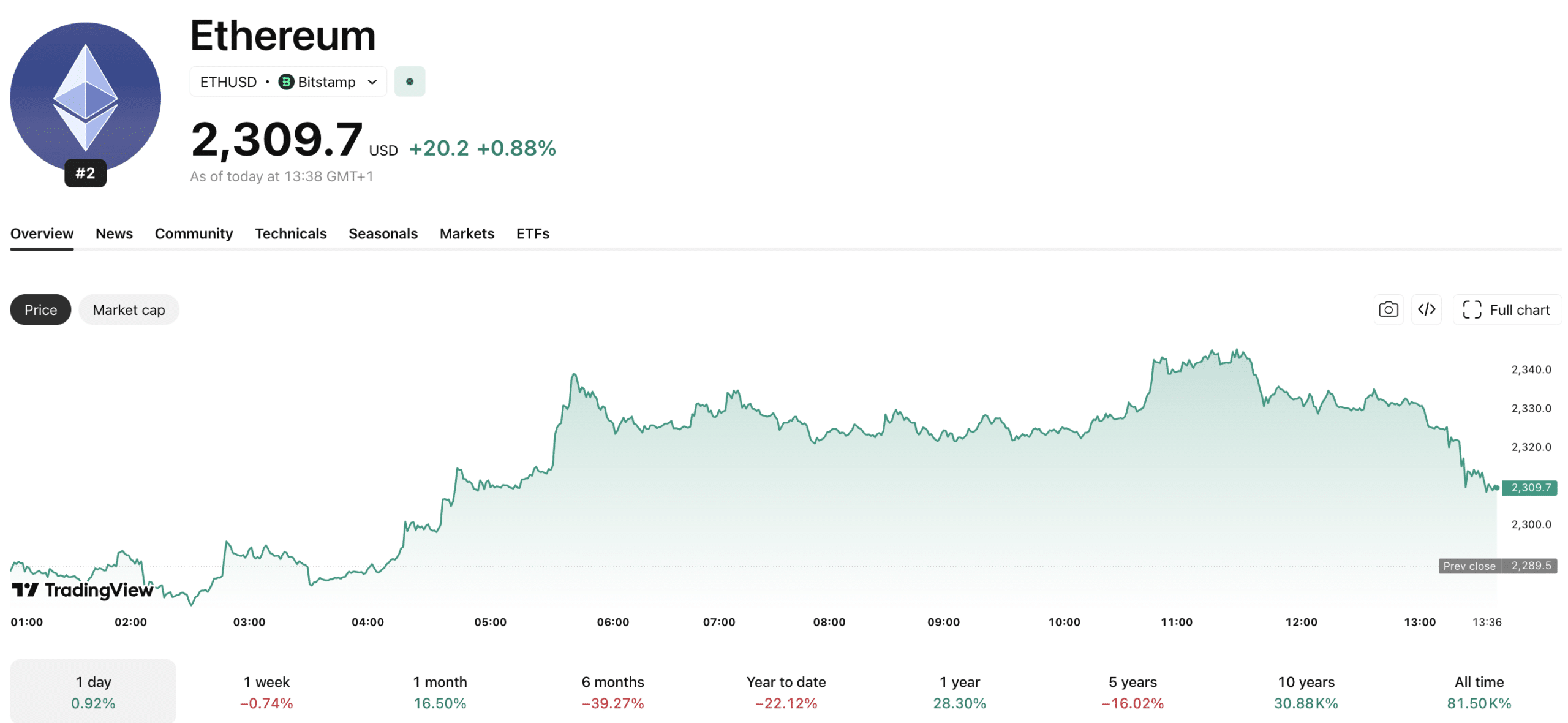
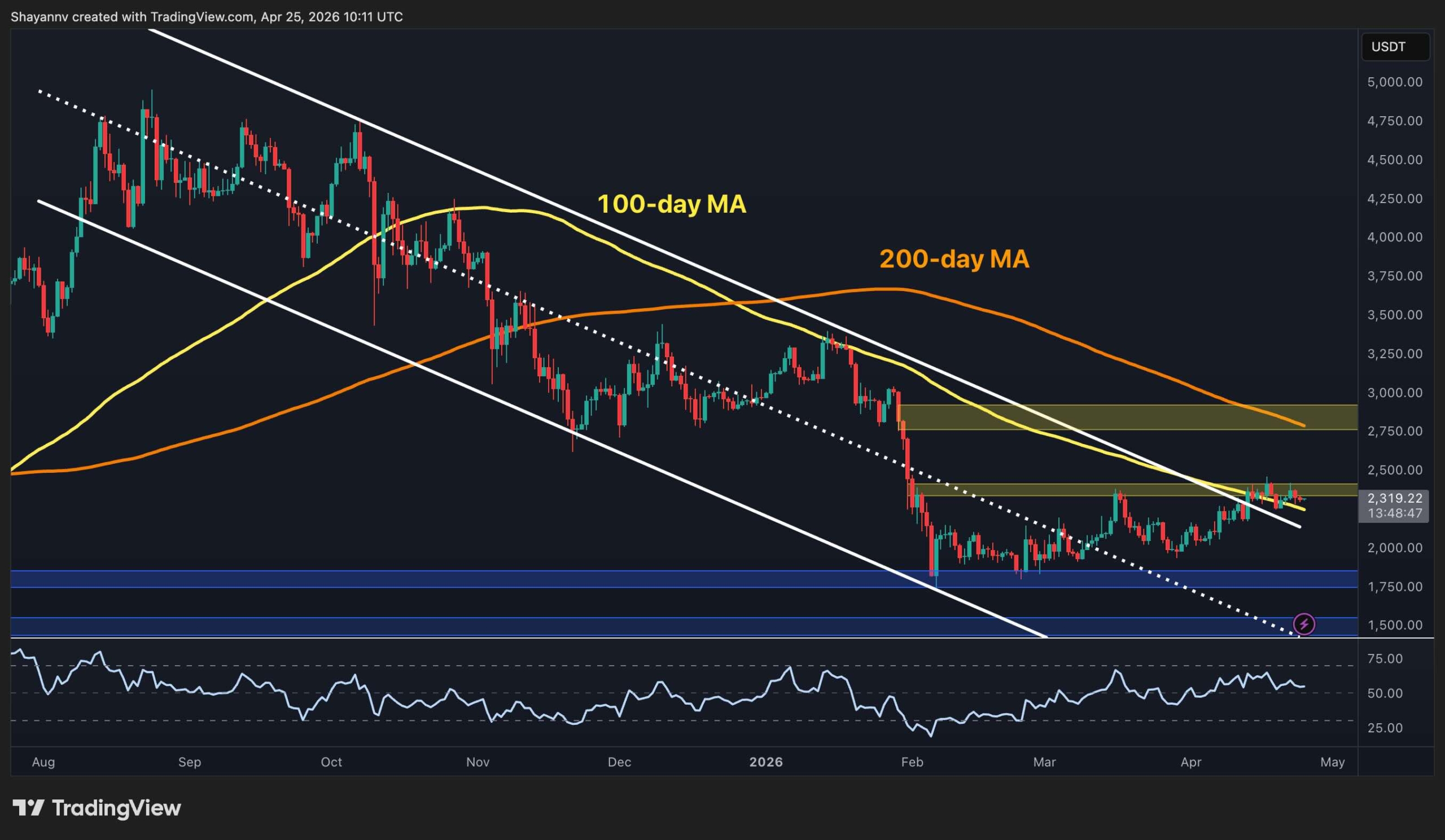
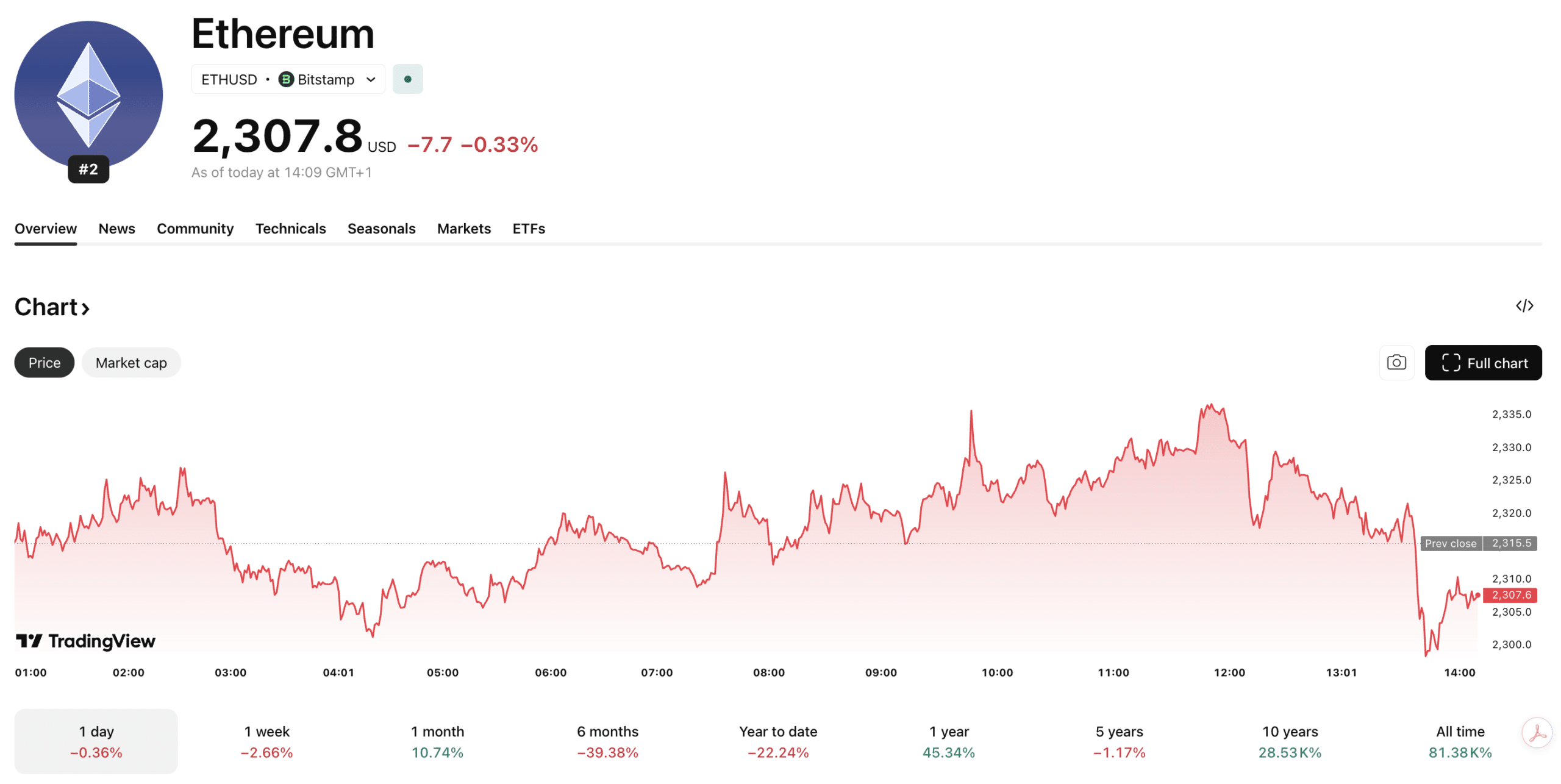
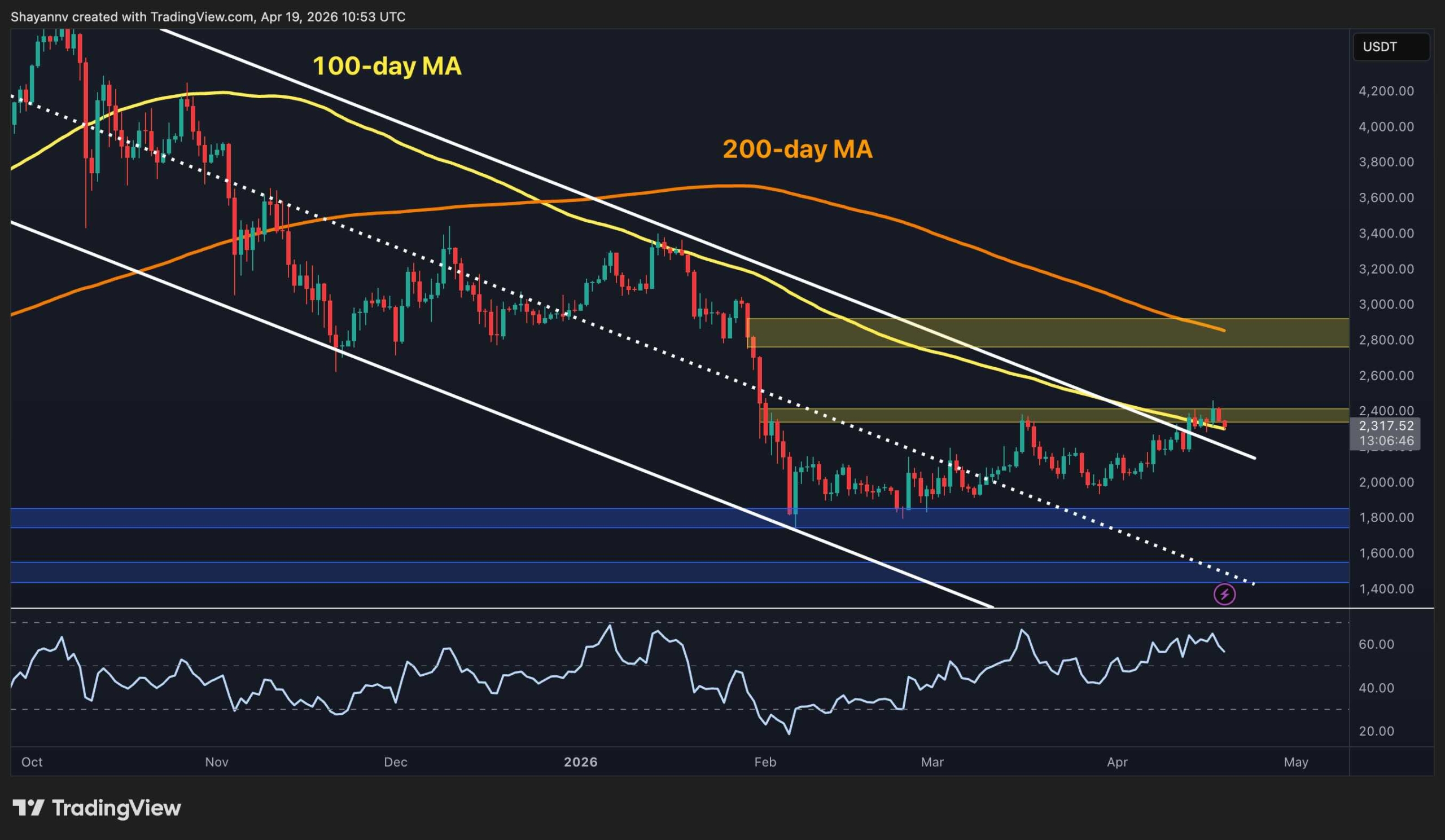
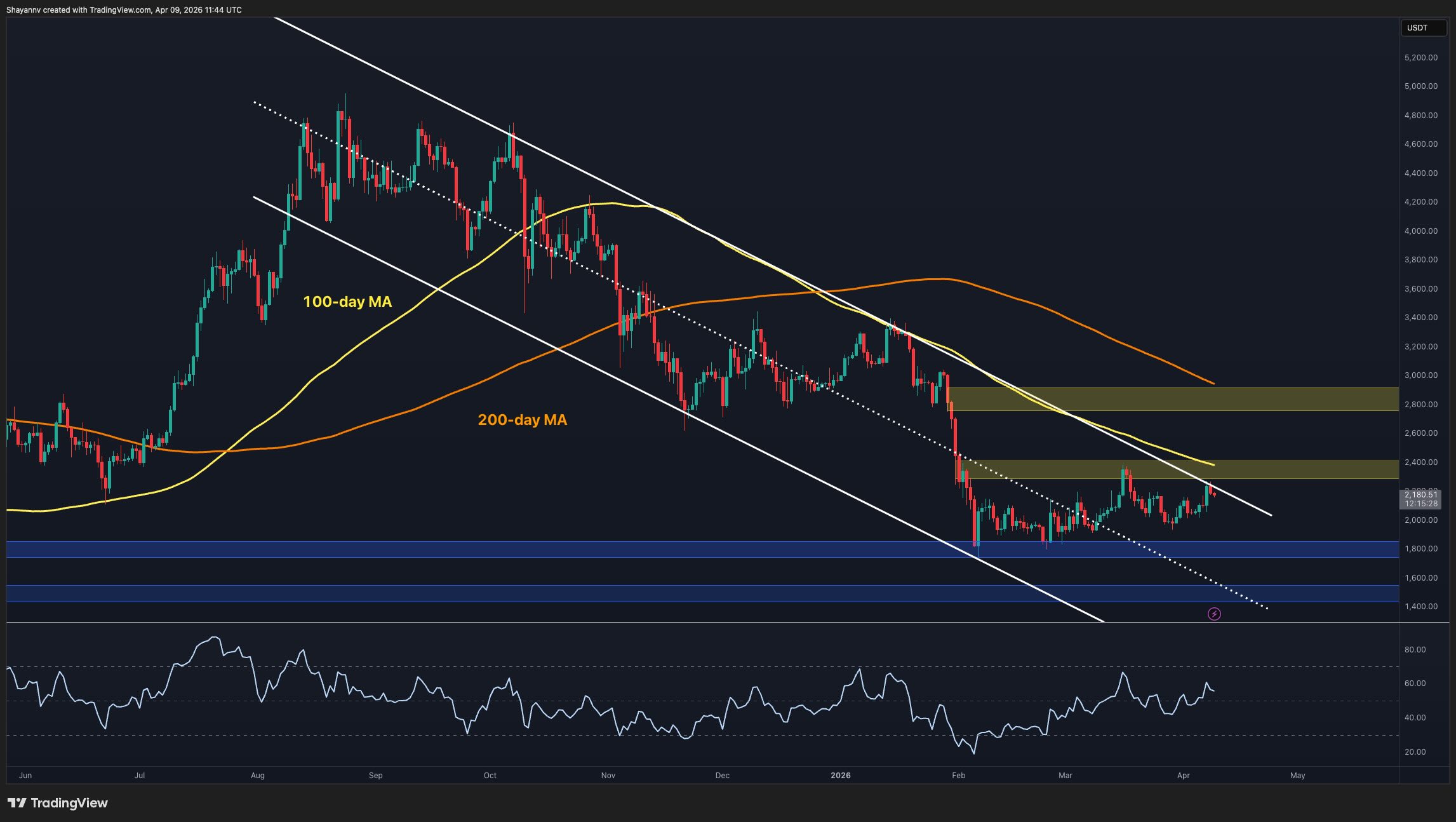
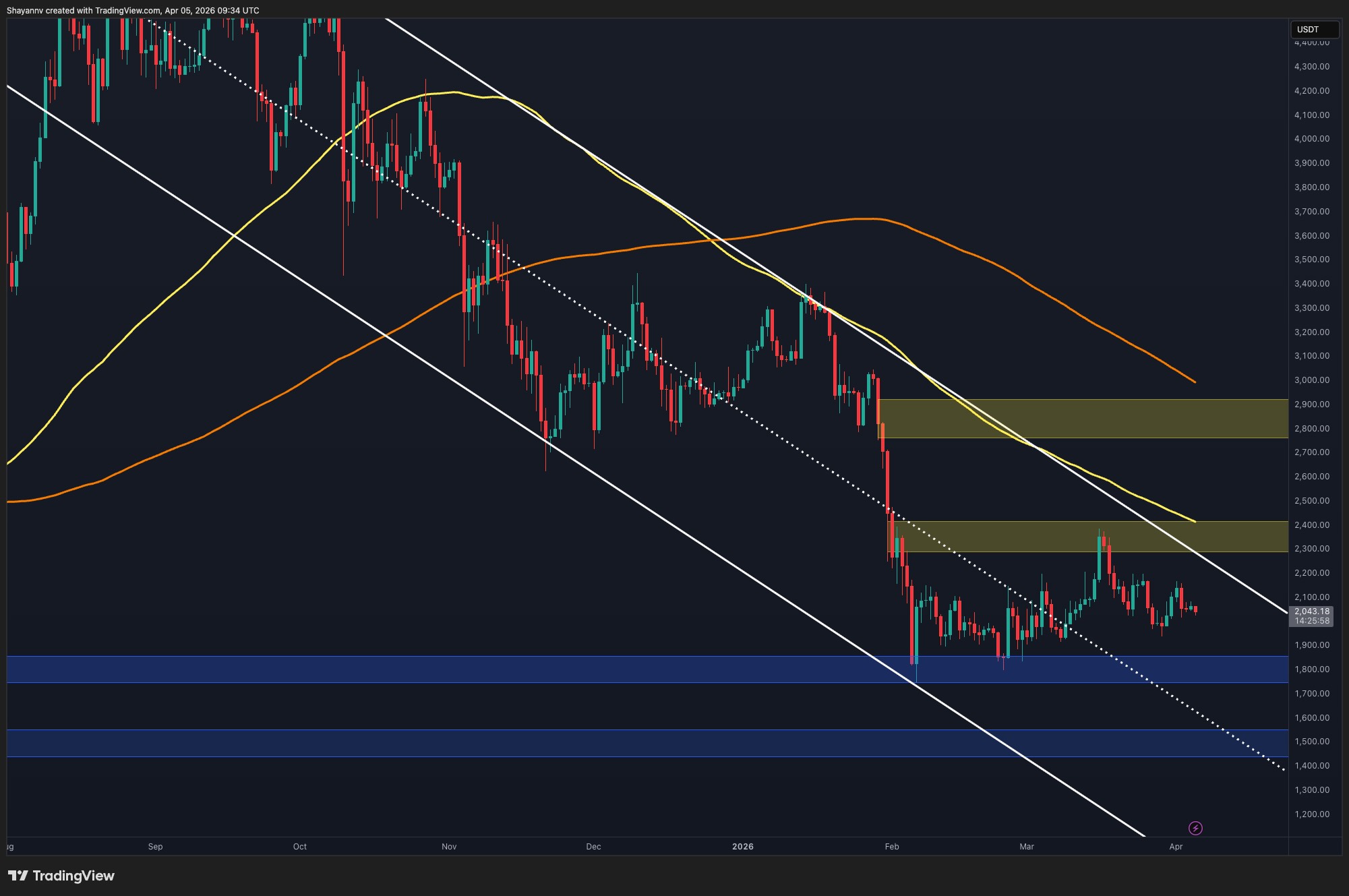
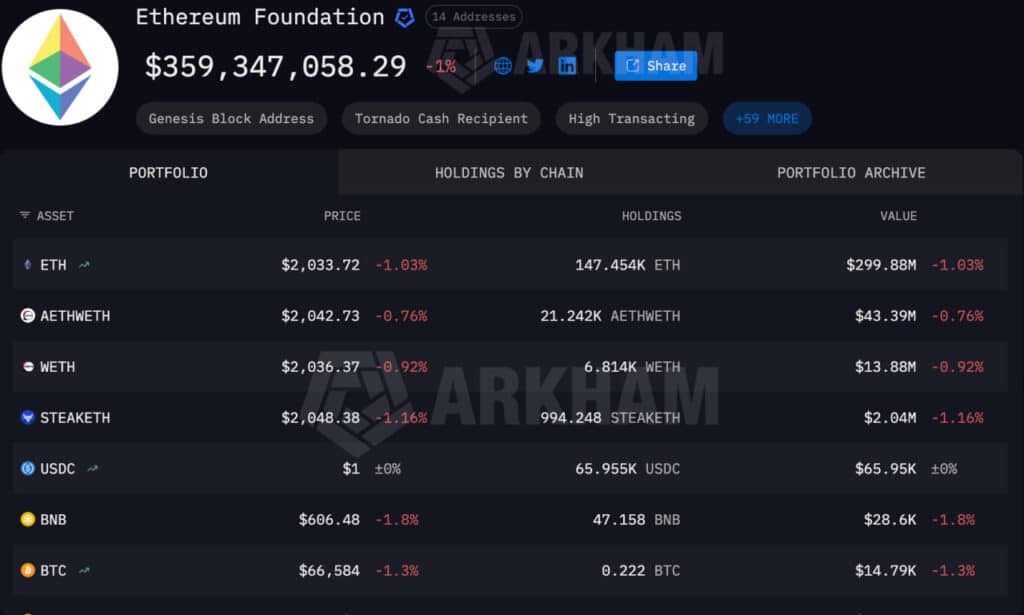
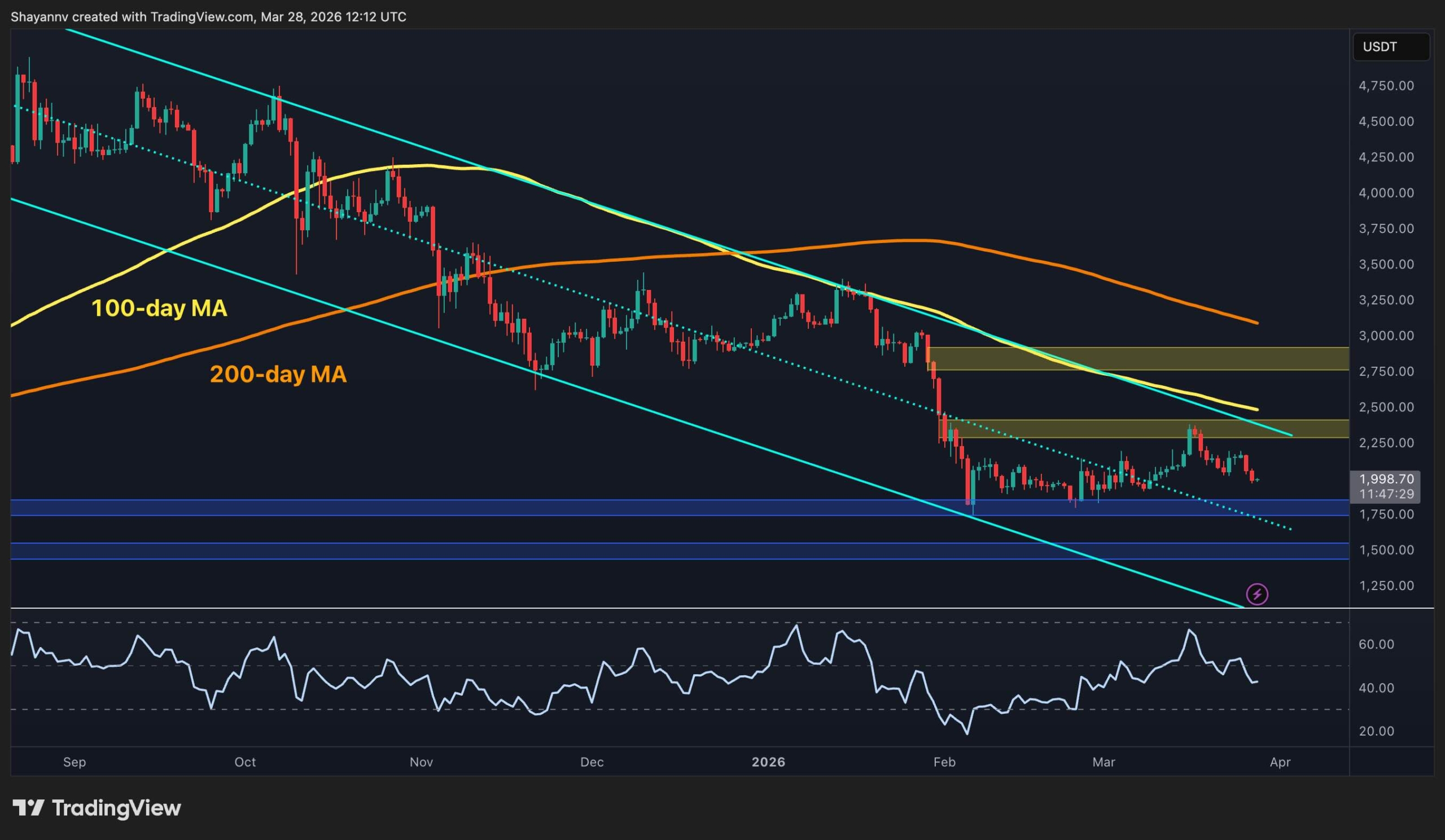
The defense comes as the Foundation faces questions over its treasury activity. Related coverage reported that it sold 10,000 ETH to BitMine on May 1 at an average price of $2,292 per ETH.
That sale followed another 10,000 ETH sale to BitMine one week earlier and a 5,000 ETH sale in March. The March deal was priced at $2,042.96 per ETH and was also done through an OTC transaction.
Crypto.news reported that the Foundation said the May sale would fund core operations and activities. The group listed protocol research, ecosystem work, and community grants as funding areas.
Unstaking moves add to public debate
The Foundation has also made large staking changes. On April 26, crypto.news reported that it unstaked 17,035.326 ETH, worth about $40 million, shortly after moving close to a 70,000 ETH staking target.
On May 12, another report said the Foundation withdrew 21,270 ETH from Lido staking. Arkham said the move placed the funds into Ethereum’s withdrawal queue while the unstaking process runs.
The Foundation did not explain the April unstaking move at the time, which led some market users to question whether the ETH could later be sold. However, the report noted that no official statement linked the withdrawal to a market sale.
Research funding remains the core argument
Mougayar said the Foundation is meant to harden Ethereum and fund work that others may not support. That view matches the Foundation’s grant activity, which has focused on zero-knowledge research, validator security, Ethereum clients, and public infrastructure.
He also rejected the idea that the Foundation should act like a marketing team for ETH. His argument was that Ethereum’s main support body should become less central as the network matures.
The debate now centers on two different views of the same institution. Some ETH holders want clearer communication and fewer large treasury moves. Mougayar’s position is that the Foundation should protect the protocol, even when that does not match short-term market demands.