
Key Takeaways:
- Garlinghouse said the industry is closer than ever to securing U.S. crypto clarity.
- Garlinghouse suggested Washington may be nearing a compromise as frustration builds.
- SEC and CFTC alignment adds pressure on Congress to turn two-agency signals into law.
Regulatory Certainty Remains Central to US Digital Asset Market
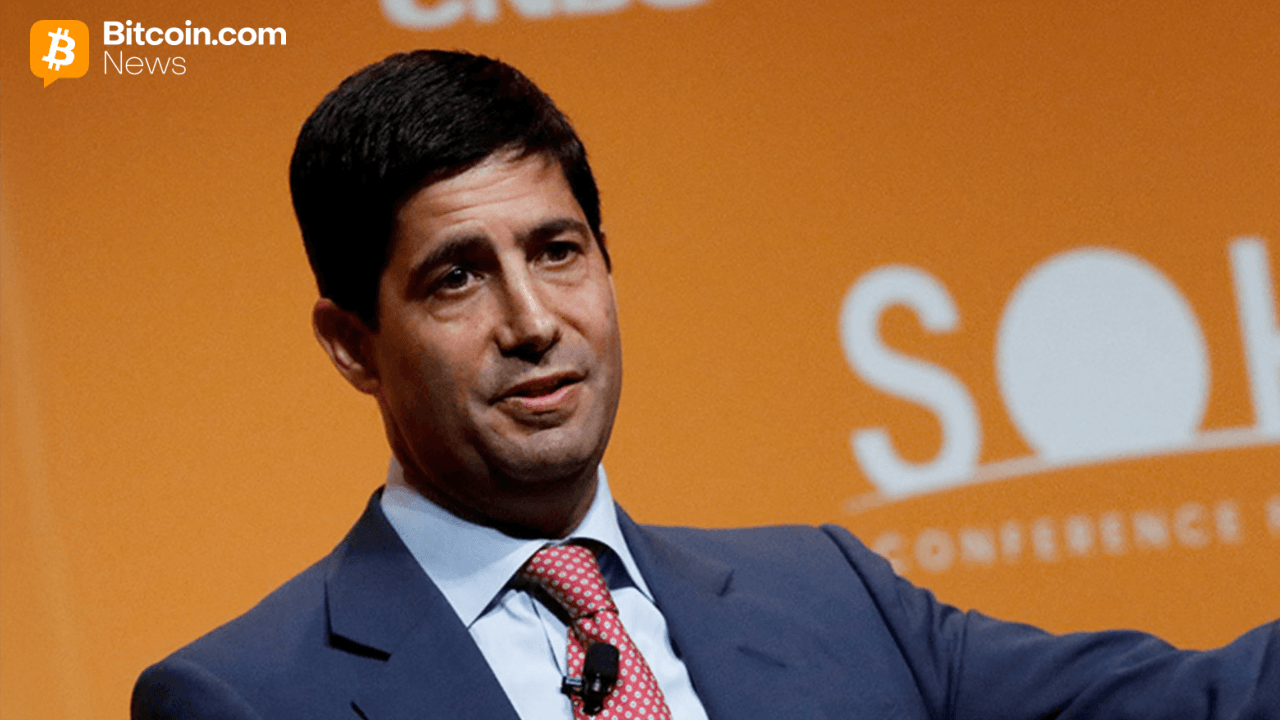
Regulatory certainty remains one of the most important variables for the U.S. digital asset market as companies press Washington to turn shifting agency signals into durable law. Ripple Chief Executive Brad Garlinghouse renewed that message on April 14 while marking 11 years at the company. His comments tied personal tenure, policy outreach, and legislative timing to the sector’s broader push for stable crypto rules.
Garlinghouse stated on social media platform X: “Yesterday, I celebrated 11 years at Ripple. Back then, I couldn’t have predicted that we’d still be fighting for regulatory clarity.” He framed the issue as a long-running policy battle rather than a short-term dispute. The executive also pointed to recent meetings in Washington with Sen. Bill Hagerty, Sen. Bernie Moreno, Sen. Tim Scott, Sen. John Boozman, and Patrick Witt, alongside an appearance at the Semafor World Economic Summit. He added:
“The fight has been worth it … I know we are closer than ever.”
That wording suggested growing confidence that crypto legislation is moving from discussion toward a more actionable phase.
The Digital Asset Market Clarity Act, often called the CLARITY Act, is still under consideration by the U.S. Senate following earlier House approval. The bill passed the House of Representatives in July 2025 and has since moved into negotiations in the Senate Banking Committee. Lawmakers returned on April 13 after the Easter recess, opening what observers describe as a narrow window for progress. The committee, chaired by Senator Tim Scott, is targeting a markup in the final two weeks of April. Senator Bernie Moreno has indicated that failure to advance the bill before May could delay consideration until after the 2026 midterm election cycle. Recent discussions have focused on stablecoin yield provisions, where an agreement in principle would restrict passive yield while allowing activity-based rewards. Coinbase Chief Executive Brian Armstrong publicly backed the legislation recently, removing a key industry obstacle.
Latest Remarks Align With Broader Push for Clear Crypto Rules
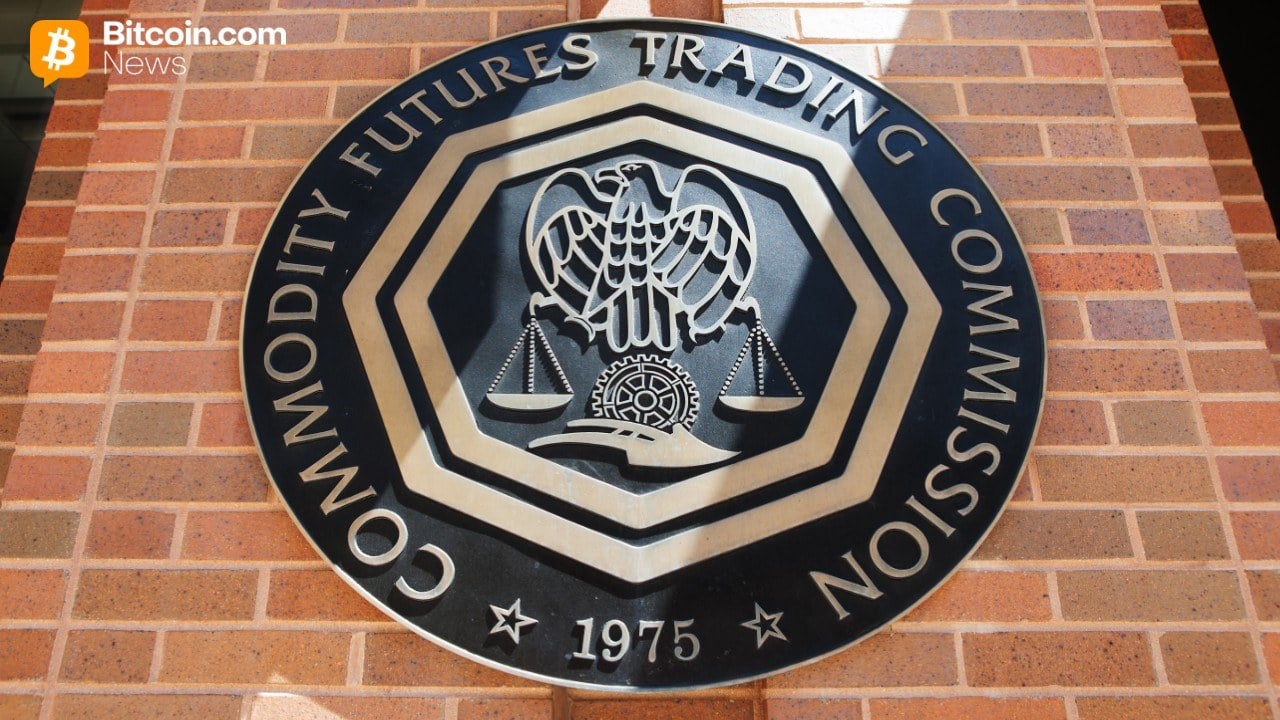
The latest developments also align with Garlinghouse’s broader argument that agency coordination, while important, does not fully remove policy risk for digital asset firms. At a recent Semafor World Economic Summit, he pointed to alignment between the U.S. Securities and Exchange Commission (SEC) and Commodity Futures Trading Commission (CFTC) as a meaningful shift for the sector.
Even so, the Ripple chief has warned that regulatory posture can change with new leadership unless Congress codifies clear standards. That view reflects a central concern across crypto markets: without legislative permanence, firms still face uncertainty around oversight, market structure, and enforcement direction. Garlinghouse also linked the debate to politics, arguing that hostility toward crypto may carry limited electoral upside as the industry’s voter base and economic footprint expand. Garlinghouse emphasized on X:
“The CLARITY Act window is open. And now is our moment to act.”
That appeal sharpened the legislative focus of his message and underscored the urgency behind current lobbying efforts. He also reiterated a point from his public remarks about compromise: “When people are at their peak frustration, that’s when they finally compromise, and it gets done. I think we’re there.” Together, those statements present a measured but still constructive view that momentum is building, even if a final U.S. crypto framework has not yet been secured.