Key Takeaways:
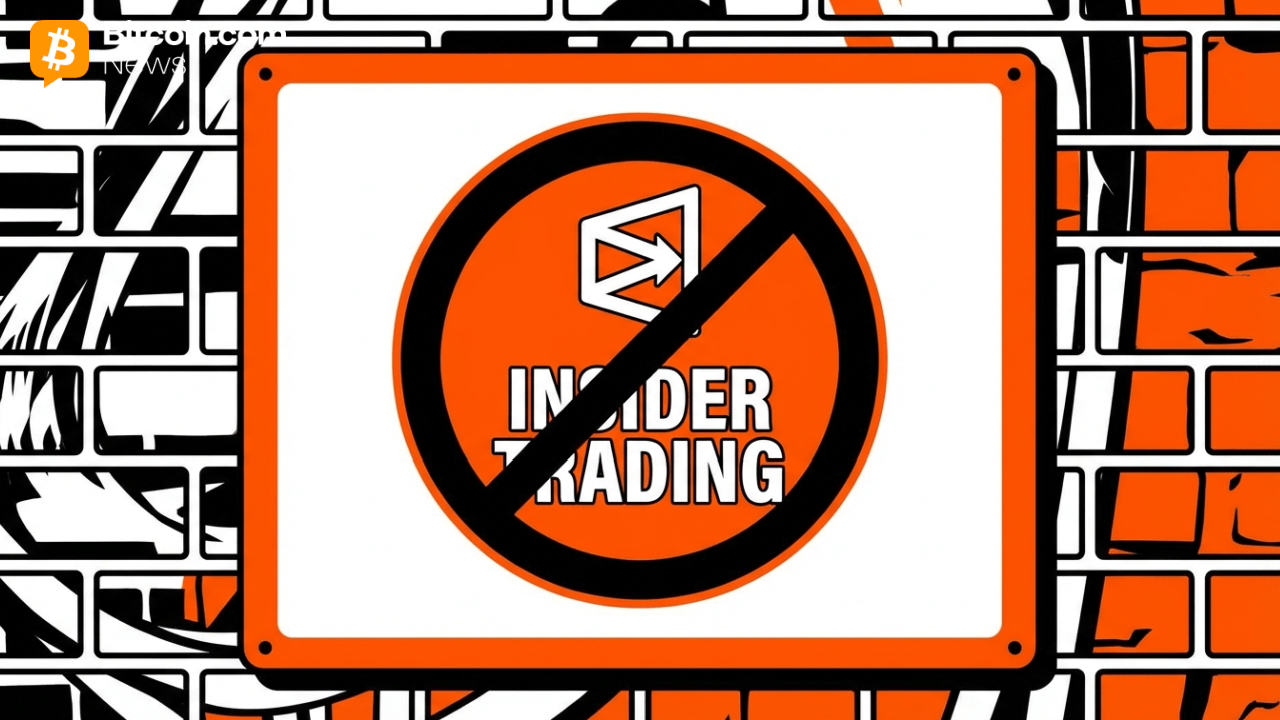
- Ontario Bill 107 would ban online gambling ads across TV, social media, and paid sponsorships.
- Fines reach C$1 million; second conviction triggers license revocation.
- Ontario PCs hold 80 seats; Liberals hold 14, making passage unlikely.
A Legislative Backlash to the 2022 Privatization
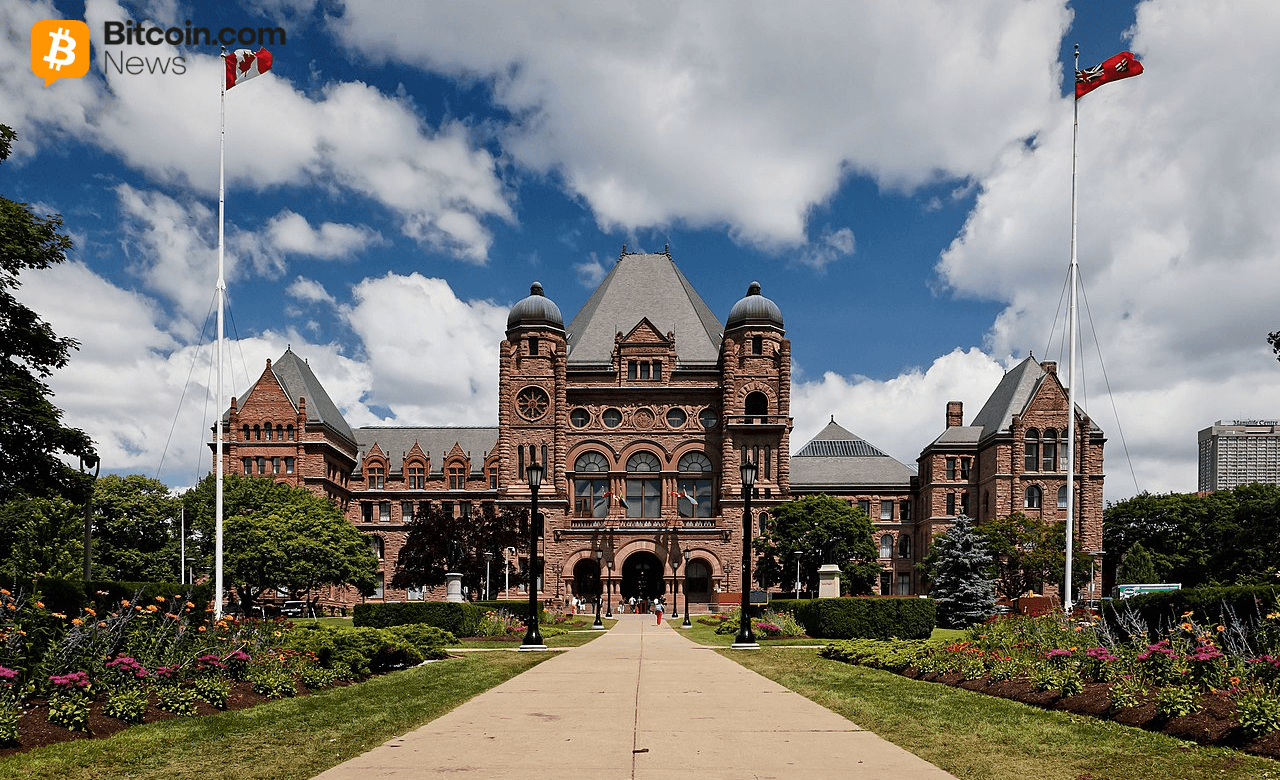
Lee Fairclough, the Liberal critic for mental health, addictions, and homelessness, tabled the bill in the Legislative Assembly of Ontario on April 20. It cleared its first introductory vote and was ordered for second reading, with debate scheduled for mid-May. The proposal would amend Ontario’s Gaming Control Act, 1992, to prohibit roughly 50 licensed sportsbook and iGaming operators — and the firms marketing on their behalf — from promoting their platforms through broadcast media, social media, or paid sponsorships.
The bill frames itself explicitly as a reversal of the Doug Ford government’s 2022 decision to open Ontario to private iGaming operators. “Online gambling is becoming a public health crisis,” Fairclough said in the statement accompanying the bill, which also states that calls to ConnexOntario, the province’s mental health and addictions helpline, have risen 144 percent since the regulated iGaming market launched in April 2022 – a figure that was likely derived from the Canadian Medical Association Journal’s March 2 study this year.
Fairclough has argued that gambling platforms could be “supercharging” addiction, pointing to the ubiquity of promotional content as a driver of normalization. The bill draws an explicit parallel with tobacco, alcohol, and cannabis – each subject to advertising restrictions in Canada.
Per the bill draft, individuals convicted of breaching the advertising prohibition would face fines of up to C$100,000, while corporate violators could be liable for up to C$1 million. A second conviction triggers mandatory revocation of a supplier’s registration, designed to prevent operators from treating financial penalties as a cost of doing business.
While the bill is unlikely to pass – the Progressive Conservatives hold 80 seats in the Ontario Assembly, the Liberals just 14, leaving Fairclough’s caucus as the third party rather than the official opposition – it is moving in parallel with the federal Bill S-211, titled the National Framework on Sports Betting Advertising Act, which has passed the Senate and is awaiting further House of Commons consideration under Prime Minister Mark Carney’s newly secured Liberal majority.
The Canadian Gaming Association issued a statement on April 22 opposing Bill 107, arguing that Ontario’s existing framework already constitutes “some of the most rigorous marketing regulations in North America.” Licensed operators are already barred from advertising promotional bonuses outside their own websites, apps, and direct customer channels, and are prohibited from marketing to high-risk cohorts, minors, or self-excluded players.
The Alcohol and Gaming Commission of Ontario strengthened these rules further in 2024 by restricting the use of athletes and celebrities in ads. The CGA argued the bill would “essentially allow illegal operators to flood social media with posts, making it impossible for Ontarians to identify licensed providers while weakening the authority of the AGCO.”
This argument mirrors a talking point based on industry insights elsewhere in the world. In the United Kingdom, research published in April by the Betting and Gaming Council has recently forecasted that unlicensed operator ad spend will exceed that of regulated firms for the first time by 2028. This is driven by the same structural pattern, where regulatory tightening on licensed operators creates space for offshore alternatives and other noncompliant actors.
Ontario’s regulated market has grown substantially since launch. Figures from iGaming Ontario’s 2024-25 annual report show C$82.7 billion in wagers, C$2.9 billion in gaming revenue, 50 operators, and more than 2.6 million active player accounts.
As the regulatory discussion continues on a federal and provincial level alike, Alberta is set to become the second Canadian province to launch a competitive iGaming market in July.