Key Takeaways:
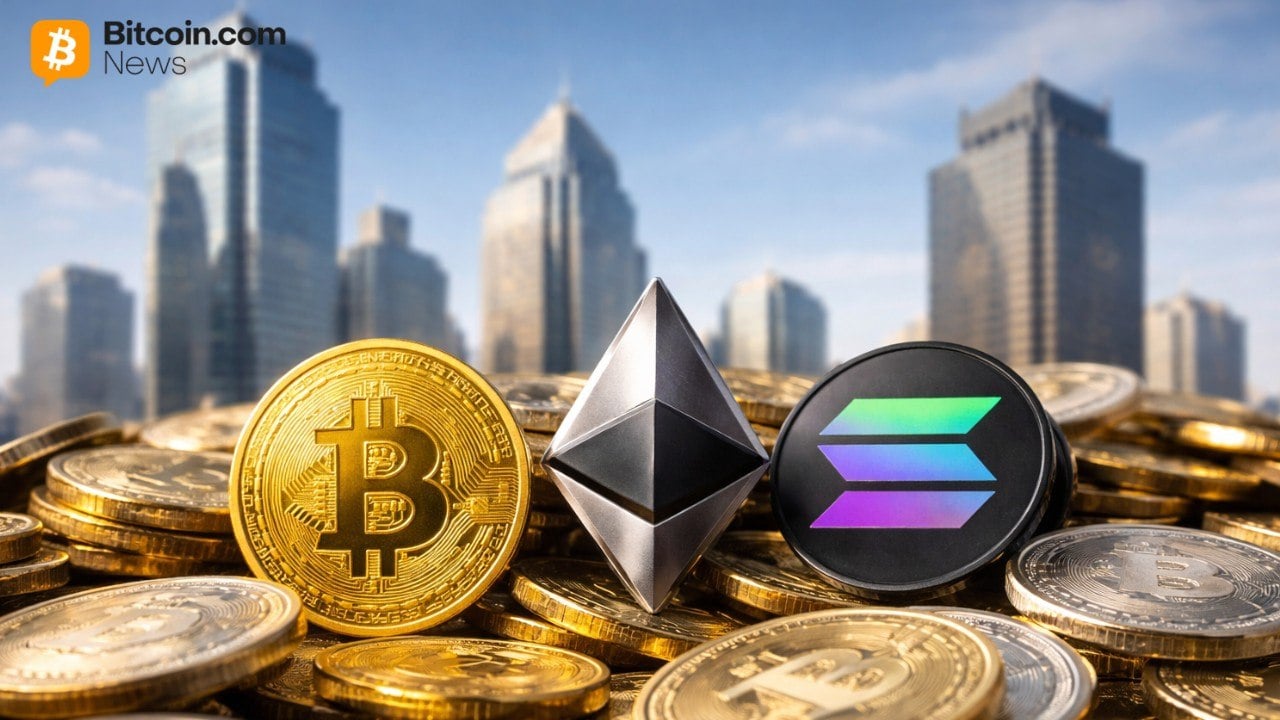
- Bitcoin mining stocks have dramatically outperformed BTC itself in 2026, with most of the top ten publicly listed mining organizations posting year-to-date (YTD) gains of 25–73% while bitcoin sits roughly 12% in the red since January 1.
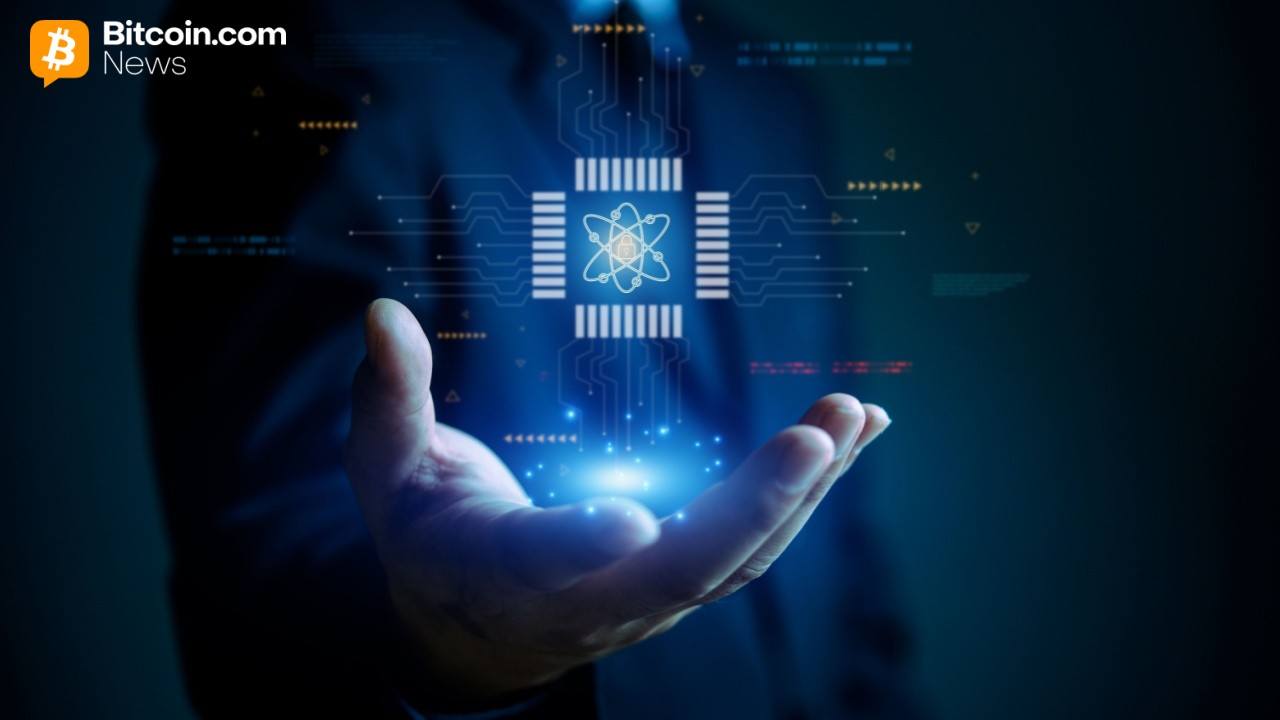
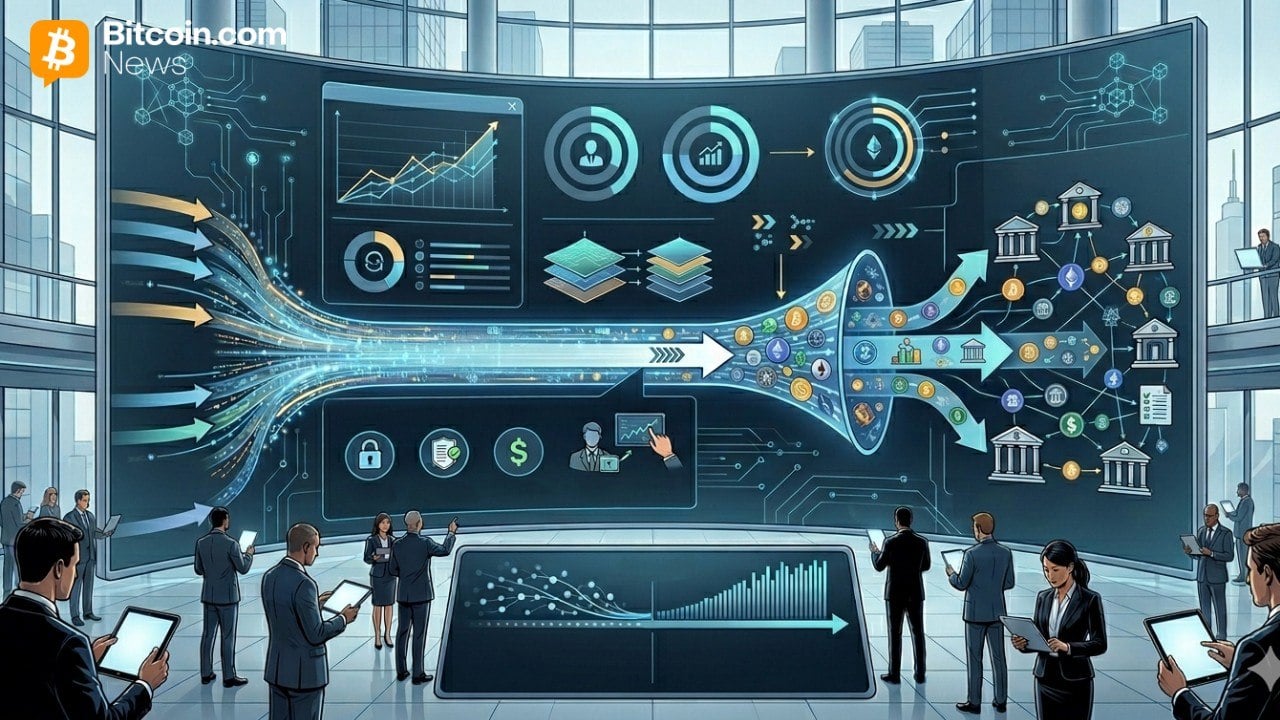
- The outperformance is not a mining story; it’s an artificial intelligence (AI) infrastructure story. The leaders have collectively locked in tens of billions in contracted HPC revenue through long-term hyperscaler deals, effectively revaluing themselves as data center operators.
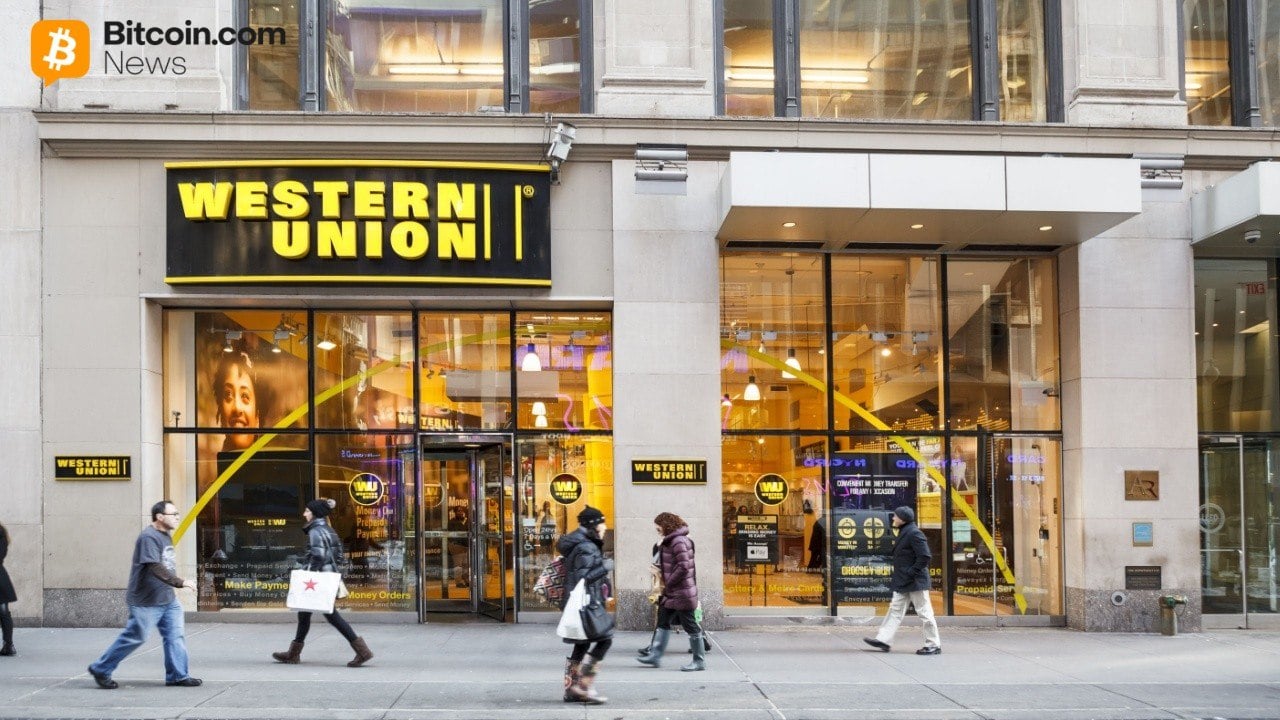
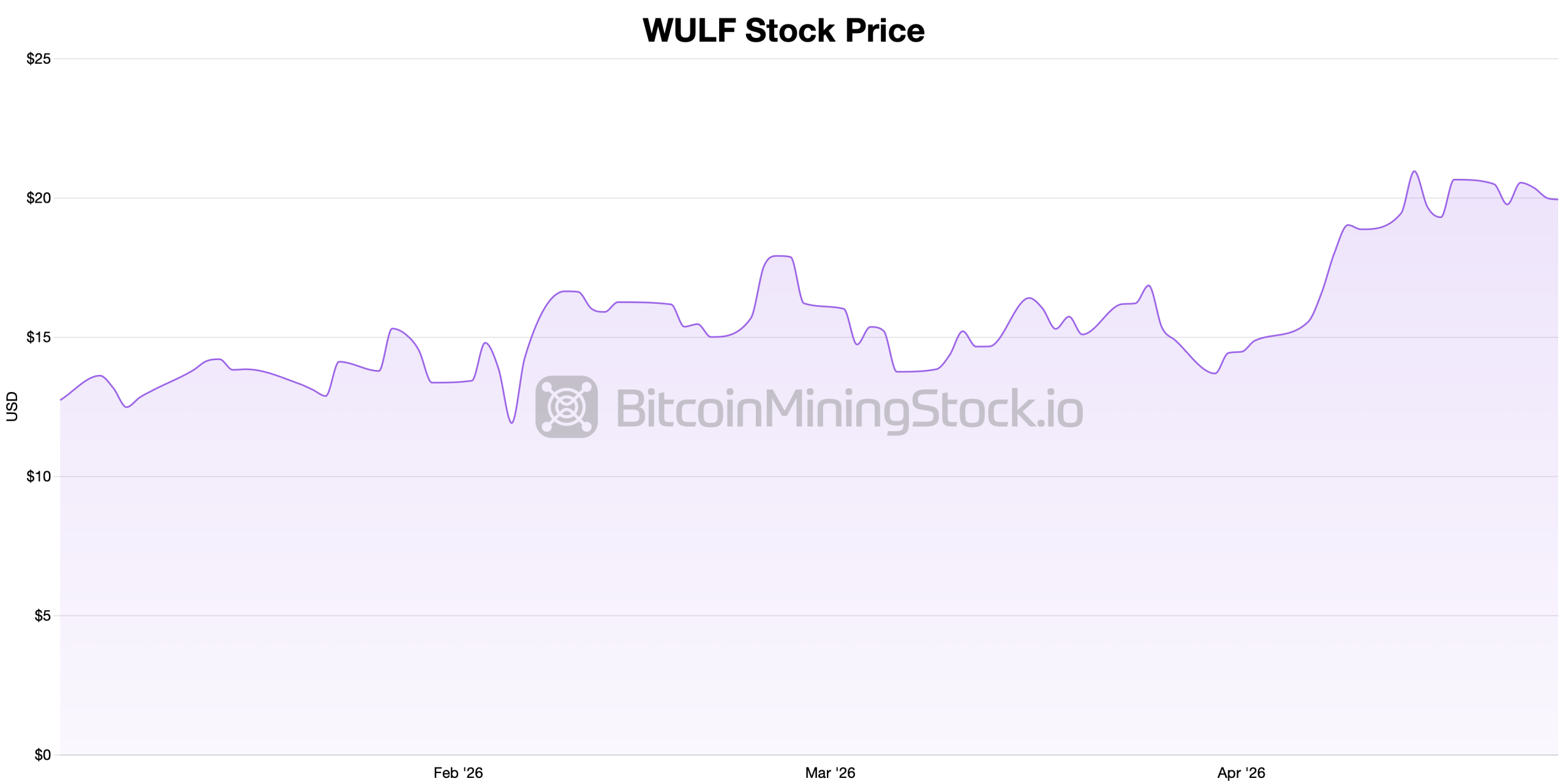
- Terawulf (WULF) leads the top ten public miners with a 73.58% YTD gain after securing over $12.8 billion in contracted HPC revenue, with deals anchored by Google-backed Fluidstack and Core42 across sites totaling over 1 GW of available power.
Anthropic and Google Are Signing Billion-Dollar Leases With Bitcoin Miners
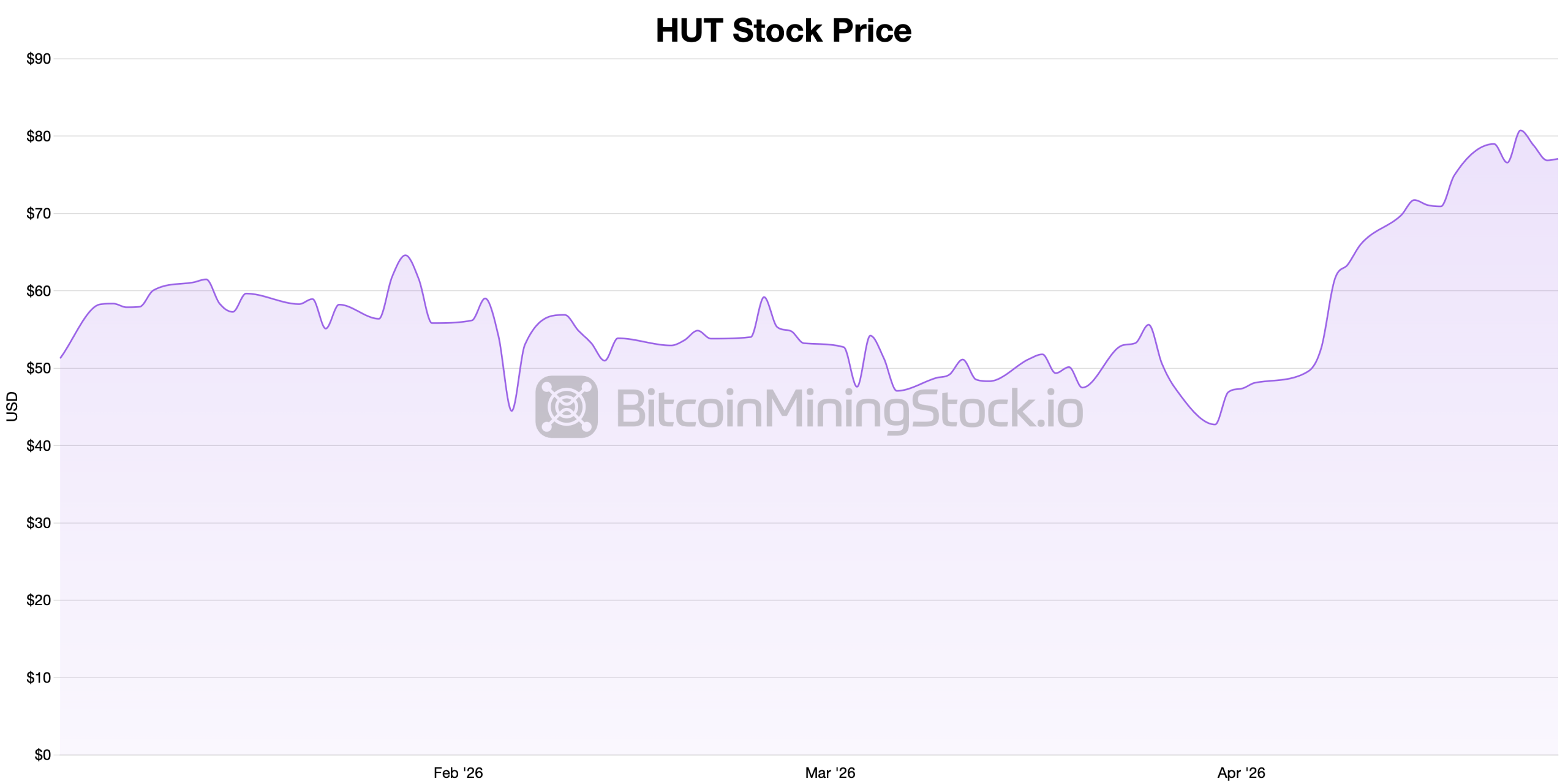
Most of the ten largest publicly traded miners have outpaced the underlying asset by a wide margin. Terawulf (Nasdaq: WULF) leads the group with a 73.58% gain YTD. Hut 8 Corp. (Nasdaq: HUT) follows at 67.75%, trading at $77.06, the highest share price among the top ten listed miners by market valuation.
Riot Platforms (Nasdaq: RIOT) is up 47.04%, and both Applied Digital (Nasdaq: APLD) and Core Scientific (Nasdaq: CORZ) are sitting on gains above 40%. These aren’t modest beats. These are companies posting equity gains four to six times larger than bitcoin’s move, in the opposite direction. The reason is AI.
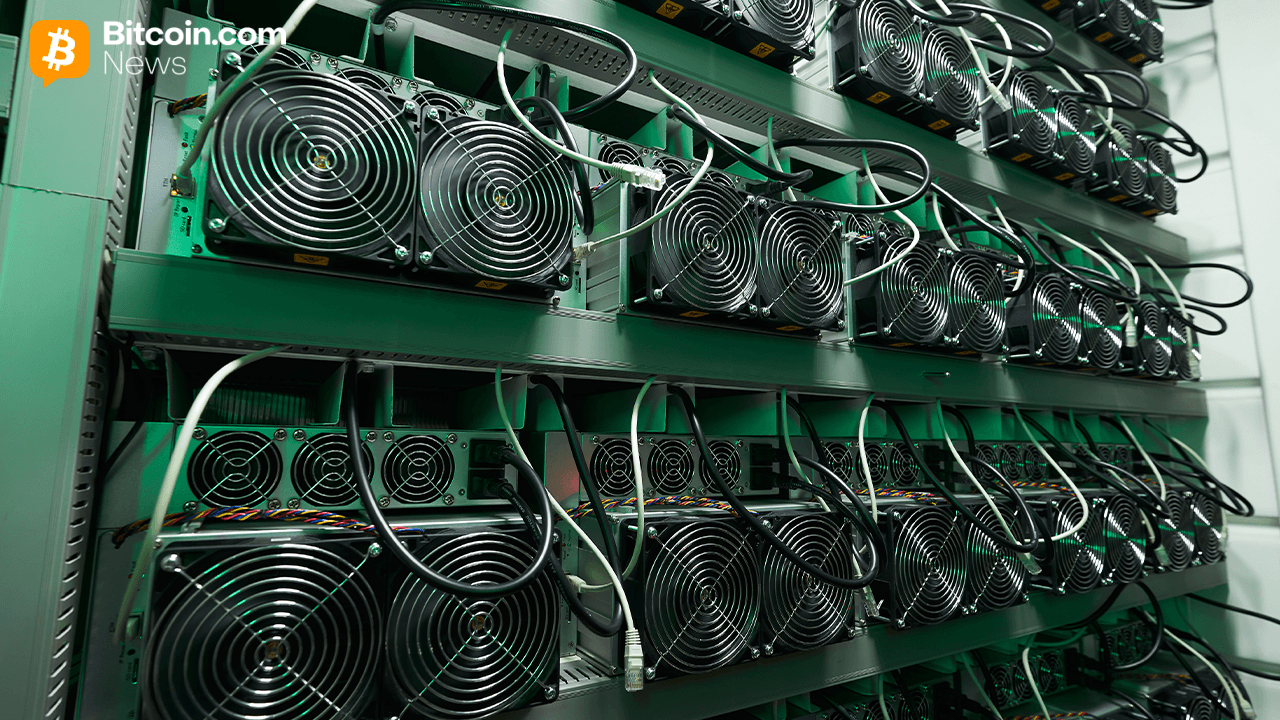
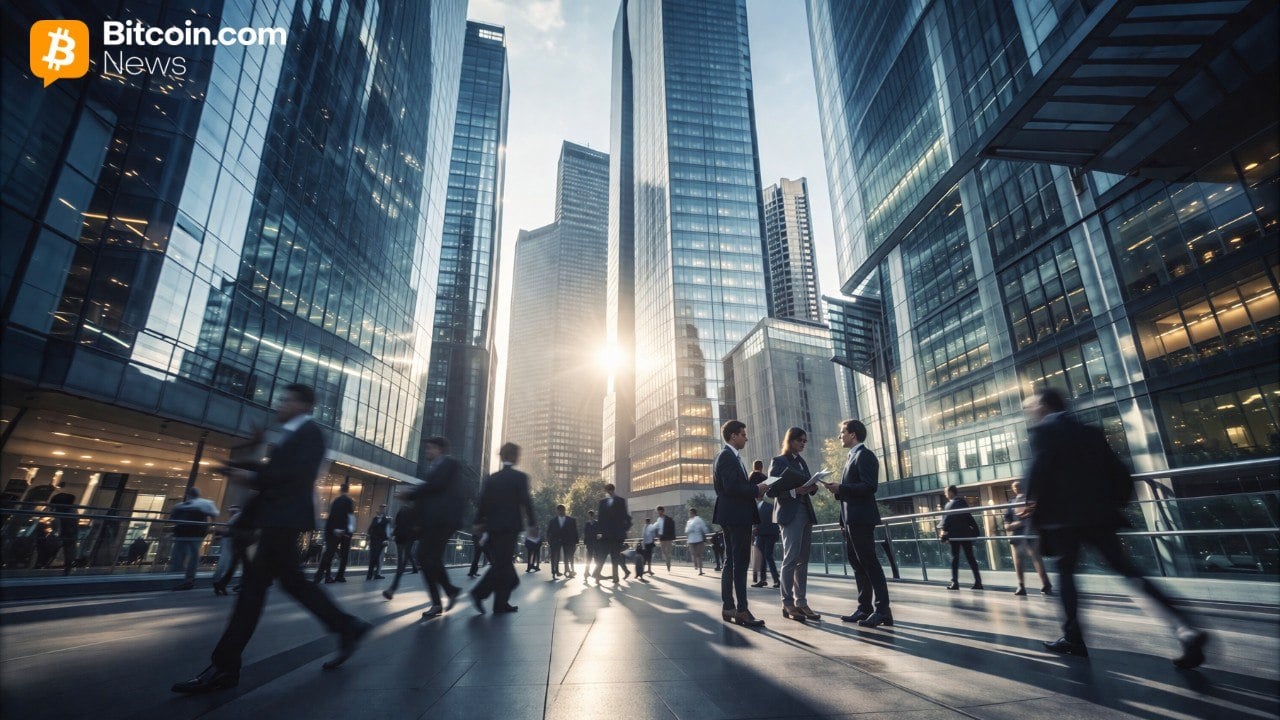
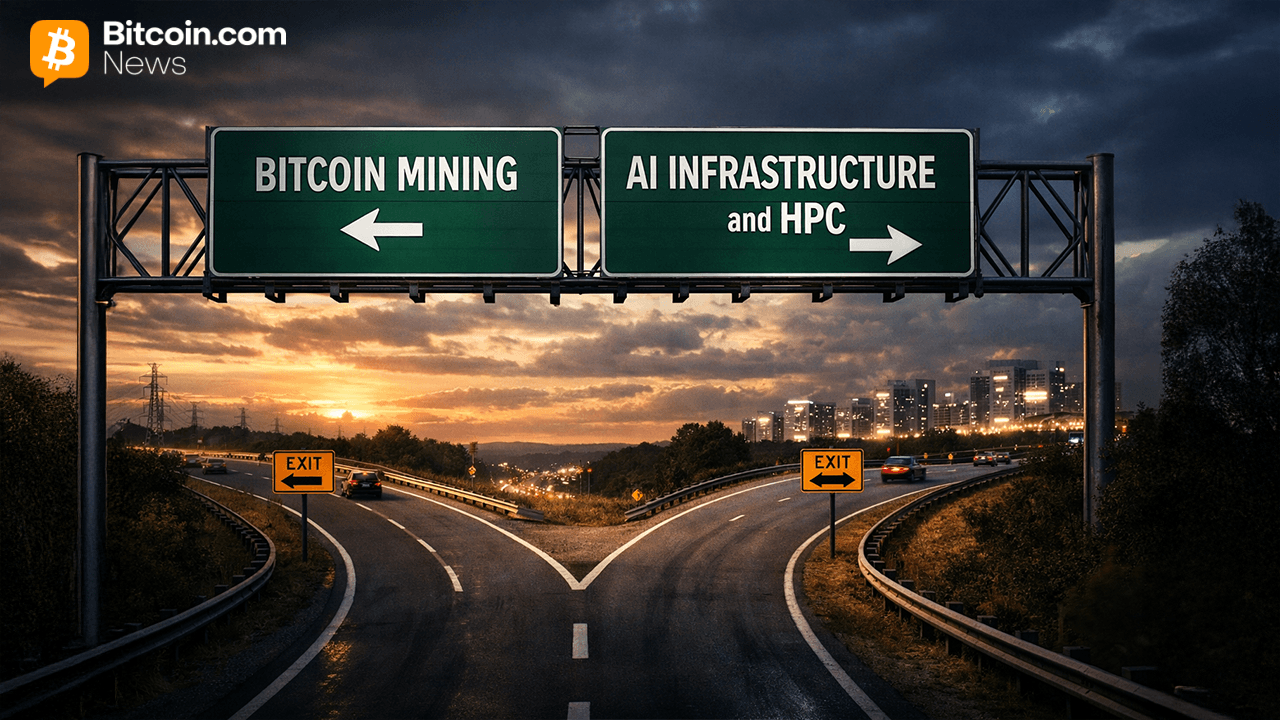
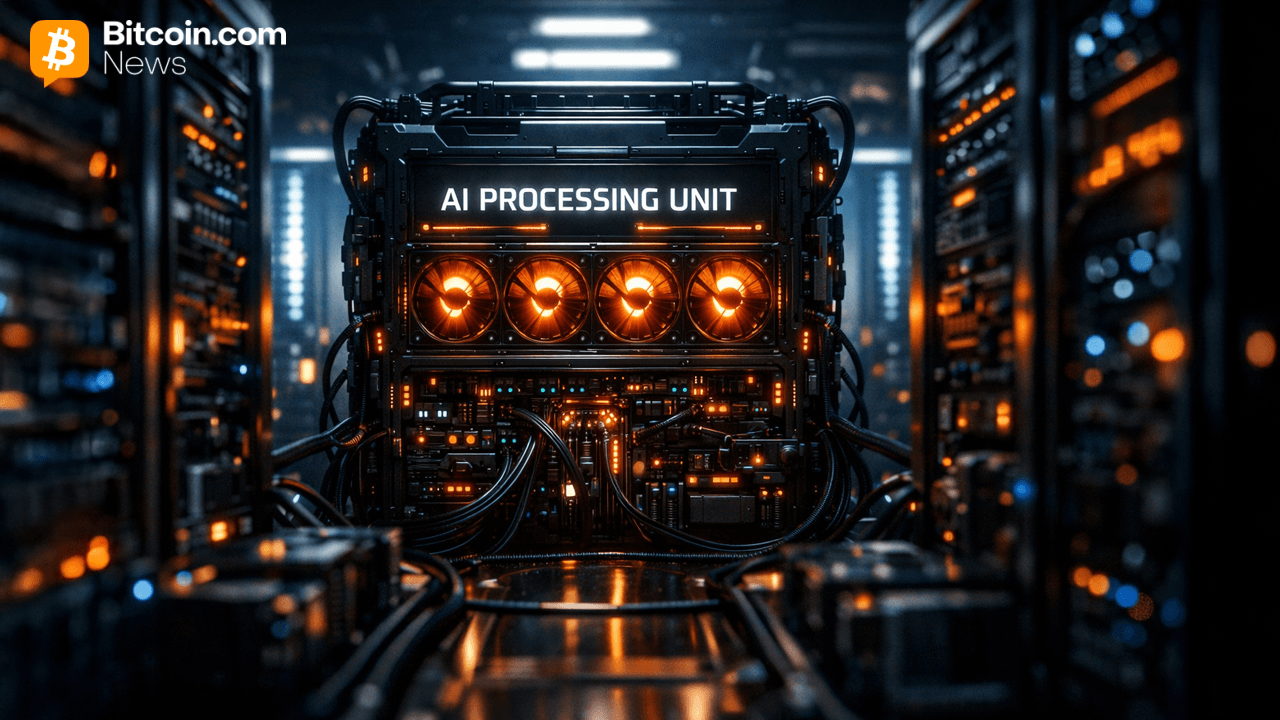
The sector has undergone a fundamental repositioning in early 2026. Miners carry assets that hyperscalers urgently want: access to low-cost power, industrial-scale sites, and grid expertise. Companies that have moved quickly to convert that infrastructure into AI and high-performance computing (HPC) data centers have been rewarded. Those that haven’t are being left behind.
Miners already had the hardest parts figured out when they started mining bitcoin. They’ve spent years solving problems that would take a traditional real estate developer or tech company years to replicate: permitting large power loads, negotiating with utilities, building out substations, managing heat dissipation at scale, and running 24/7 operations with high uptime requirements. Those aren’t small things. Power procurement alone can take years and can halt most data center projects before they start.
Terawulf is the clearest example of the trade working. The company has locked in over $12.8 billion in contracted HPC revenue through long-term leases with Google-backed Fluidstack and Core42, with sites in Hawesville, Kentucky, and Morgantown, Maryland, scaling toward 1 GW of available power. HPC now drives over half of annual revenues. The stock reflects it.
Hut 8 has taken a similar path, anchoring a $7 billion, 15-year lease at its River Bend campus with Anthropic and Fluidstack as counterparties, while building an 8.5 GW development pipeline across due diligence, exclusivity, and active construction stages.
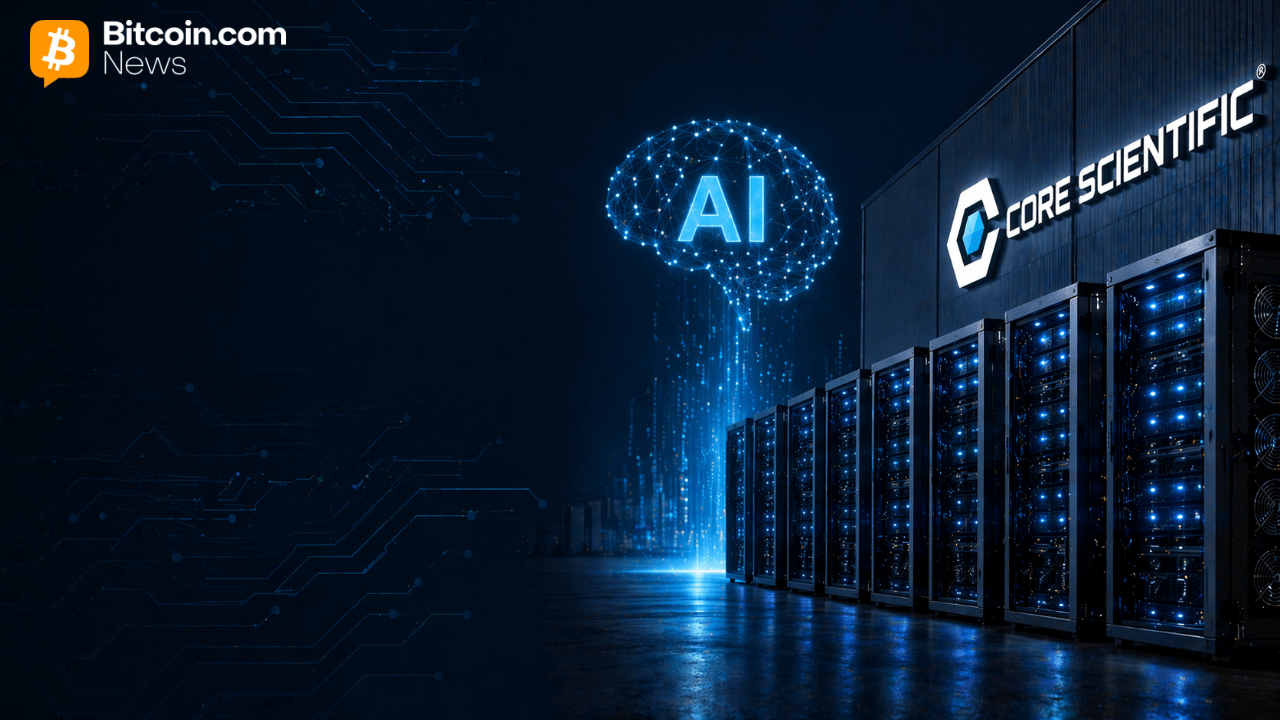
Core Scientific has also seen similar execution. The company has secured roughly $10–12 billion in contracted revenue through Coreweave partnerships spanning 590 MW of critical IT load across six sites, including a $1.2 billion expansion in Denton, Texas. Analysts forecast HPC driving approximately 70% of 2026 revenue.
Applied Digital has signed multiple 15-year leases with Coreweave for 400 MW of critical IT load at its North Dakota campus, generating roughly $11 billion in contracted revenue and running HPC hosting margins above 25%. IREN Limited (IREN), sitting atop the top ten list by market cap at $16.71 billion, has a Microsoft AI cloud partnership valued in the billions and a 4.5 GW power pipeline, with HPC revenue projected to reach 71% of total by year-end.
Cipher Digital (Nasdaq: CIFR), now fully rebranded from Cipher Mining, has exited most of its bitcoin operations entirely, replacing them with a $9.3 billion contracted HPC backlog anchored by a 300 MW AWS deal and a Google-backstopped Fluidstack agreement.
Not every name is at the same stage, and that’s not necessarily a problem. MARA Holdings (MARA) and Riot Platforms (RIOT) are posting YTD returns of 29.56% and 47.04%, respectively. Solid numbers by any standard, even if they sit below the group leaders. Both companies are moving, just on a slightly different timeline.
Riot holds 1.7 GW of power capacity across its Texas sites, including Corsicana and Rockdale, and has begun construction of 112 MW of AI-ready core-and-shell capacity at Corsicana as part of a planned 600 MW buildout. MARA is taking a different approach, building international exposure through its majority stake in Exaion, an EDF subsidiary that brings European AI and HPC cloud expertise into the fold.
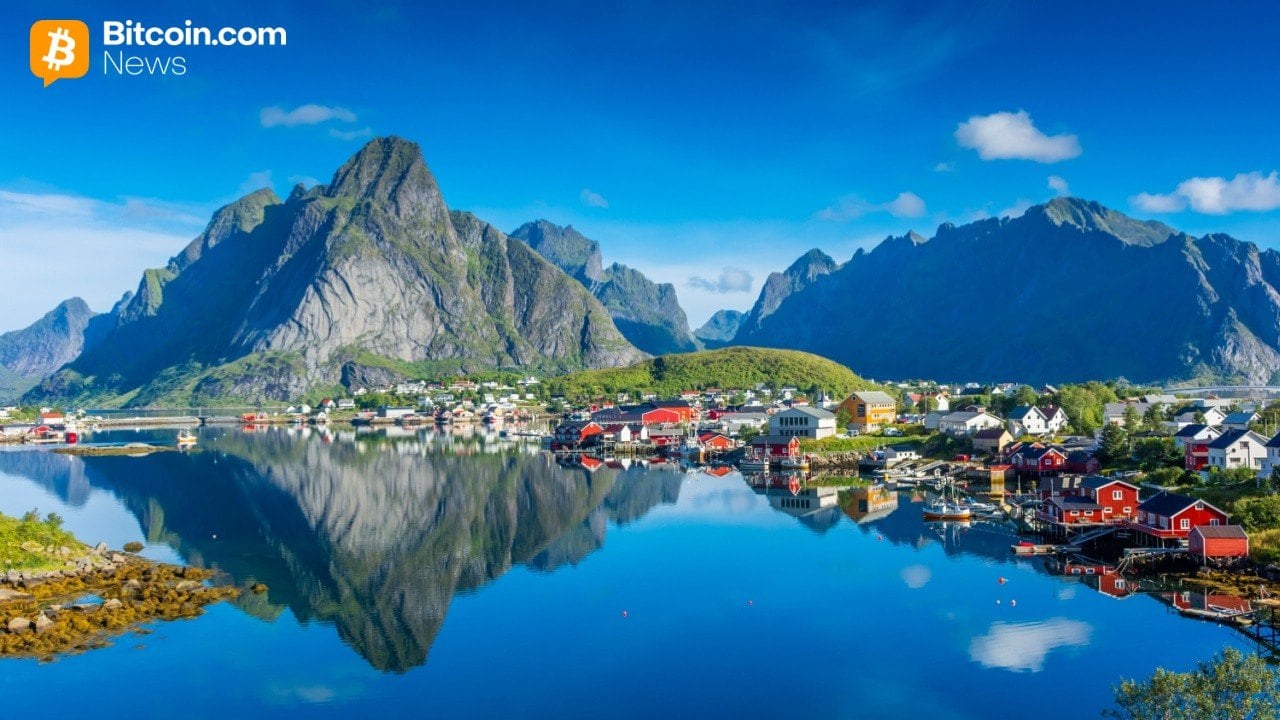
Bitdeer (Nasdaq: BTDR) sits at the bottom of the year-to-date table at just 7.62%, still down 6.40% over the past five trading days. The company is building what it describes as Norway’s largest AI data center. A 180 MW facility in Tydal targeting Nvidia Vera Rubin GPUs, and is converting sites in Ohio and Washington State, but the pipeline hasn’t translated into contracted revenue at the scale investors are rewarding elsewhere.
Cleanspark (Nasdaq: CLSK), up 25.88% YTD, is further along than Bitdeer with over 1.8 GW of power under contract and advanced discussions with hyperscale tenants, but initial AI deployments aren’t targeted until 2026–2027.
The takeaway from January through April is straightforward. The miners winning in 2026 are the ones that closed hyperscaler deals first. Power capacity alone isn’t enough — the market is pricing contracted backlog, delivery timelines, and the quality of counterparties. Terawulf, Hut 8, Core Scientific, Applied Digital, IREN, and Cipher Digital have all demonstrated some version of that. Others are working to catch up. Bitcoin‘s price direction from here will matter, but for the leading names in this group, it’s becoming a secondary consideration.