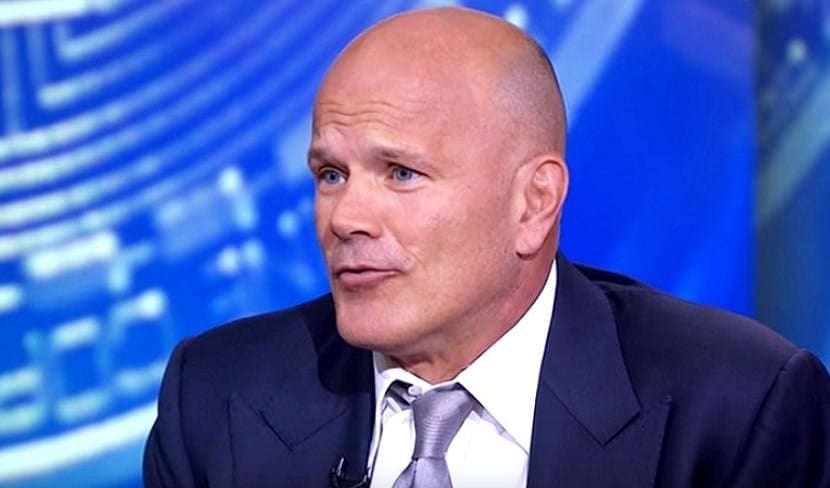

The latest in the MicroStrategy Bitcoin saga has Michael Saylor pausing BTC purchases ahead of its Q1 earnings release, with the CEO confirming “No buys this week” in a Sunday post on X, breaking a pattern of near-continuous accumulation that made the company the world’s largest corporate Bitcoin holder.
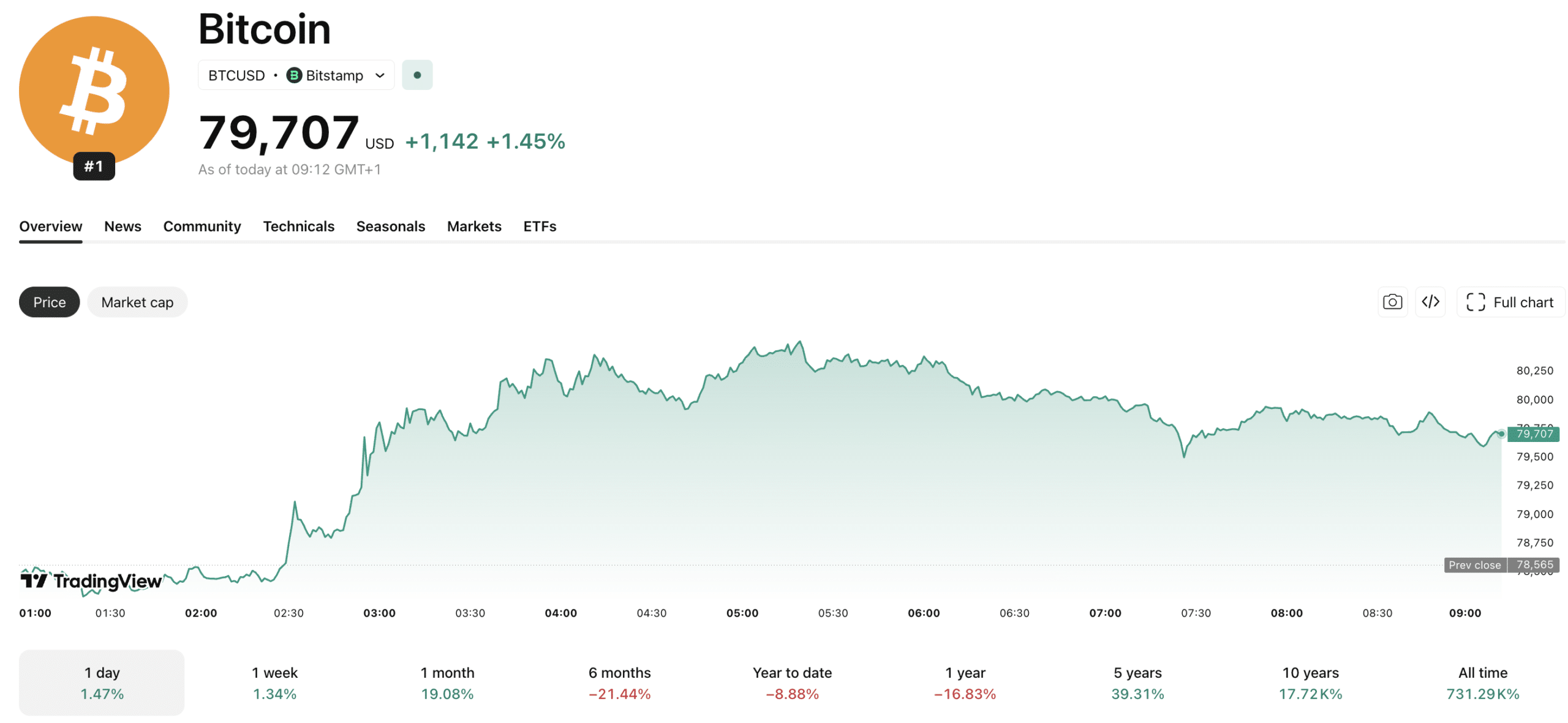
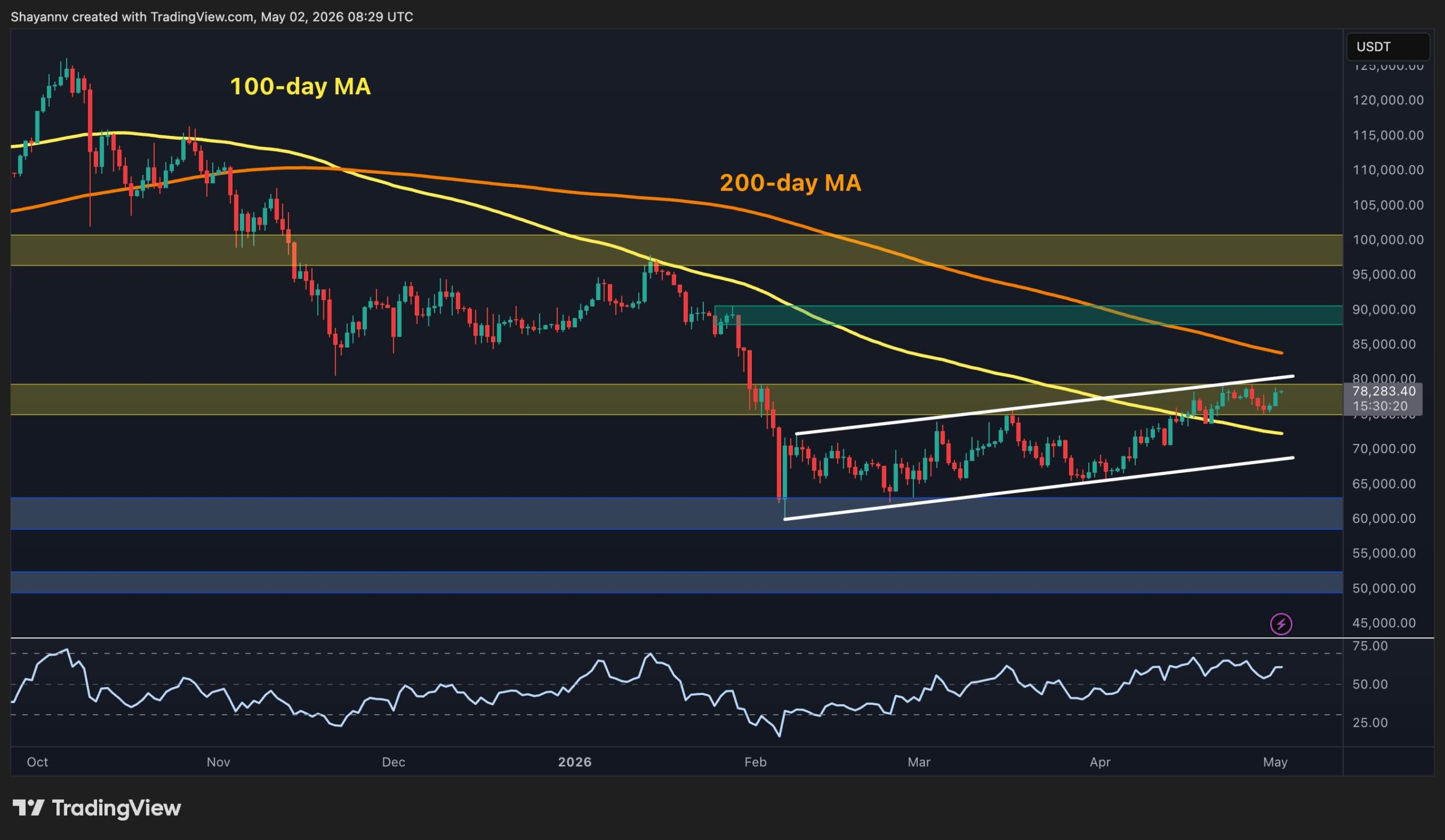
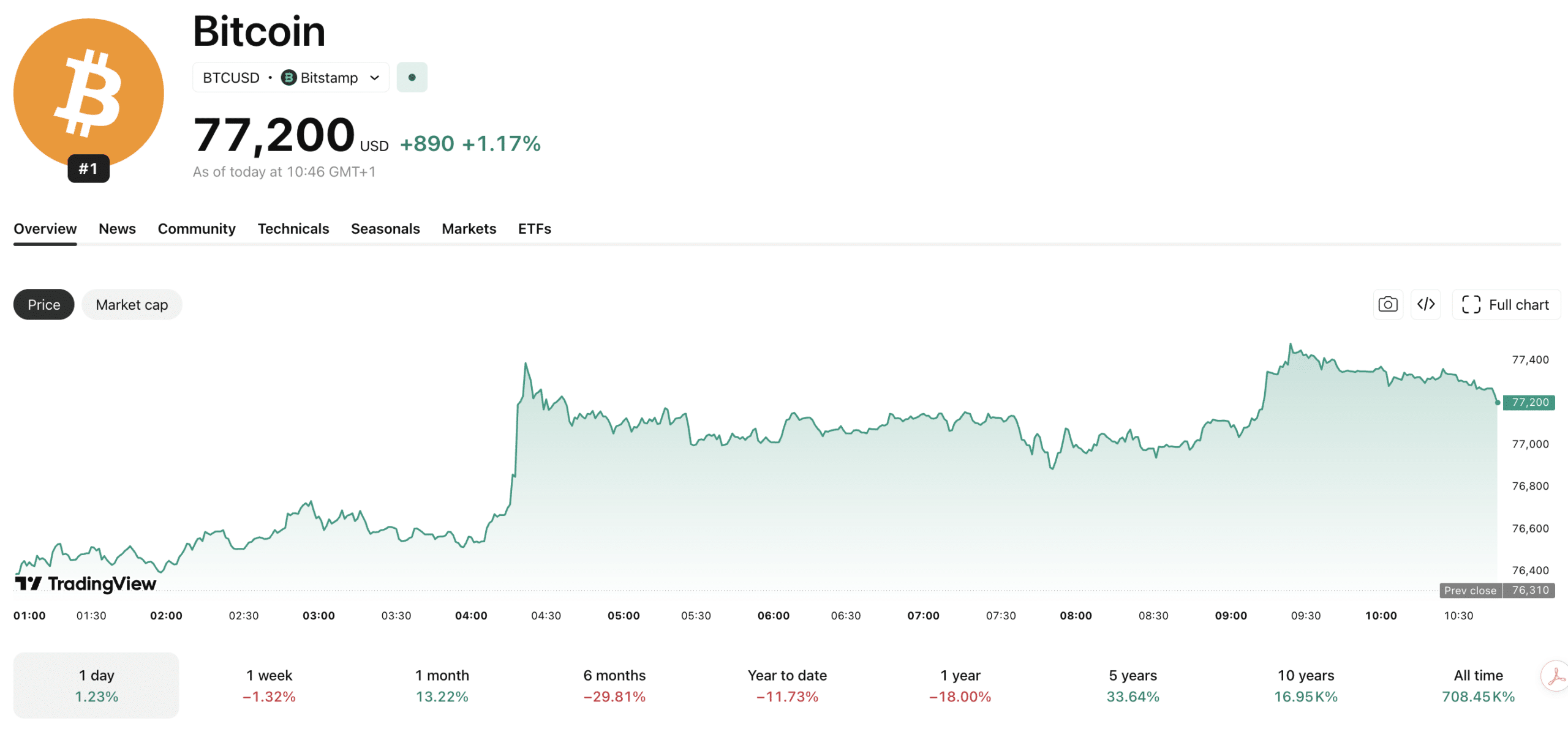
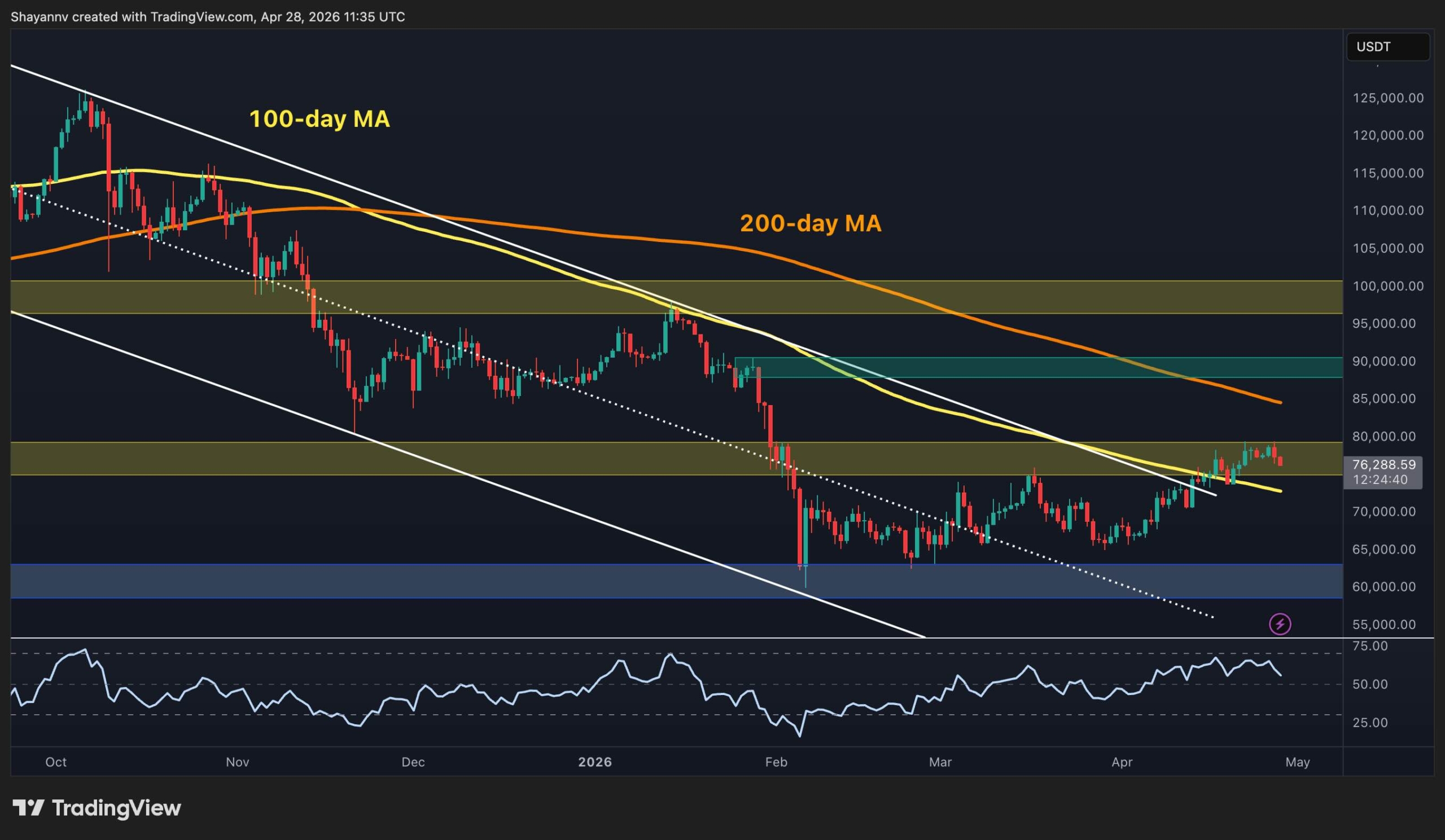
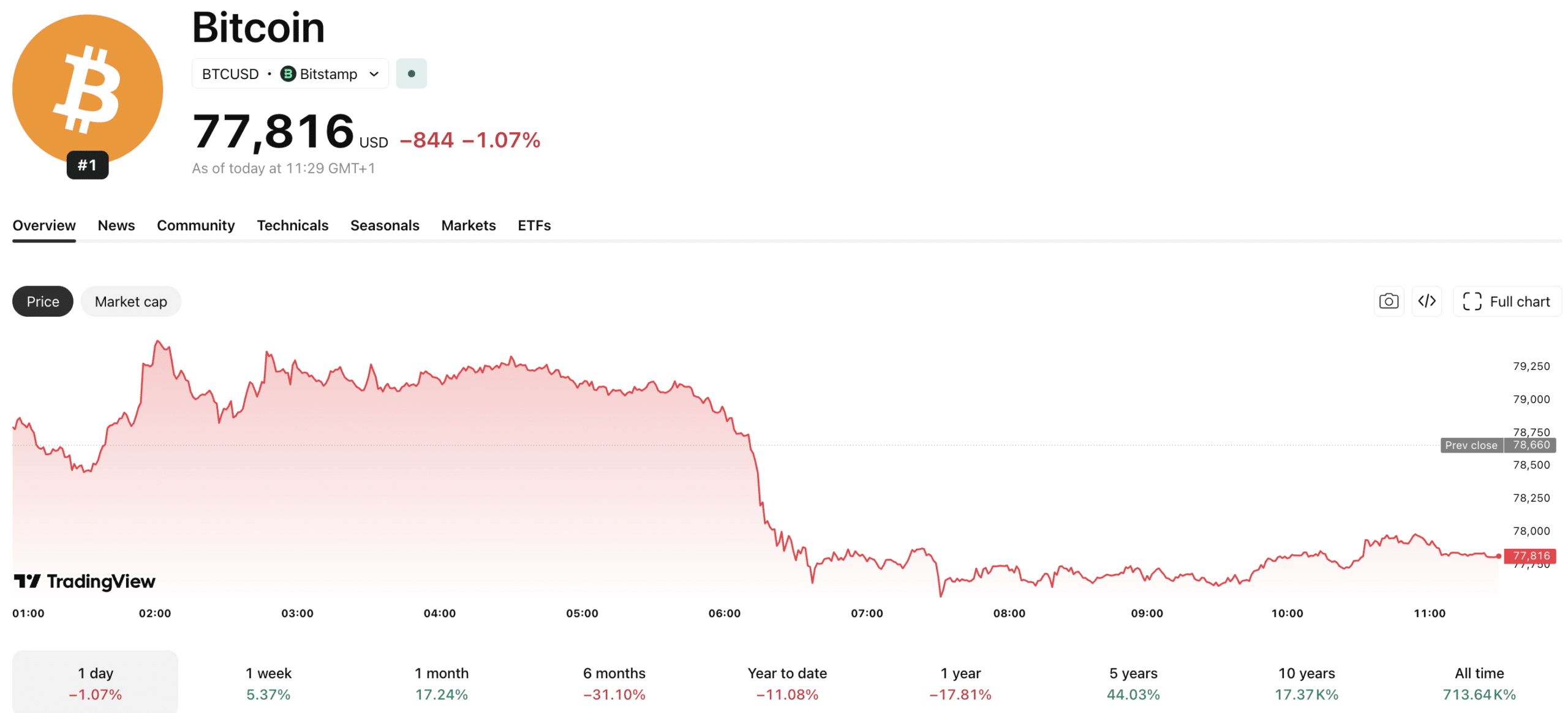
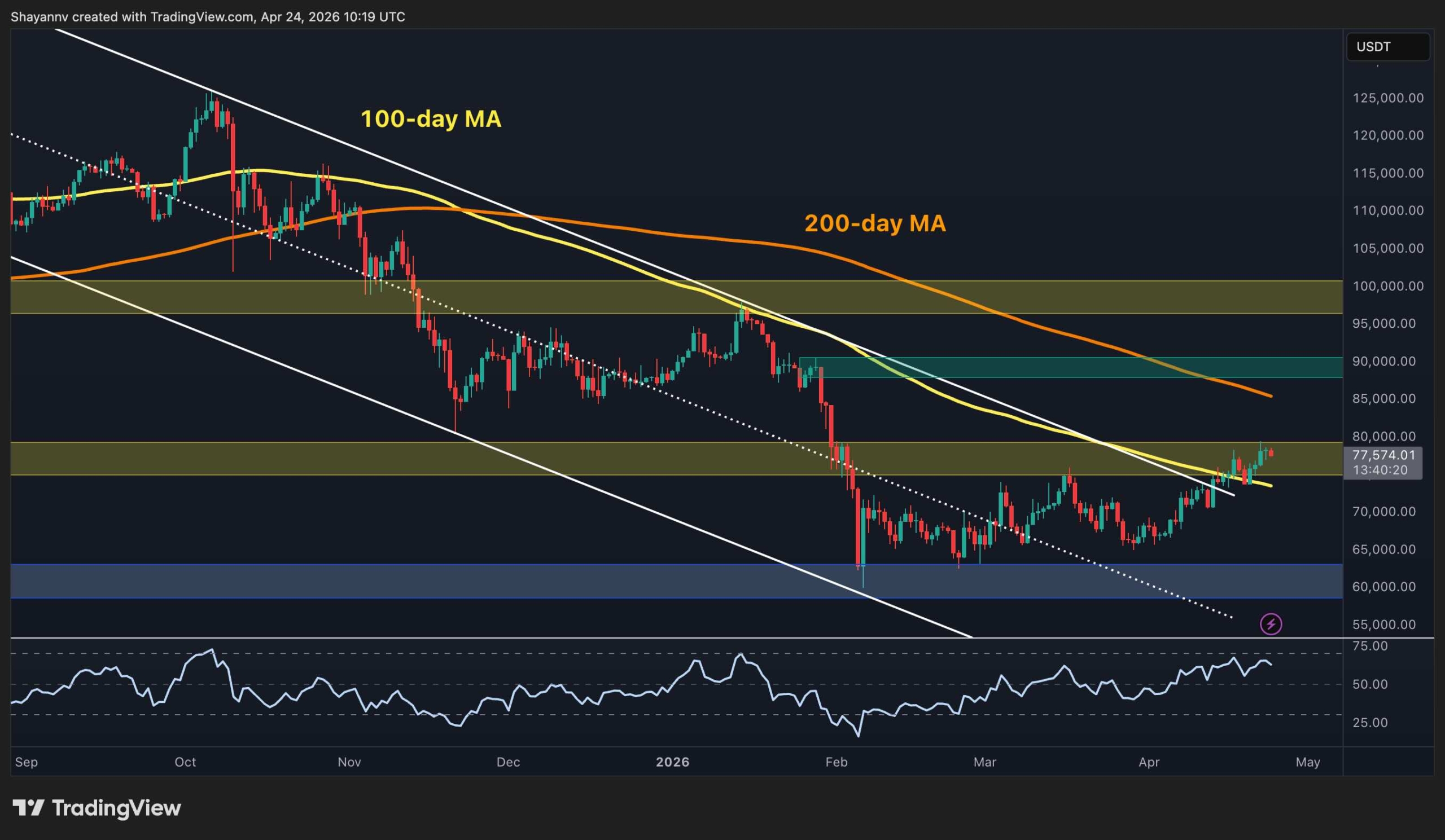
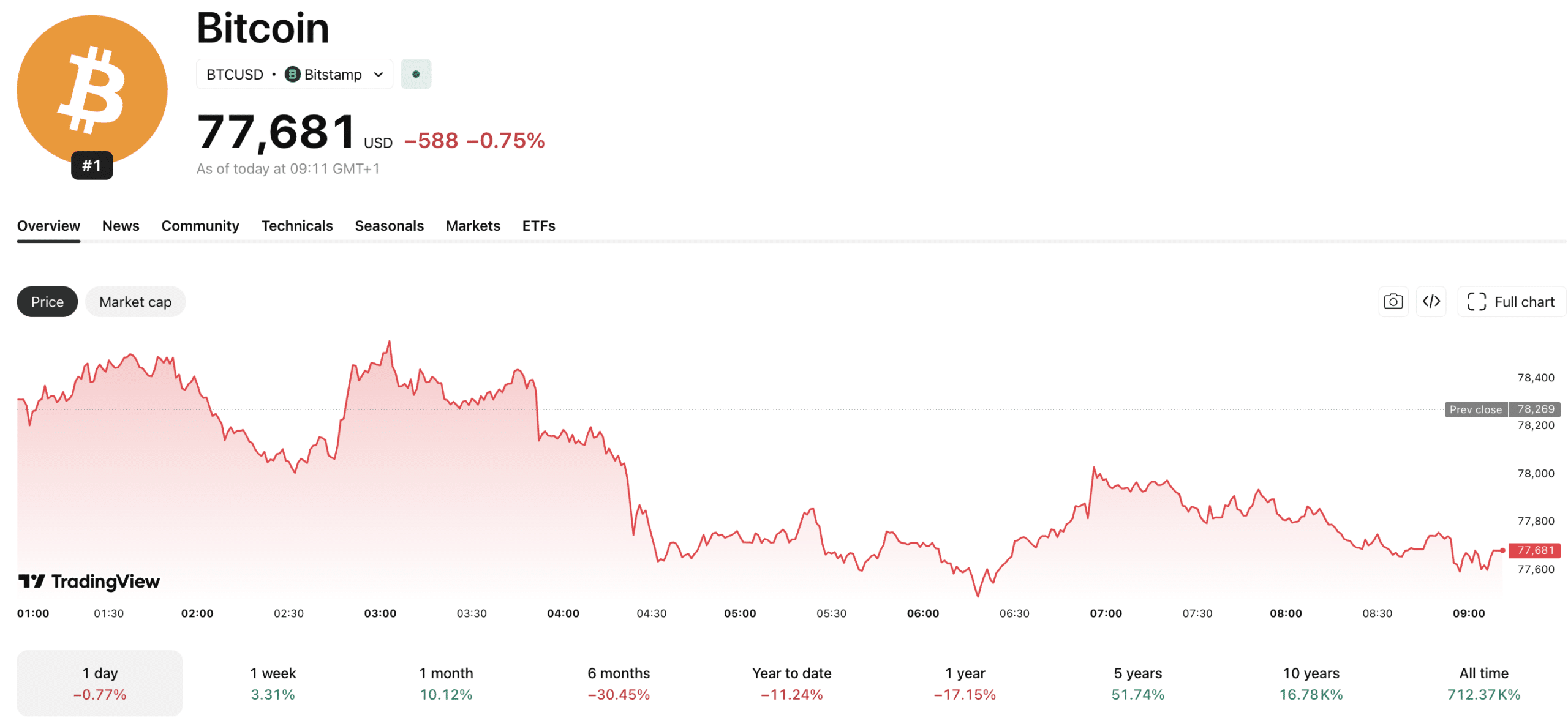
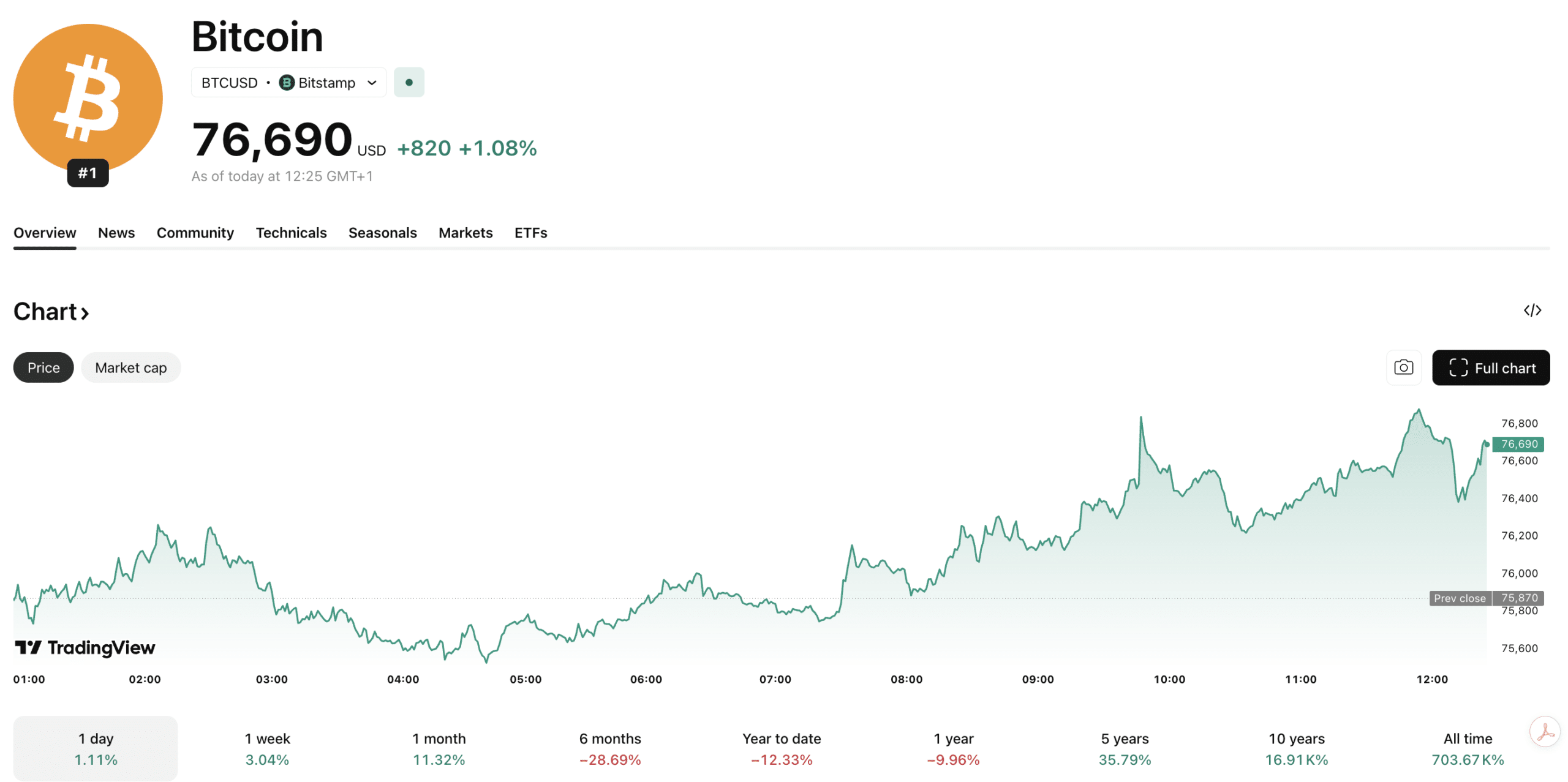
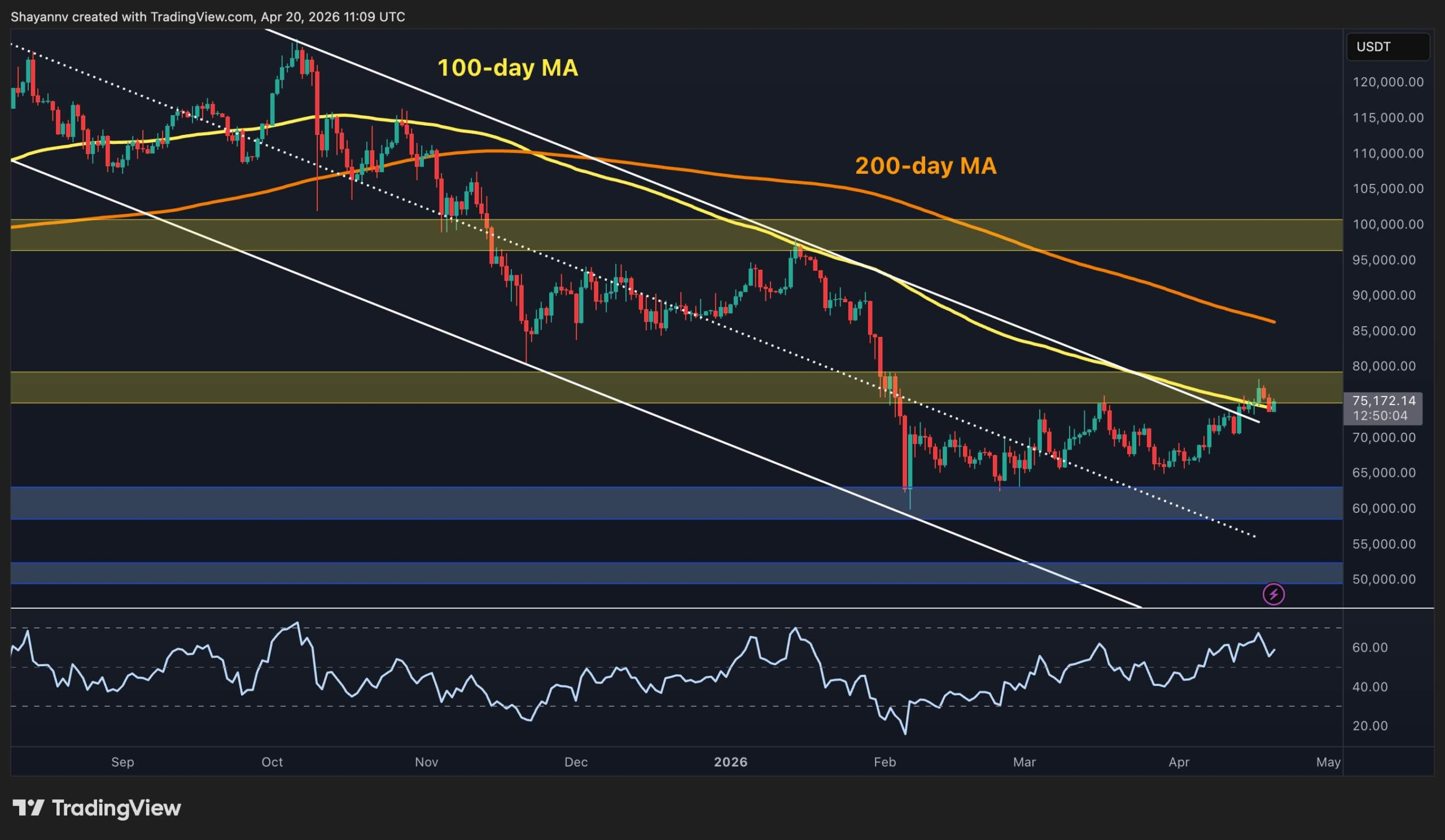
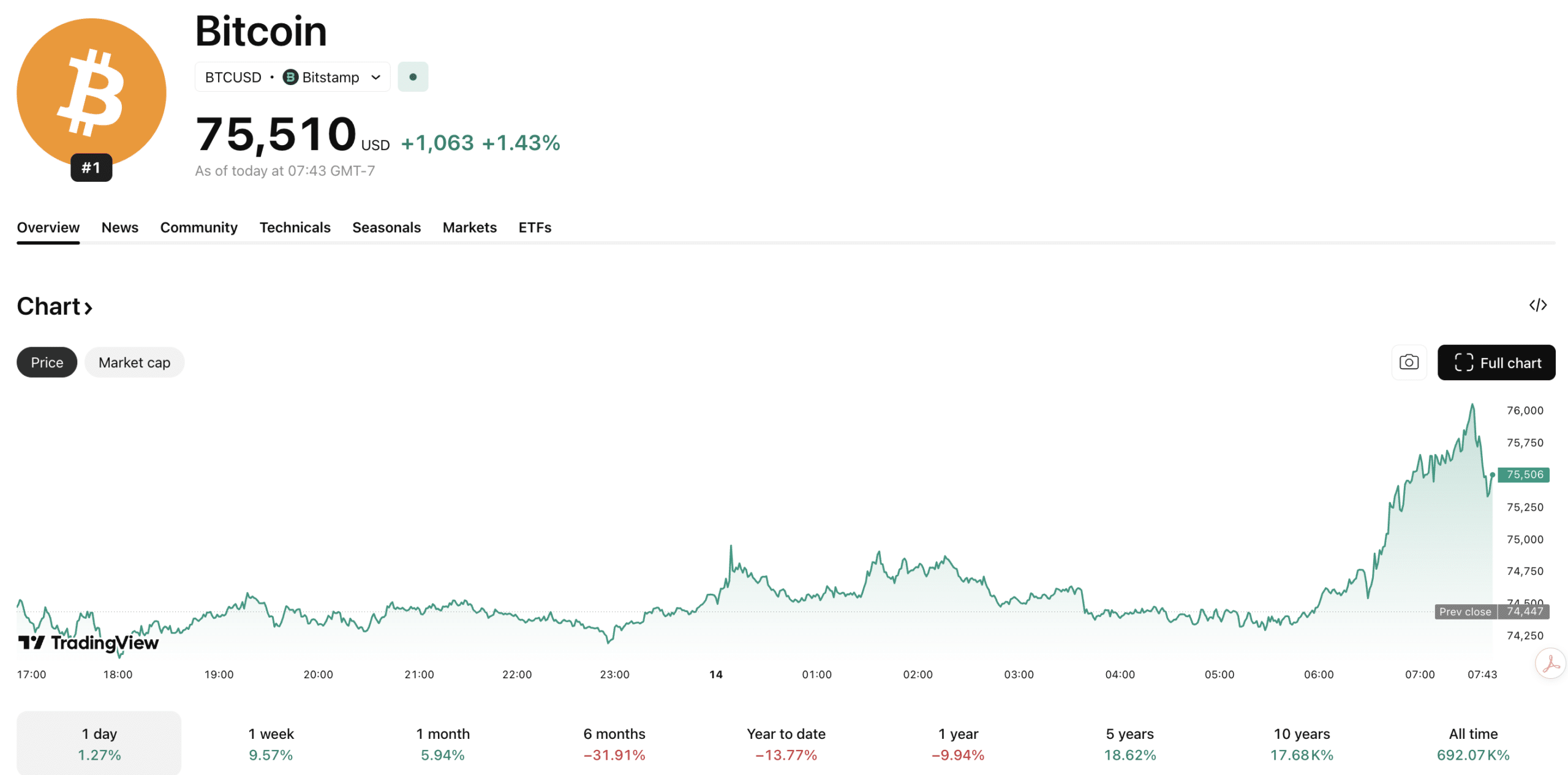
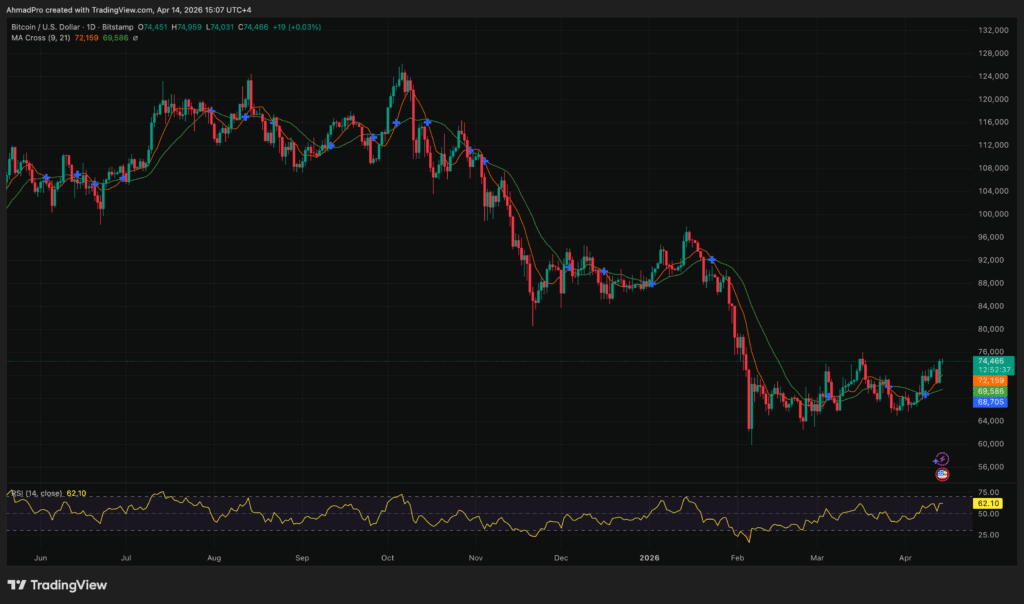
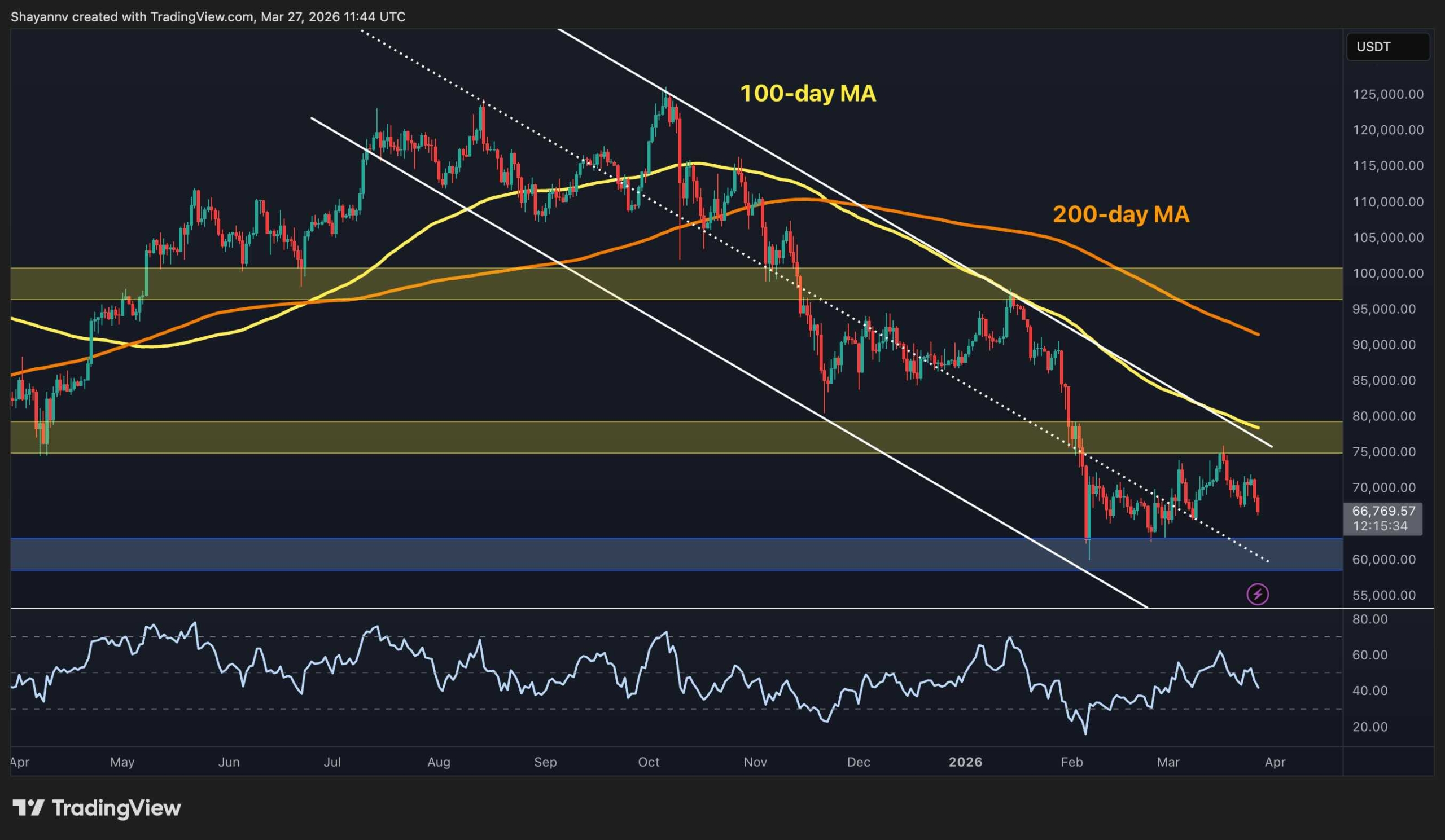
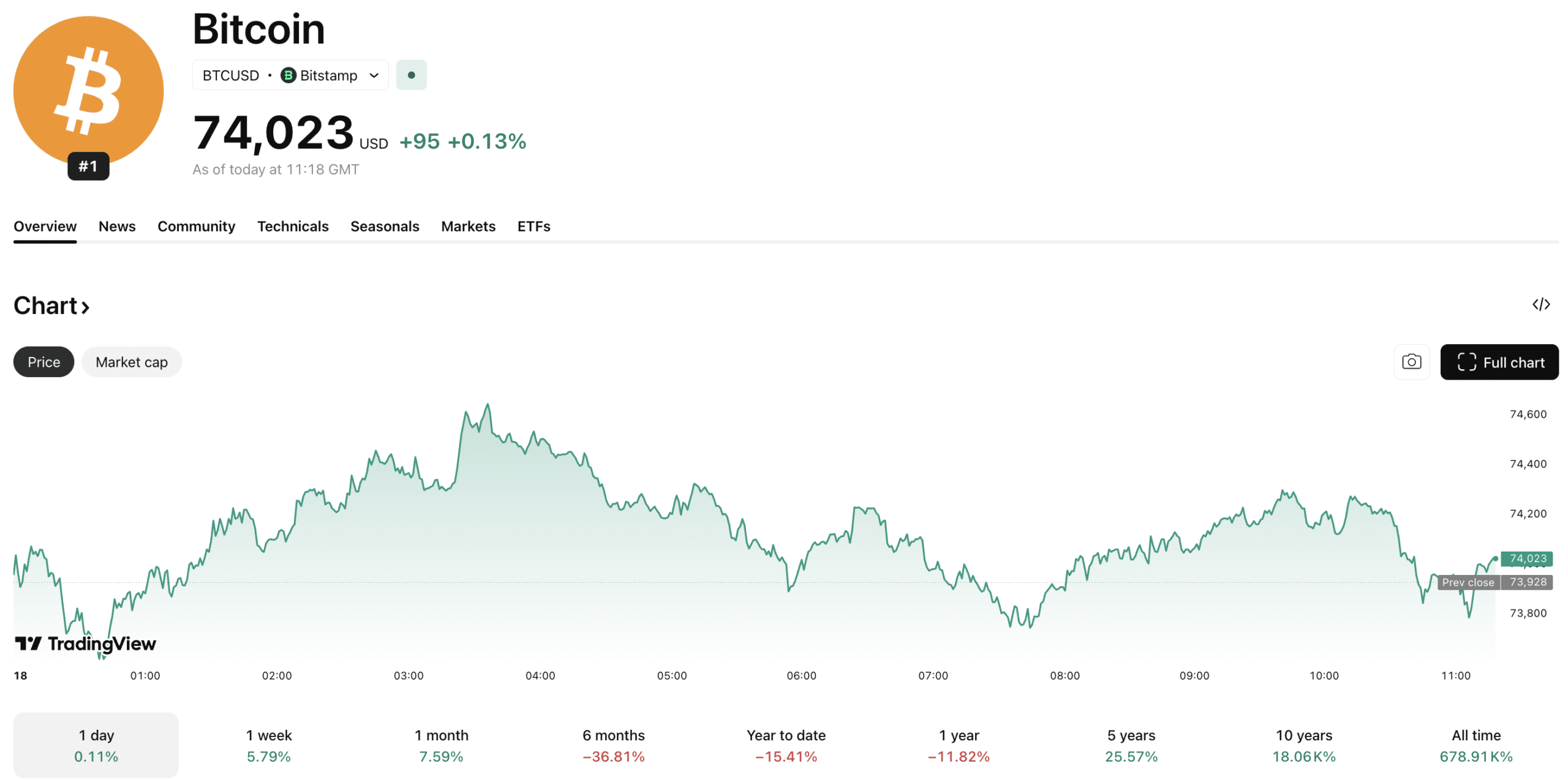
Bitcoin was trading near $78,000 at the time of the pause, leaving Strategy’s 818,334 BTC stash with an unrealized gain of roughly $1.9Bn on a total acquisition cost of $61.81Bn.
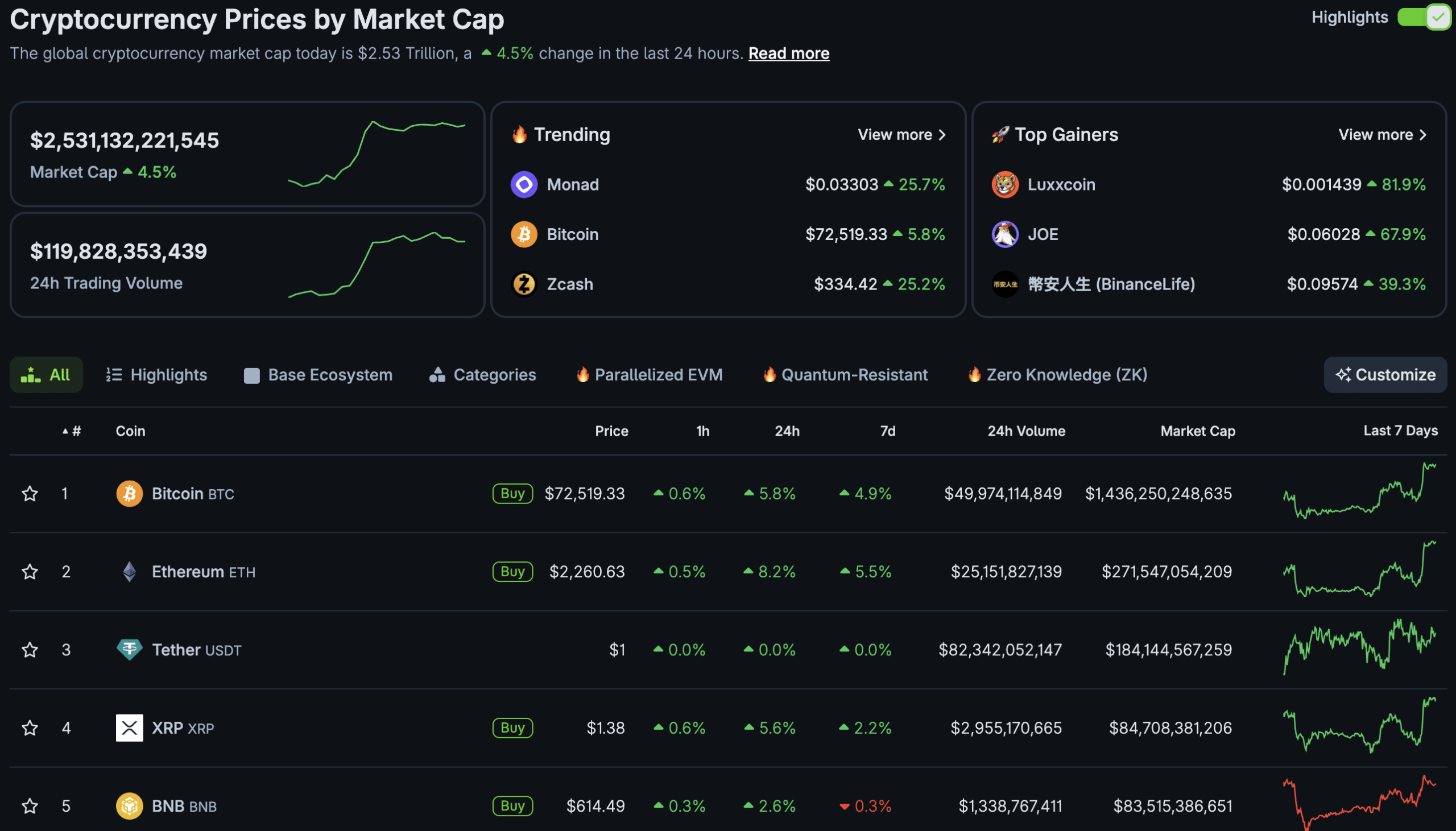
The pause comes amid a bullish weekly open across crypto, with the total market cap up +1.7% in the past 24 hours, sitting at $2.73 trillion and a 24-hour trading volume of $88.6Bn.
MICRO STRATEGY PAUSES BITCOIN BUYS AHEAD OF MAY 5 Q1 EARNINGS.
MICHAEL SAYLOR INDICATED THAT STRATEGY WILL MAKE NO BITCOIN (BTC) PURCHASES THIS WEEK.
THE BREAK COMES TWO DAYS BEFORE THE FIRM REPORTS FIRST-QUARTER (Q1) 2026 EARNINGS ON MAY 5.
THE PAUSE LANDS DURING… pic.twitter.com/1pq9tnu75u
— ORYX WEB3 | CRYPTO (@ox_Oryx) May 3, 2026
Strategy’s Bitcoin Machine and What STRC Actually Is
To understand why this pause matters, you need to understand how Strategy’s Bitcoin accumulation engine actually works. The company doesn’t just buy Bitcoin with cash from operations.
It raises capital by selling shares of MSTR, its Nasdaq-listed Class A stock, and by issuing financial instruments like STRC, its perpetual preferred security.
Think of STRC like a corporate IOU with a fixed coupon: investors hand Strategy capital and, in return, receive an 11.5% annual dividend yield. Strategy takes that capital and buys more Bitcoin.
The model only holds together if Bitcoin appreciates faster than that 11.5% hurdle, the company is paying out more than its underlying asset is earning.
The April 20–26 purchase of 3,273 BTC for $255M was funded by the sale of 1,451,601 MSTR Class A shares, as disclosed in a filing directly with the SEC via Form 8-K.
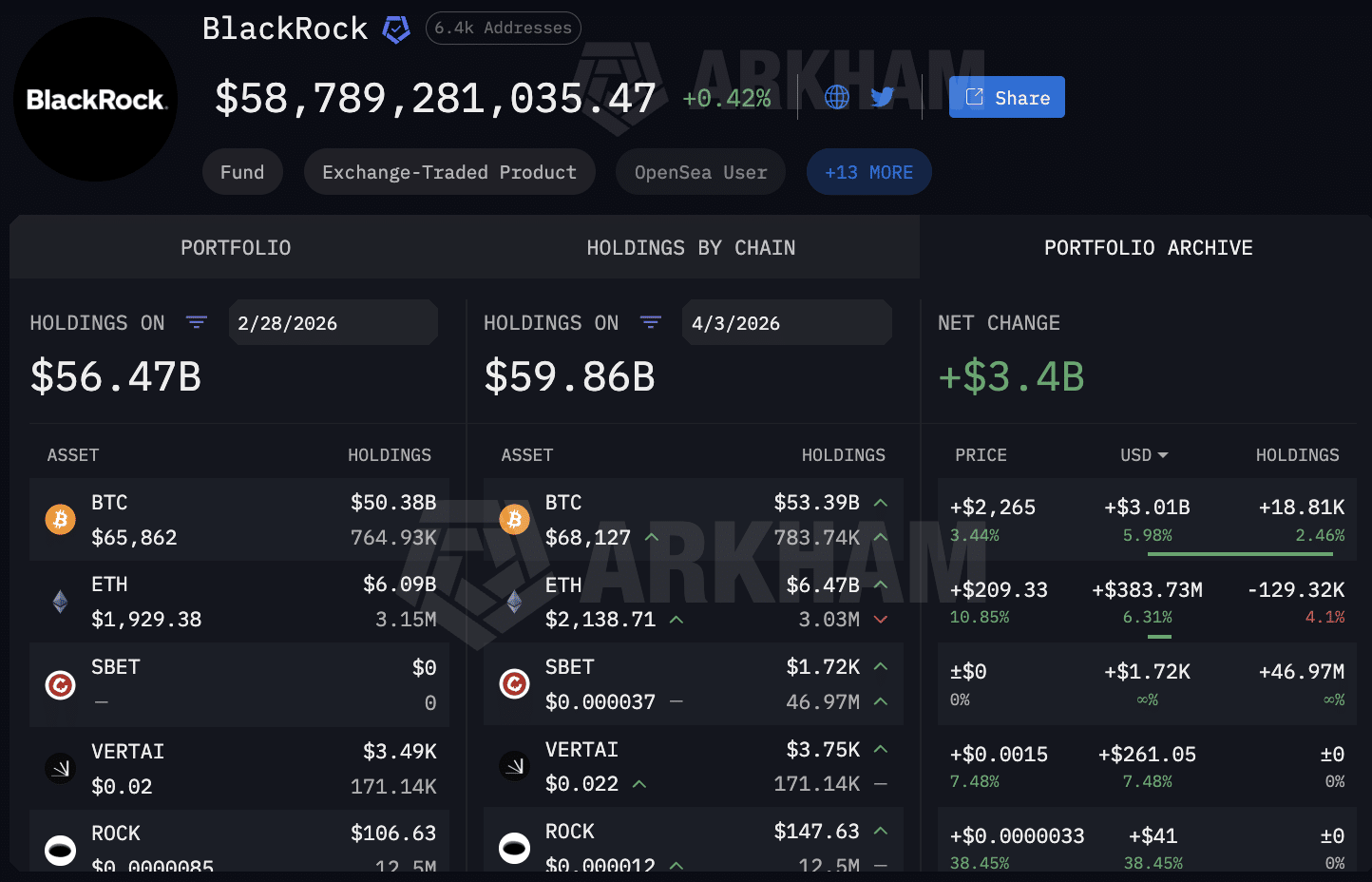
That single week of buying averaged $77,906 per coin. Across all of April, four acquisitions totaled well over $3Bn, and Strategy’s aggressive accumulation had already pushed its holdings above BlackRock’s in the weeks prior.
Can Bitcoin Hold $78K While the MicroStrategy-led Institutional Bid Goes Quiet?
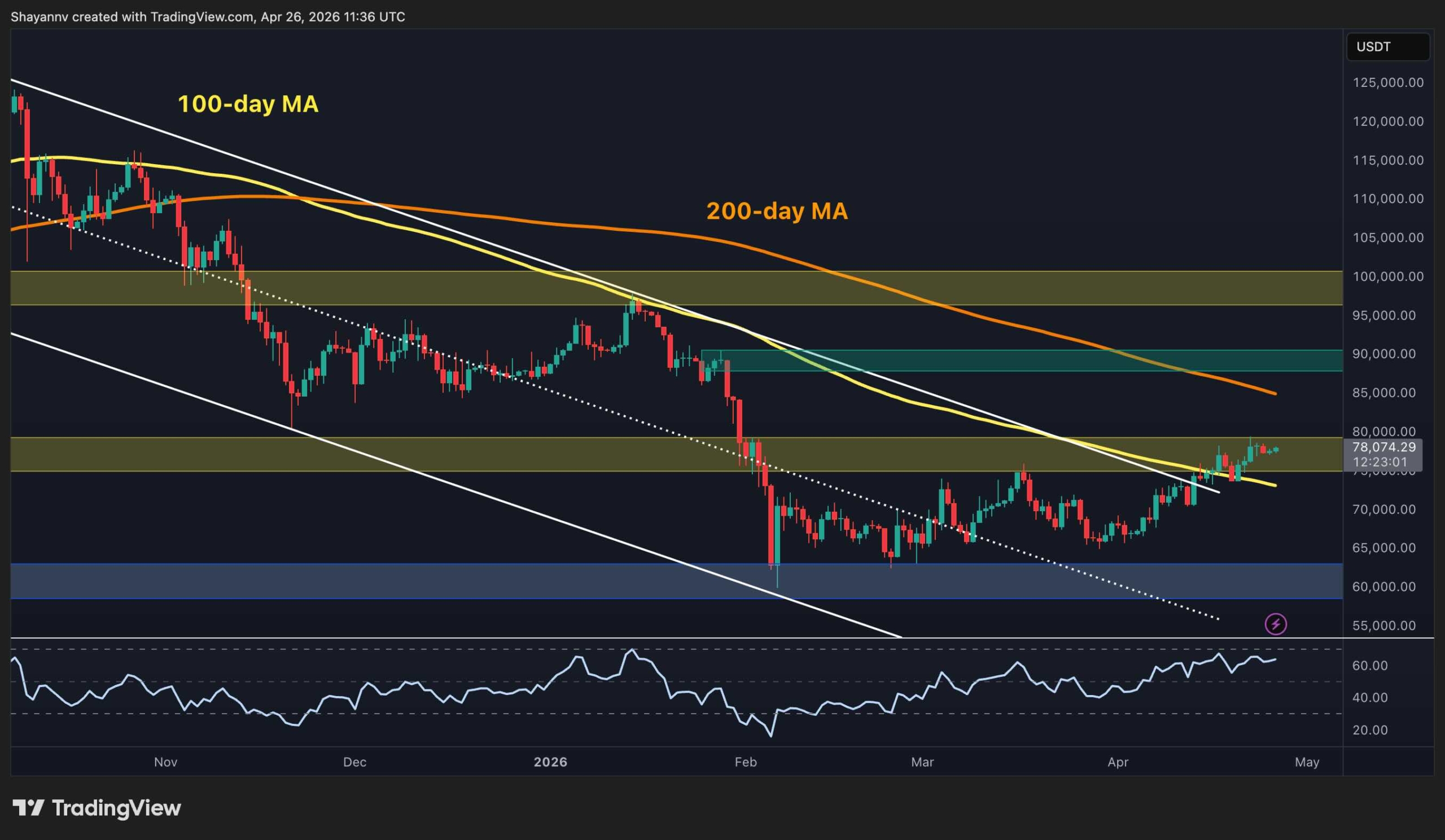
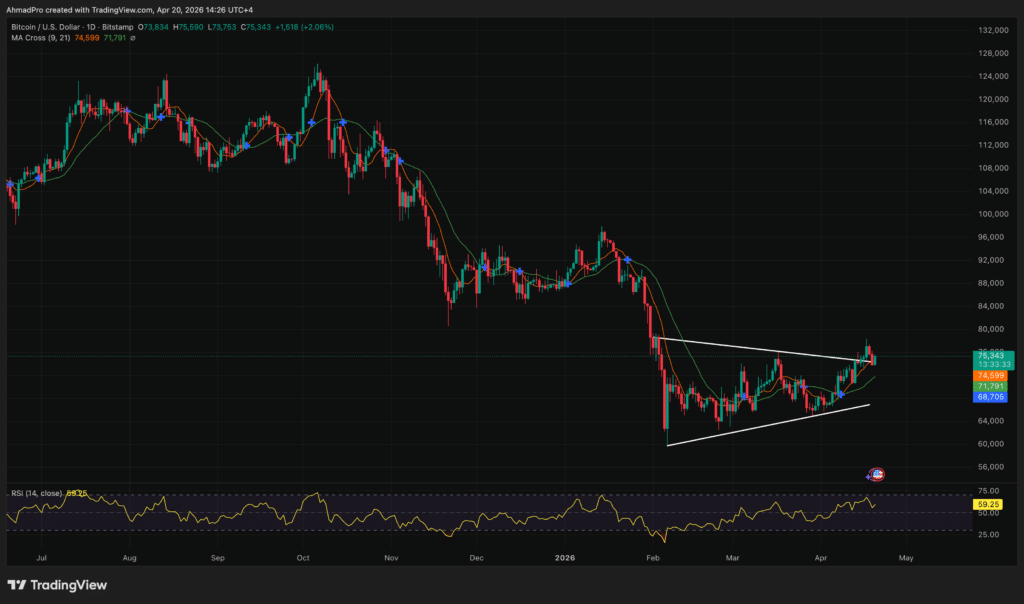
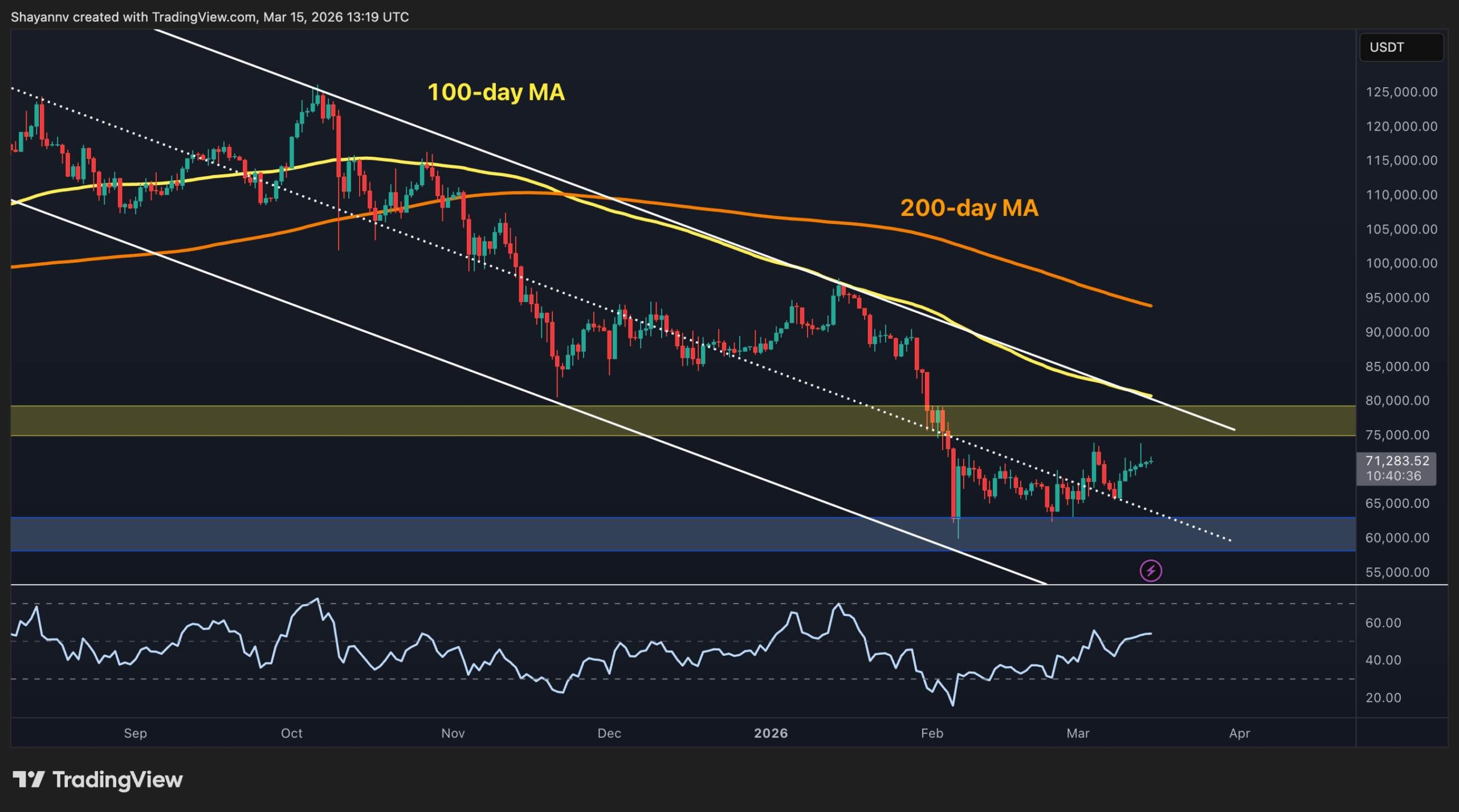
Bitcoin held near $78,000 as the pause was announced, itself a meaningful level sitting just above Strategy’s portfolio-wide average acquisition price of $75,537 per coin. That average functions as a soft psychological floor: if BTC drops below it, Strategy’s entire position flips to an unrealized loss, which would amplify the narrative around the Q1 earnings report.
Wall Street already expects a loss of $18.98 per share for Q1, up from a $16.49 loss a year earlier, driven largely by mark-to-market accounting adjustments on Bitcoin holdings. These aren’t cash losses, they’re accounting artifacts of holding a volatile asset – but they feed the bearish case in headlines.
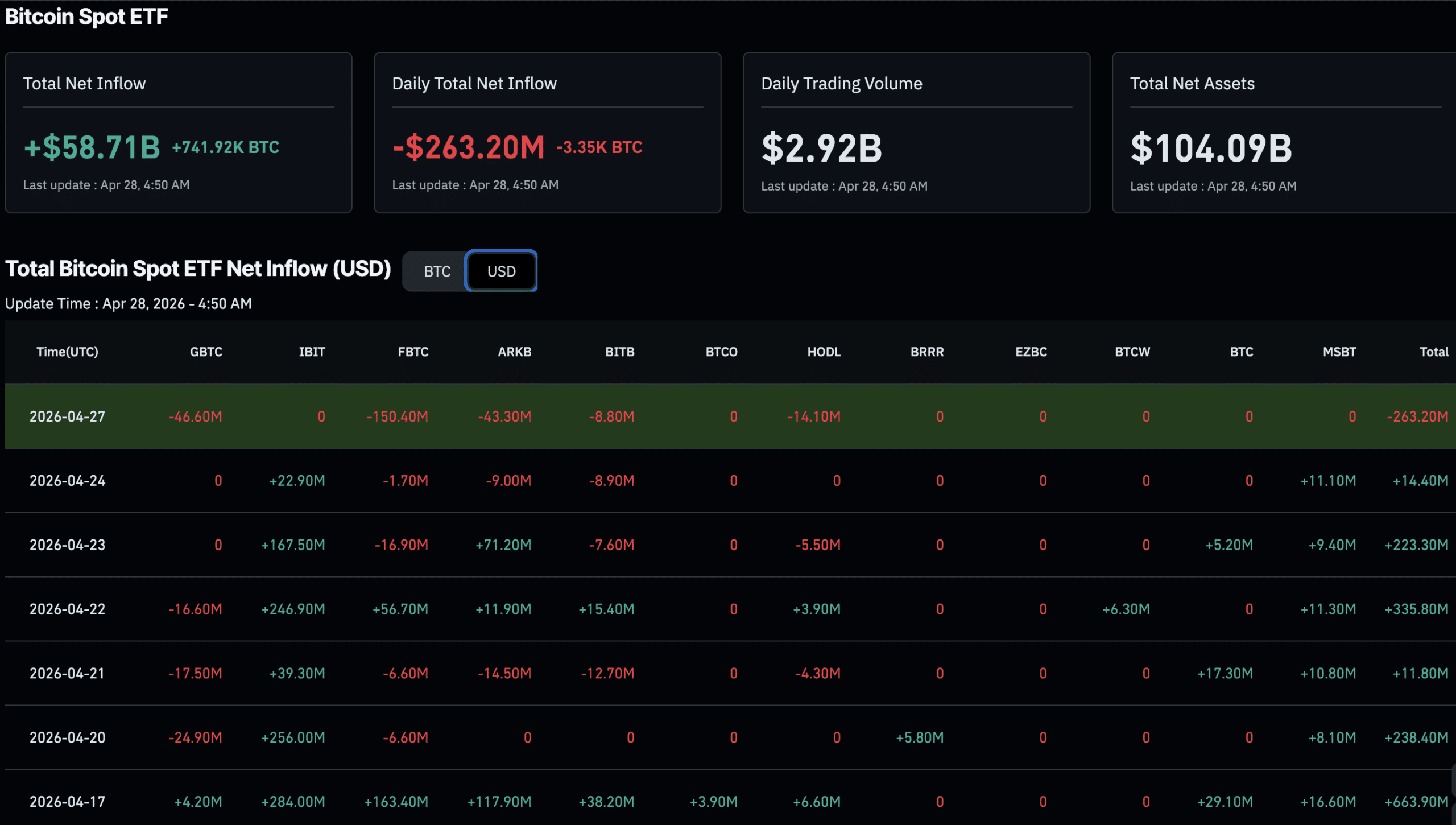
On the demand side, the absence of Strategy’s bid removes a consistent buyer that was deploying hundreds of millions of dollars per week. The company added more than 34,000 BTC for $2.54Bn in a single week in March, that’s the kind of structural demand pressure that leaves a visible gap when it disappears. Whether ETF inflows or spot buyers can absorb that gap is the key variable to watch in the days leading up to the May 5 earnings call.
EXCLUSIVE: 99Bitcoin’s Readers – Earn $10 USDC When You Sign Up for Binance
MicroStrategy Bitcoin: Three Scenarios Worth Watching After the Pause
Strategy CEO @phongle refuted my claim that $STRC is a Ponzi scheme by arguing it’s “transparent” and “very clear what we’re doing.” But I never accused Strategy of hiding the scheme. In contrast, I called STRC the most obvious Ponzi precisely because $MSTR is so open about it.
— Peter Schiff (@PeterSchiff) May 3, 2026
Bull case: Strategy reports Q1 earnings on May 5, and Saylor resumes his weekly buy signals immediately after. Bitcoin holds above $78,000, STRC dividend concerns prove manageable, and the pause reads as a routine pre-earnings blackout rather than a structural shift. Institutional buying pressure returns, and crypto proxy stocks like MSTR lead a broader risk rally.
Base case: Strategy resumes buying at a slower cadence post-earnings, leaning more heavily on STRC issuance than MSTR share sales to fund acquisitions. Bitcoin grinds between $75,000 and $82,000, the STRC dividend sustainability debate persists without resolution, and MSTR trades at a modest premium to net asset value while the broader Bitcoin Strategy thesis remains intact but less euphoric than in Q1.
Bear case: Q1 earnings disappoint beyond consensus, the $18.98 per share loss triggers a re-rating of MSTR’s NAV premium, and Bitcoin slides below Strategy’s $75,537 average acquisition price. Peter Schiff’s “Ponzi-like structure” framing – his words, published on X – gets amplified by a broader risk-off move. MSTR compression accelerates, Strategy’s equity-funding loop tightens, and BTC tests $70,000 as the largest corporate bid goes dormant.
The base case is the most probable near-term outcome. Strategy has paused before – four times in the past year alone – and resumed each time. The STRC dividend concern is real but not yet acute. The May 5 earnings call is the next genuine inflection point.
EXPLORE: Best Crypto Presales With Staking Rewards
Follow 99Bitcoins on X, YouTube, and Telegram for more crypto news and analysis.
The post Is the MicroStrategy Bitcoin Binge Over? What Saylor’s Pause Means appeared first on 99Bitcoins.