Key Takeaways:
- Meta launches USDC stablecoin payouts for creators in Colombia and the Philippines, using Solana and Polygon networks in April 2026.
- Stripe serves as Meta’s infrastructure partner, enabling low-fee cross-border earnings for creators across Facebook, Instagram, and Whatsapp.
- Meta plans to expand stablecoin payouts globally throughout 2026, potentially reaching billions of users across its platforms.
Meta Pays Creators in USDC Stablecoin via Solana and Polygon in 2026 Pilot
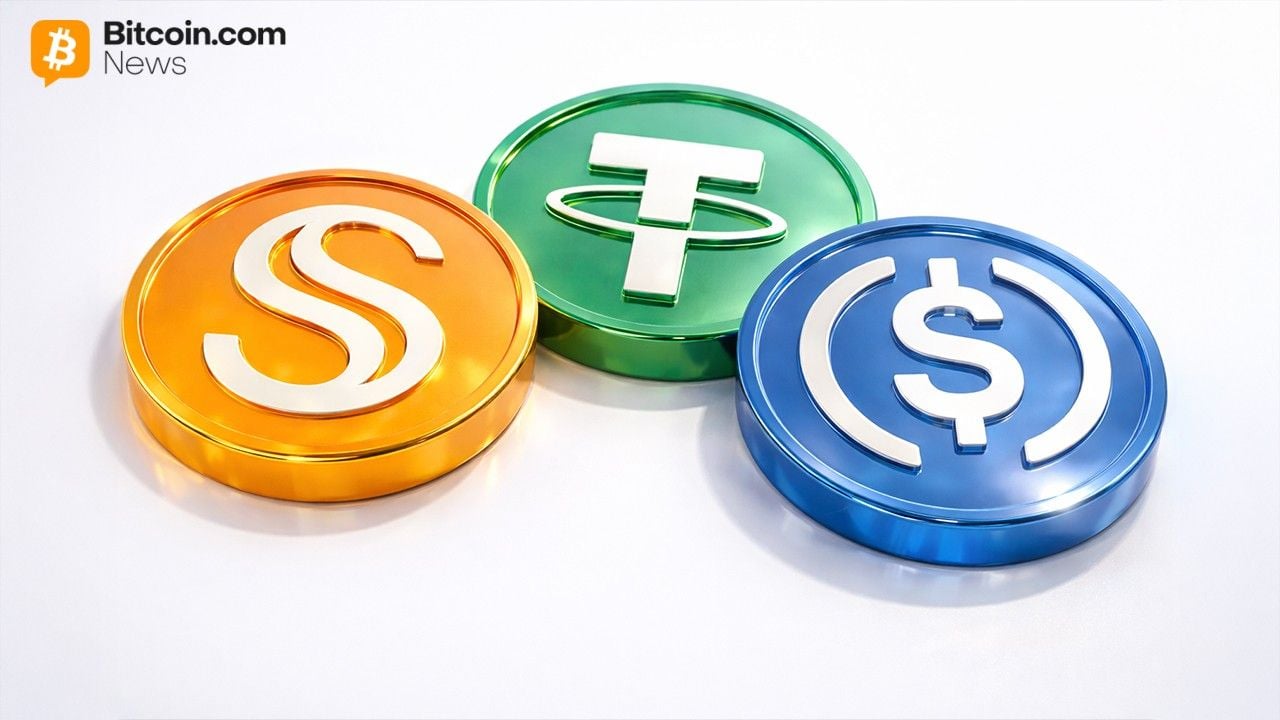
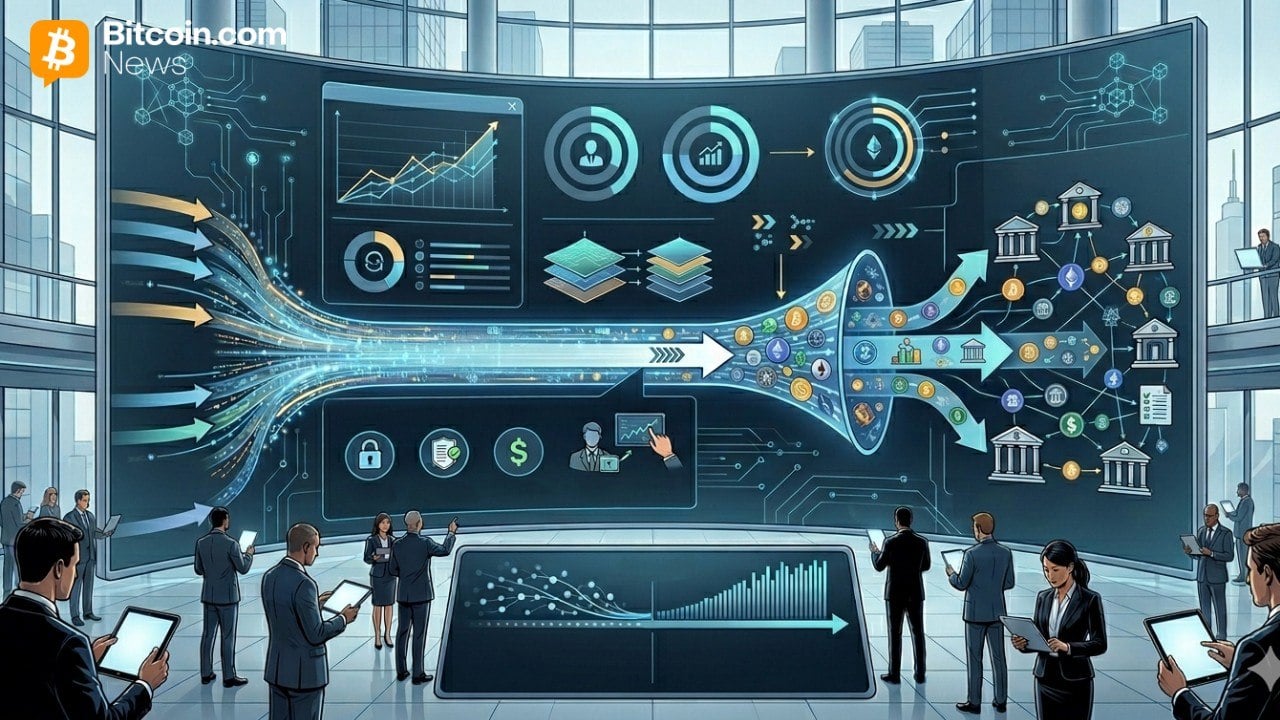
The rollout marks Meta’s most concrete step yet into crypto-based payments after years of regulatory setbacks. Creators who qualify can connect a compatible crypto wallet to their Meta payout account and begin receiving earnings in USDC, a dollar-pegged stablecoin, directly on the Solana or Polygon networks.
Stripe, which acquired stablecoin infrastructure firm Bridge, is the primary partner powering the backend. Meta issued requests for proposals to third-party providers in February 2026, with Stripe emerging as the leading choice. The current pilot reflects what those early discussions targeted: a workable, low-friction system for international creator payments.
The path to this moment was not direct. Meta attempted its own cryptocurrency project, originally called Libra and later renamed Diem, between 2019 and 2022. Regulatory opposition from lawmakers in the United States and Europe killed the effort. This time, Meta is not issuing its own token. It is relying on USDC, a regulated stablecoin issued by Circle, to sidestep the friction that sank Diem.
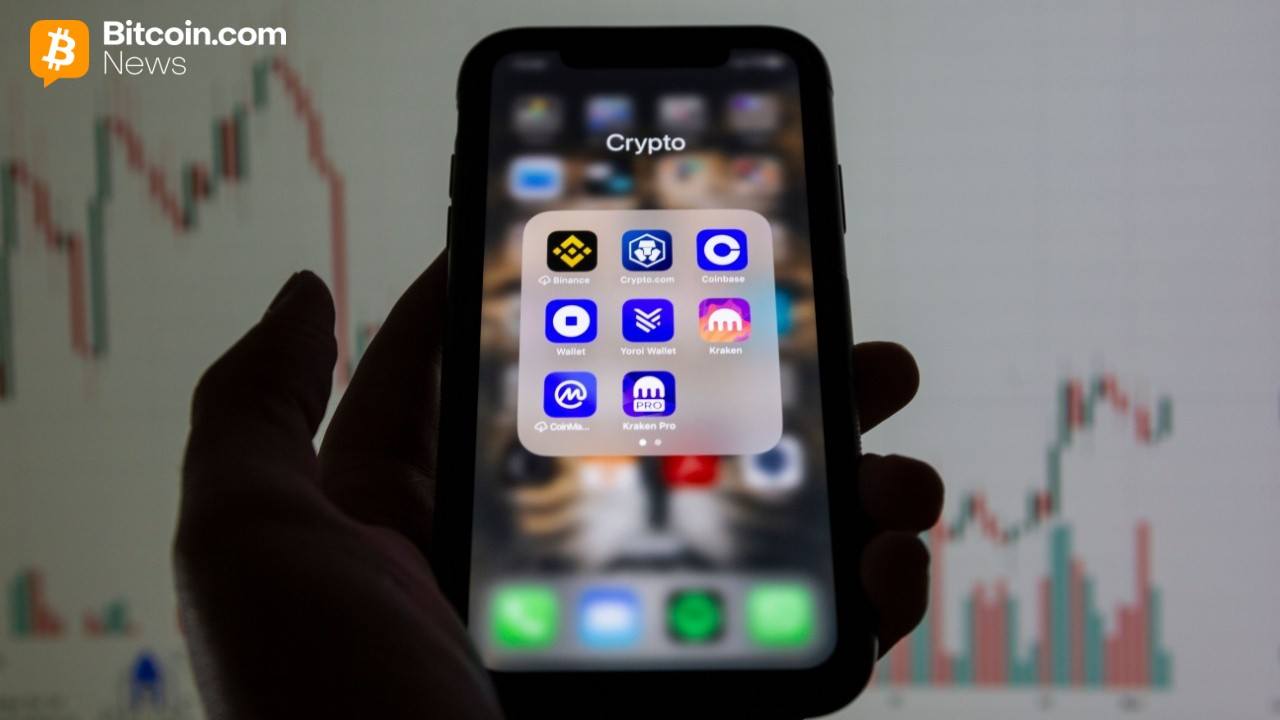
Creators who receive a Facebook app notification can enter their USDC wallet address into their Meta payout settings. The eligible networks are Solana and Polygon only. Supported wallets include MetaMask, Phantom, Binance, Bybit, Kraken, Exodus, Brave Wallet, Bitso, GCash (GCrypto), and Coins.ph.
Meta does not convert USDC to local currency. Creators who want cash must transfer USDC to a compatible exchange, sell for fiat, and withdraw to a bank. The company is clear that transactions are irreversible. Funds sent to the wrong address or network cannot be recovered.
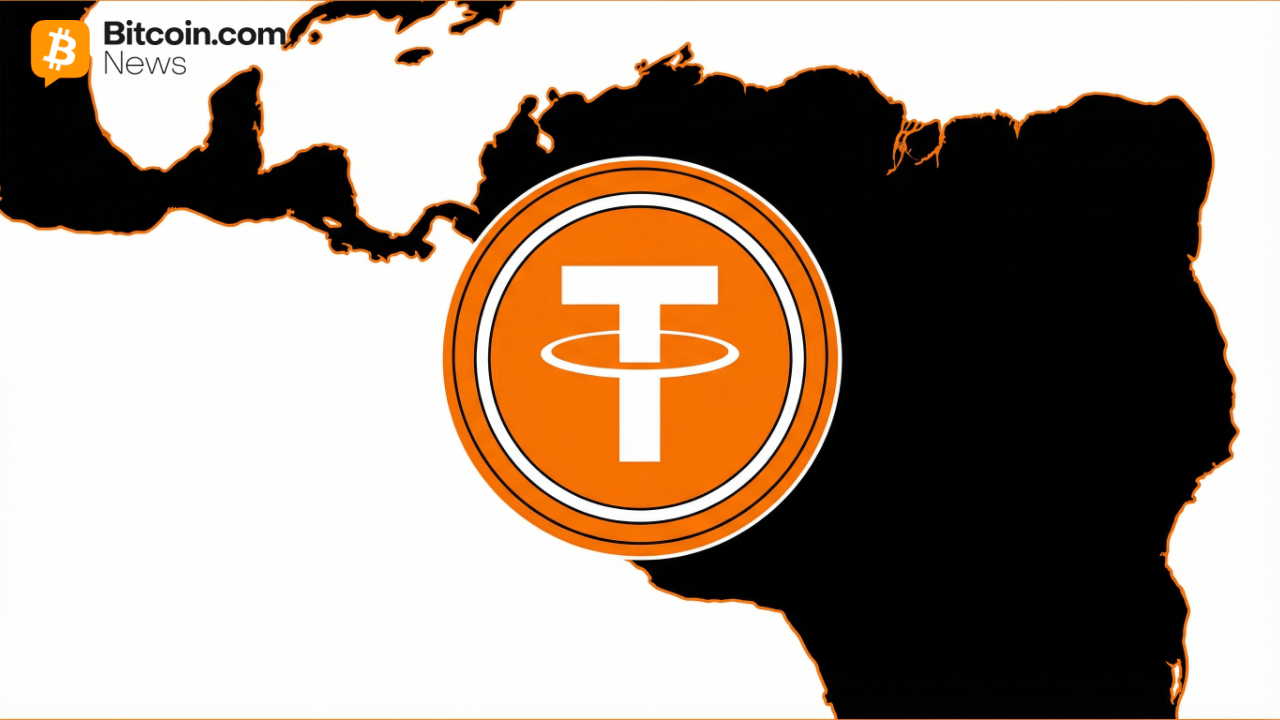
The two pilot markets, Colombia and the Philippines, are not random choices. Both countries have large populations of creators who earn in U.S. dollars and pay significant fees converting those earnings through traditional banking channels. Stablecoins like USDC can move across borders in seconds at a fraction of what wire transfers typically cost.
For tax purposes, creators will still receive standard Meta forms, such as Form 1099 or 1042, covering total earnings. Because the payments involve digital assets, Stripe may issue additional crypto-specific tax documentation. Meta advises creators to keep records from both sources.
Meta retains the right to switch a creator to another payout method if technical issues arise with the crypto option. Creators are responsible for the security of their own wallet credentials and private keys. The company does not offer custodial services.
The pilot fits into a pattern of major technology companies testing stablecoin rails for commerce and payments. Paypal launched its own stablecoin, PYUSD, in 2023. Stripe resumed crypto payouts the same year. Regulatory progress in the United States, including developments tied to the GENIUS Act framework, has given companies more room to move.
Meta’s network of more than 3 billion users gives this pilot real scale potential. If the company expands USDC payouts globally throughout 2026, it could become one of the largest stablecoin distribution pipelines for individual earners anywhere.
Creators interested in the feature should check their Facebook payout settings directly to confirm eligibility and review supported wallet options before connecting any wallet address.