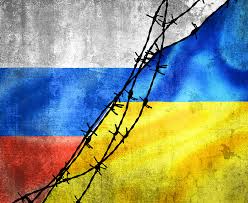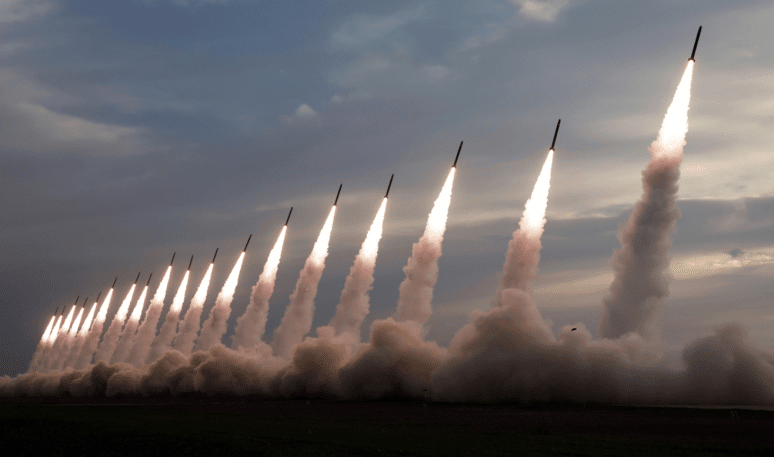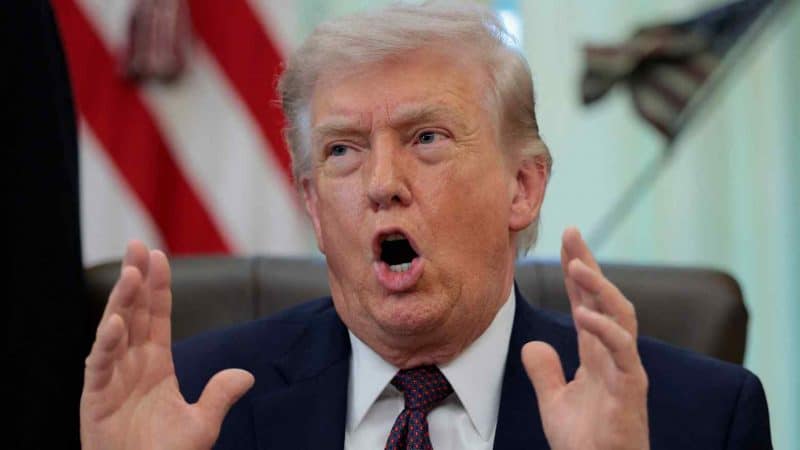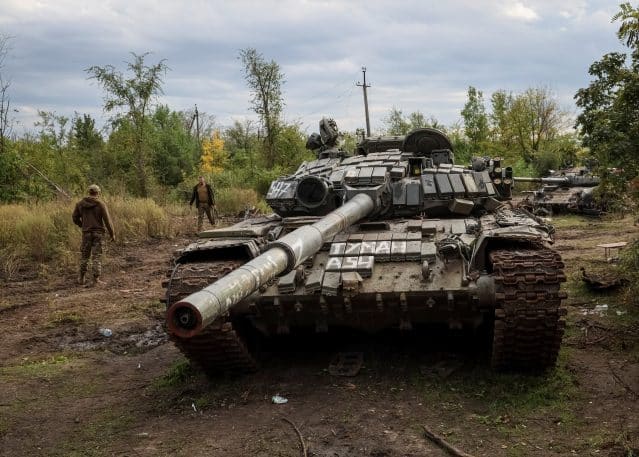
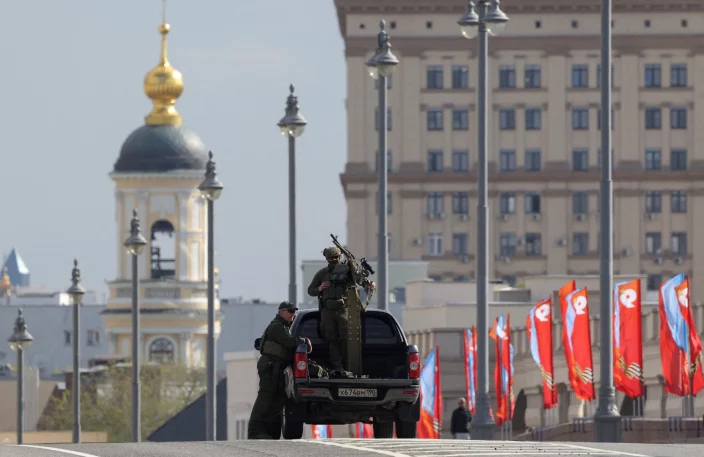
Russia has not launched a major aerial or missile strike on Ukraine since May 9, the day a three-day ceasefire brokered by President Trump officially went into effect. The pause in large-scale bombardment marks a notable shift in a conflict where cities have regularly absorbed waves of drones and cruise missiles, even if the fighting along the ground hasn’t stopped for a second.
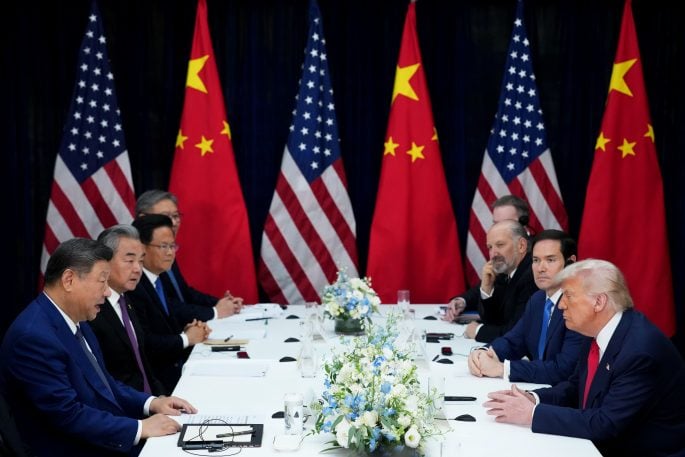
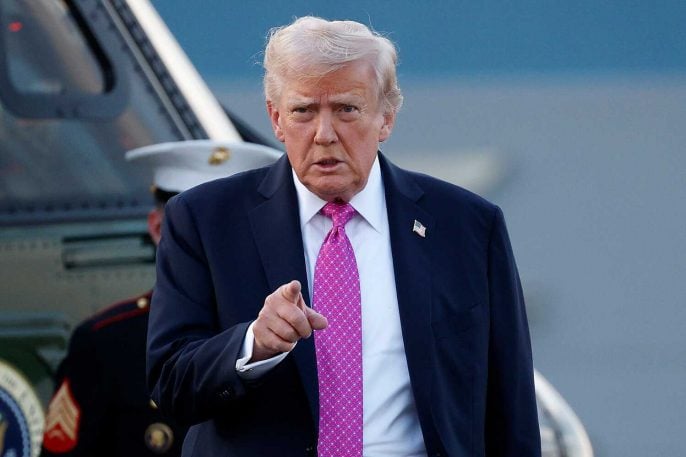
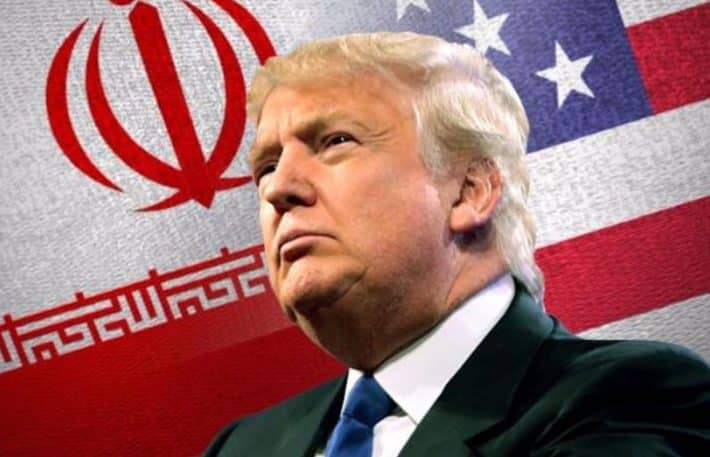
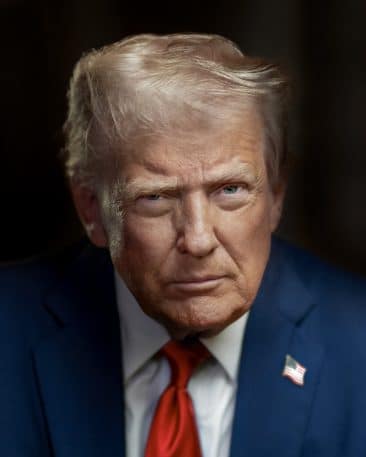
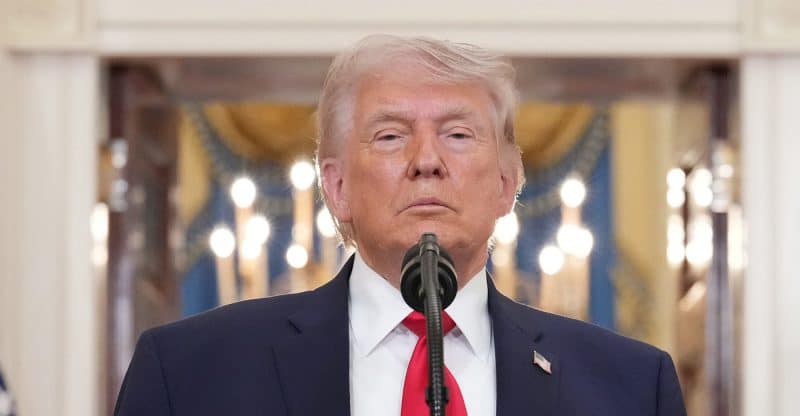
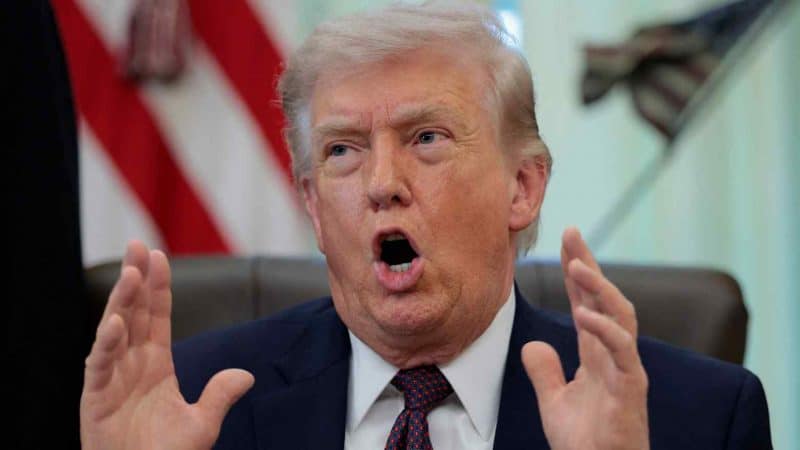
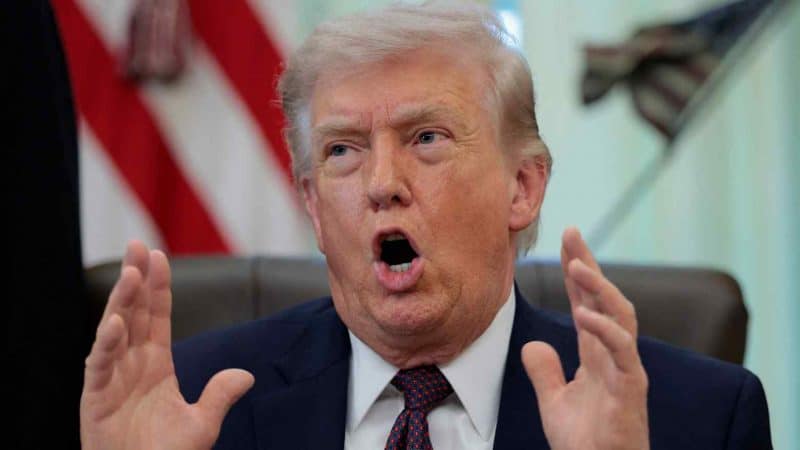
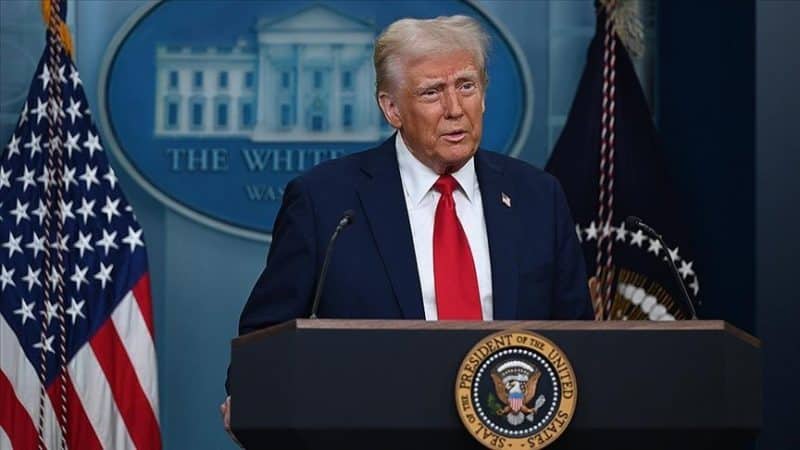
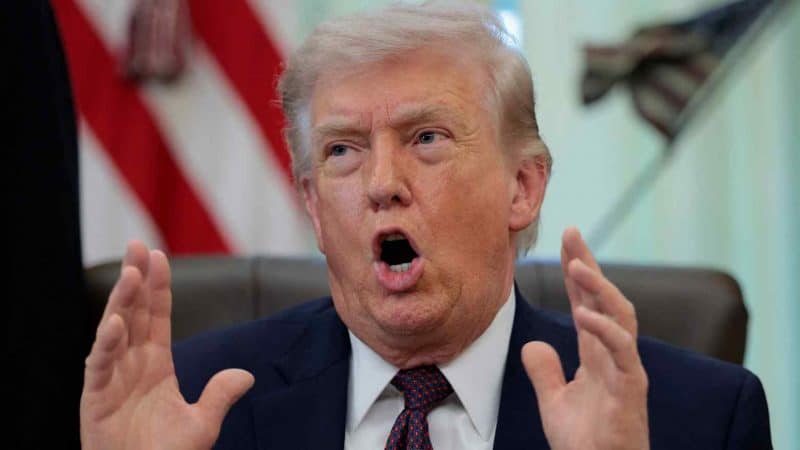
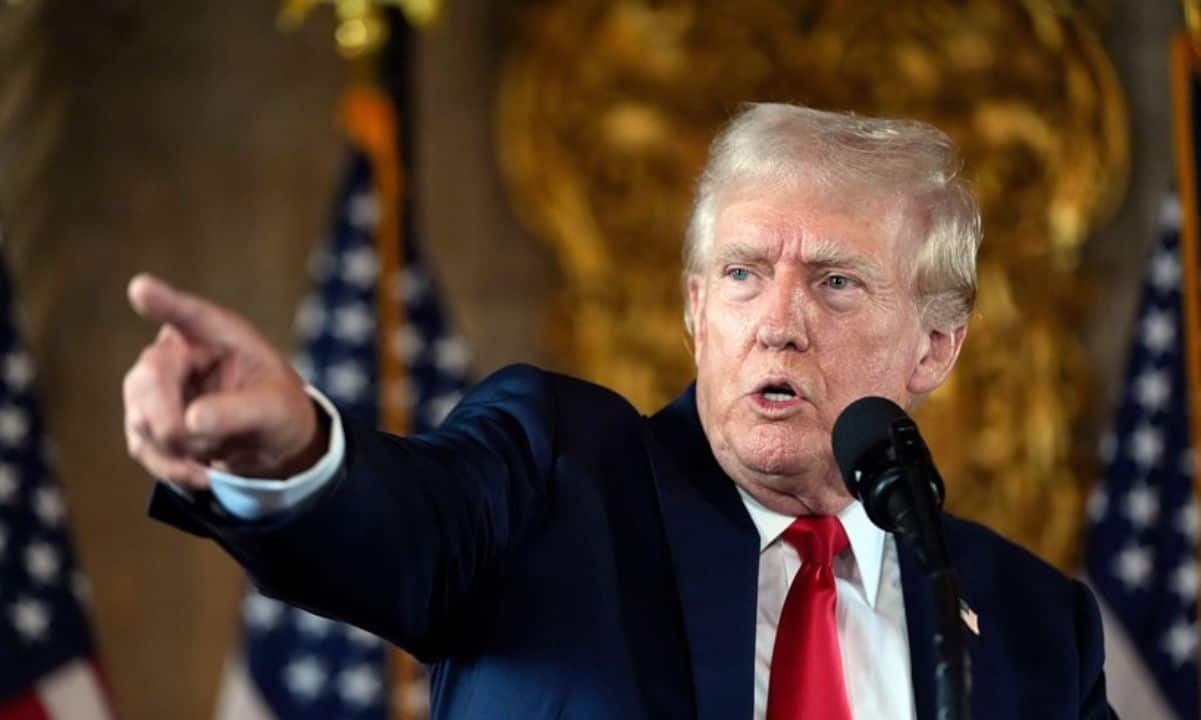
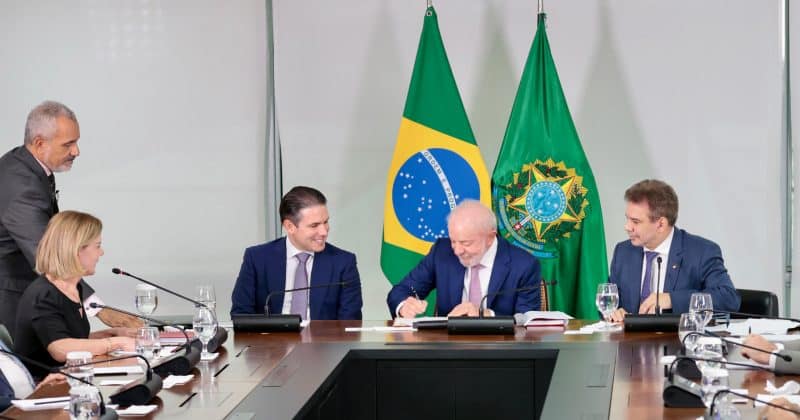
The ceasefire, running from May 9 through May 11, was announced after a conversation between Trump and Vladimir Putin. Its timing was no accident: May 9 is Victory Day in Russia, the country’s most symbolically charged holiday, and the truce gave Moscow a window to hold its Red Square celebrations without the awkward optics of Ukrainian drones overhead.
A ceasefire in name, a war in practice
The Ukrainian General Staff reported 51 combat engagements on May 9 alone, the very first day of the supposed truce.
Russia’s Ministry of Defense alleged nearly 9,000 violations by Ukraine. That figure included drone strikes and ground attacks, according to the MoD’s tally.
The only condition that appears to have been genuinely enforced was Ukraine’s agreement not to strike near Moscow’s Red Square during Victory Day. That condition was reportedly upheld.
A swap of 1,000 captives from each side had reportedly been agreed upon as part of the deal. As of May 9, it had not taken place.
What Russia actually did during the truce
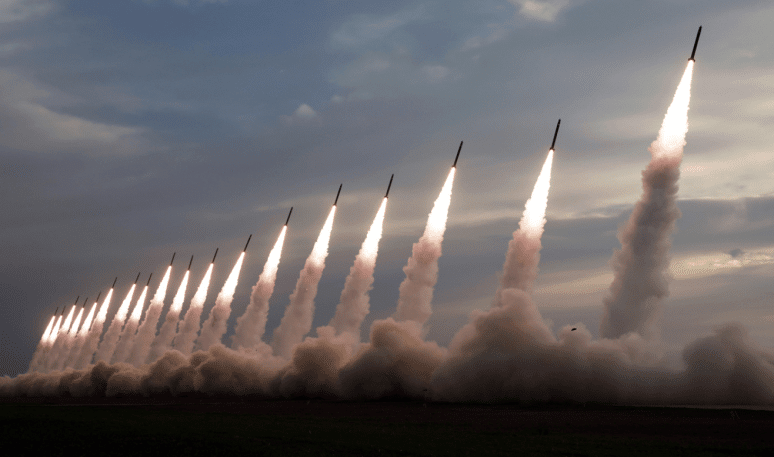
The absence of large-scale missile and drone barrages since May 9 is real and measurable. Ukraine’s cities have not absorbed the kind of coordinated strikes that had become a grim routine over previous months.
Frontline attacks continued, and reports indicate that Russian forces used the ceasefire period to reposition troops in preparation for future offensive operations.
The lack of enforcement mechanisms made the May 9 ceasefire particularly vulnerable to this dynamic. There were no neutral monitors, no verification protocols, and no consequences for violations.
Why the missile pause matters, even if the ceasefire didn’t
Large-scale aerial attacks on Ukrainian infrastructure, particularly energy grids, have historically sent ripple effects through European natural gas markets. A sustained pause in those strikes, even an informal one, reduces the immediate risk of another Ukrainian energy crisis spilling over into European supply chains.
The prisoner exchange, or lack thereof, is also worth watching. A swap of 1,000 captives per side would represent one of the largest exchanges of the war. Its continued absence signals that back-channel negotiations lack real substance.
The Trump administration will likely frame any period of reduced violence as validation of its diplomatic approach, regardless of what’s happening on the ground. That framing matters because it shapes the political appetite in Washington for further engagement, sanctions adjustments, and aid decisions that have direct market consequences across defense, energy, and agricultural sectors.