
Boston-based travel blogger Jake Rosmarin is among the approximately 100 people aboard the m/v Hondius, a cruise ship in the Atlantic Ocean now struggling to contain a deadly hantavirus outbreak.
In a tearful video Rosmarin filmed for TikTok, the outside world was asked to remember the “uncertainty” for passengers. “What is happening is very real for us right now,” Rosmarin said. “We’re not just a story, we’re not just headlines, we’re people, people with families, with lives, with people waiting for us at home.”
Before departing from Argentina on the 35-day cruise, Rosmarin filmed a video tour of the ship — highlighting the dining hall, bridge, outer decks, and his own room.
The state of the ship
Three passengers on the Hondius, which departed on April 11 from Argentina en route to Cape Verde, have died from hantavirus, which is typically contracted through exposure to the feces, urine, or saliva of rodents. It is believed the disease spread during a birdwatching expedition, according to NBC News.
The World Health Organization is currently reporting five confirmed cases of the virus. This specific strain of hantavirus, known as the Andes strain, can spread from person to person.
After the first infections began to show on the ship, 30 people aboard the Hondius disembarked on April 24 on the island of St. Helena, including the wife of a man who died from the virus. Her husband’s body was removed as well. Contact tracing was not conducted in St. Helena, according to reports.
The unnamed widow then flew to Johannesburg and then attempted to fly home to Amsterdam, but was removed from the flight before it took off for Europe. The woman has since died.
Mashable Top Stories
Several of the people who got off in St. Helena are now in the United States, specifically California, Arizona, Texas, Georgia, and Virginia. Representatives of the World Health Organization say the outbreak “is not the start of a new pandemic or epidemic,” according to NBC News.
The Hondius is currently en route to the Canary Islands and is expected to arrive in three or four days, but the president of the Spanish-controlled islands is currently resisting the ship docking there. No one aboard the ship is currently symptomatic, Hondius operator Oceanwide Expeditions declared in a statement.
WHO recommendations
On Wednesday, WHO offered key facts about hantavirus:
-
Hantaviruses are a group of viruses carried by rodents that can cause severe disease in humans.
-
People usually get infected through contact with infected rodents or their urine, droppings or saliva.
-
Infection with hantaviruses can cause a range of illnesses, including severe disease and death.
-
In the Americas, hantaviruses can cause hantavirus cardiopulmonary syndrome (HCPS), a severe respiratory illness, with a case fatality rate up to 50 percent.
-
Andes virus, found in South America, is a currently known hantavirus for which limited human‑to‑human transmission among contacts has been documented.
-
In Europe and Asia, hantaviruses cause hemorrhagic fever with renal syndrome (HFRS).
Hantavirus symptoms, diagnosis and treatment
Symptoms of hantavirus can emerge anywhere from one to eight weeks after exposure, and typically include fatigue, fever, headache, muscle aches, abdominal pain, nausea, or vomiting.
WHO warns that early diagnosis of hantavirus infection is difficult because many early symptoms are similar to flu, pneumonia, and COVID. The Andes strain of hantavirus is not as easily transmitted as flu or COVID though, according to health experts cited by NBC News.
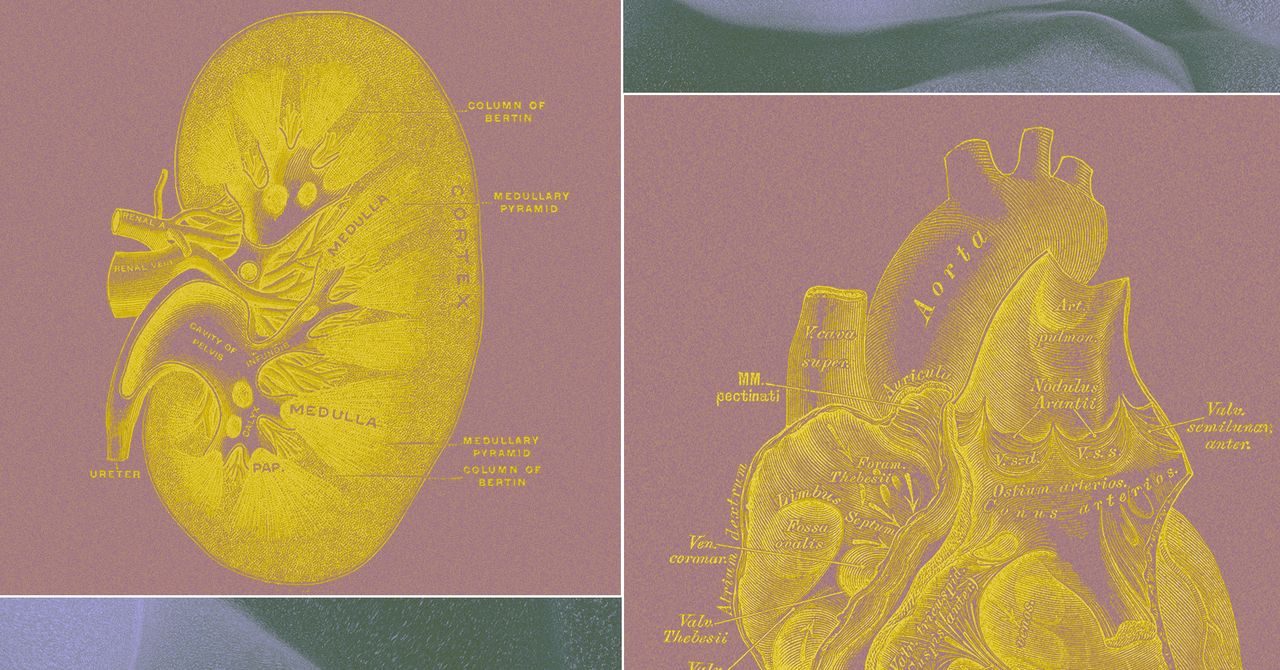
Hantavirus can cause two distinct syndromes: pulmonary syndrome (HPS), which affects the lungs, and hemorrhagic fever with renal syndrome (HFRS), which affects the kidneys. HPS is much more dangerous, with a 38 percent fatality rate, according to USA Today, while HFRS has a 1 percent to 15 percent fatality rate.
There is no specific treatment or vaccine available for hantavirus, according to the Centers for Disease Control and Prevention. “Patients should receive supportive care, including rest, hydration, and treatment of symptoms,” the agency states on its website.
If you think you’ve been exposed
Wear a face mask and go to the nearest hospital or medical facility immediately.