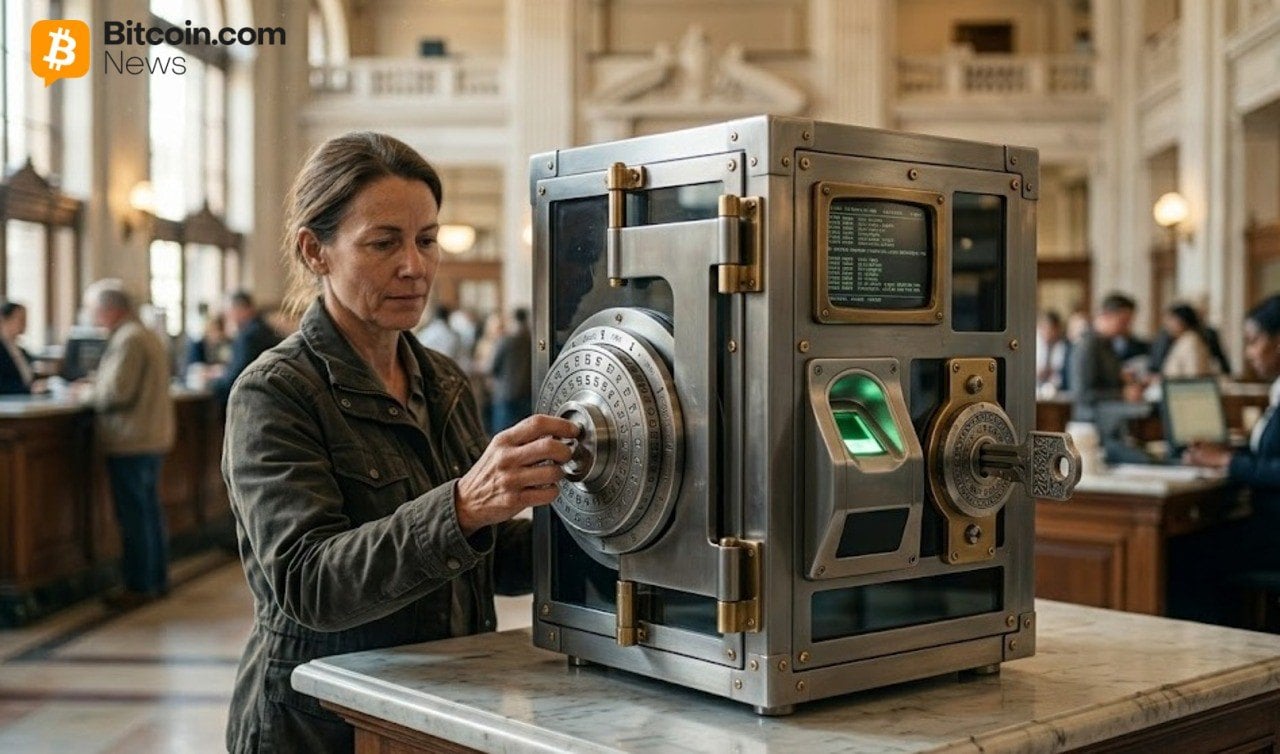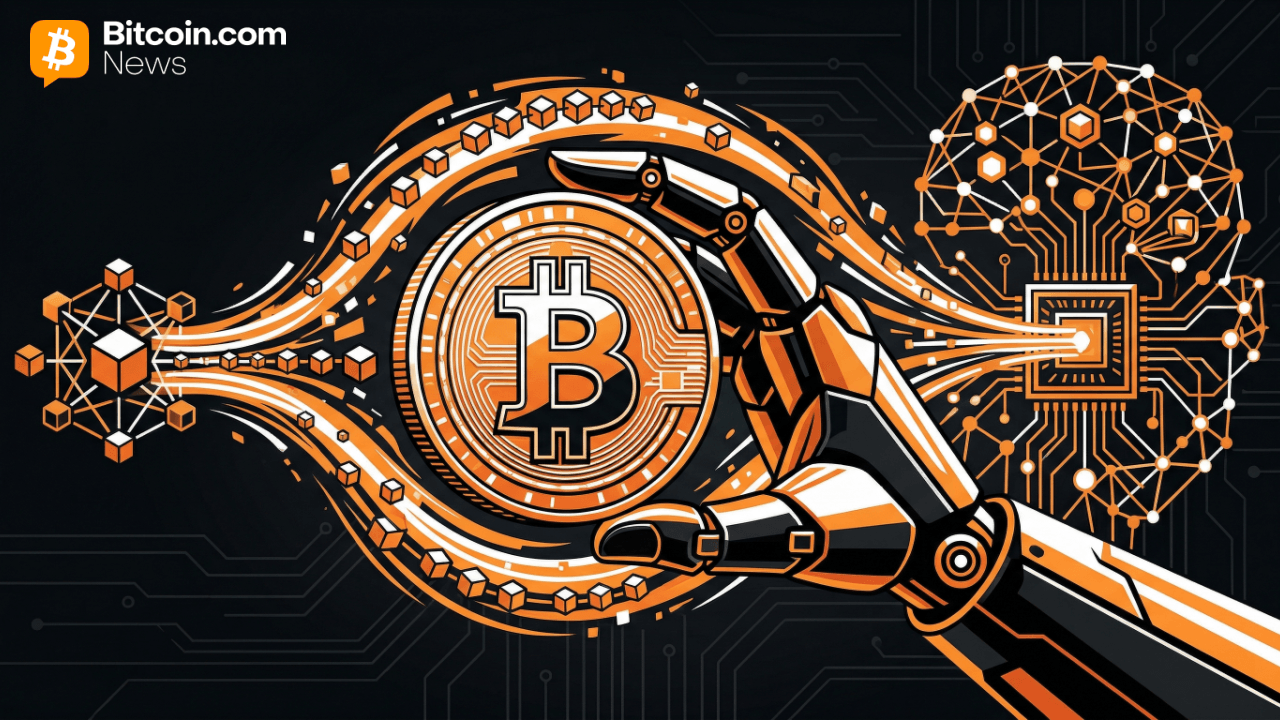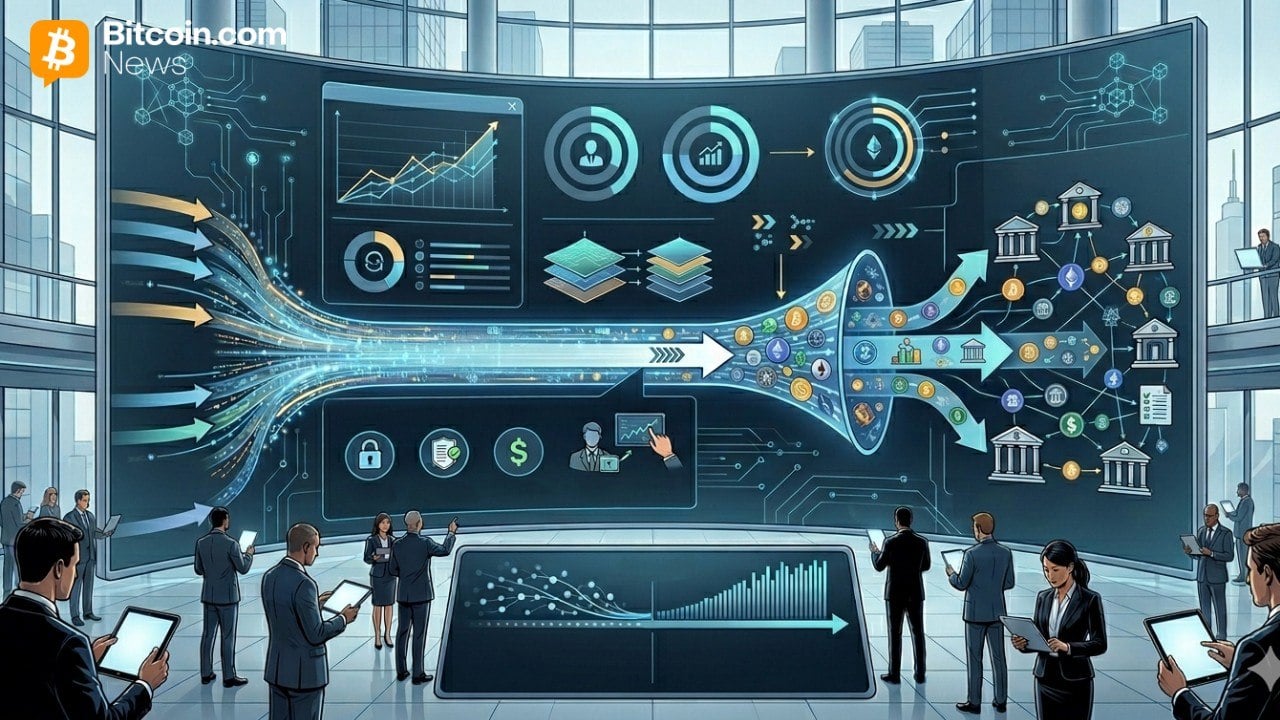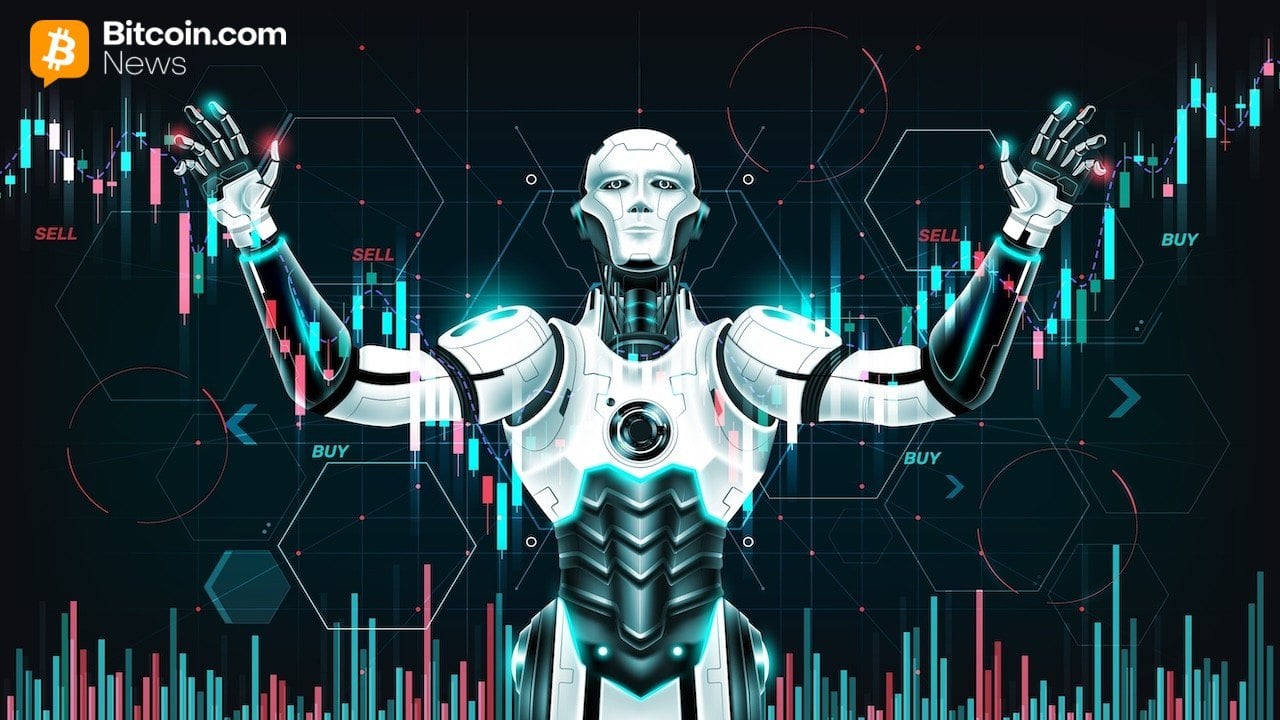

On March 23, 2026, Moonpay launched the Open Wallet Standard (OWS), an open-source framework designed to solve fragmentation in the agent economy by allowing artificial intelligence (AI) agents to hold value and sign transactions without exposing private keys. The initiative arrives with backing from over 15 major organizations, including the Ethereum Foundation, Solana Foundation, and Paypal, and is currently available on Github, npm, and PyPI.
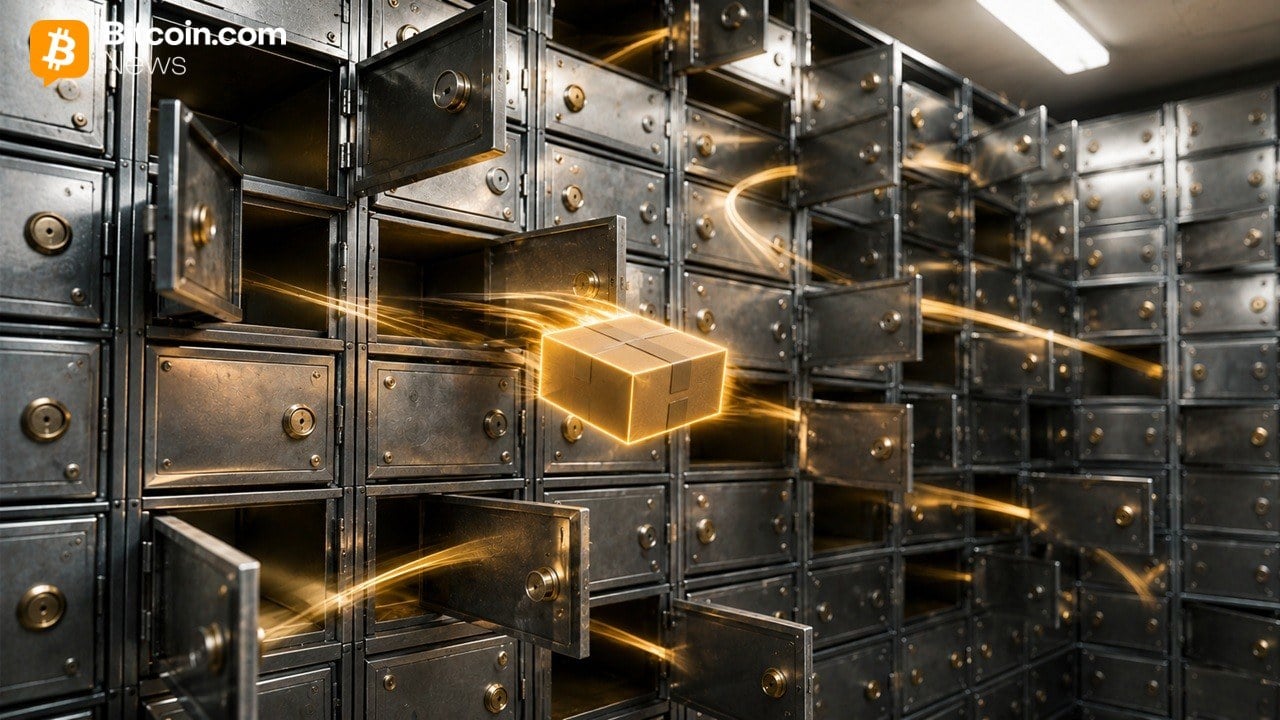
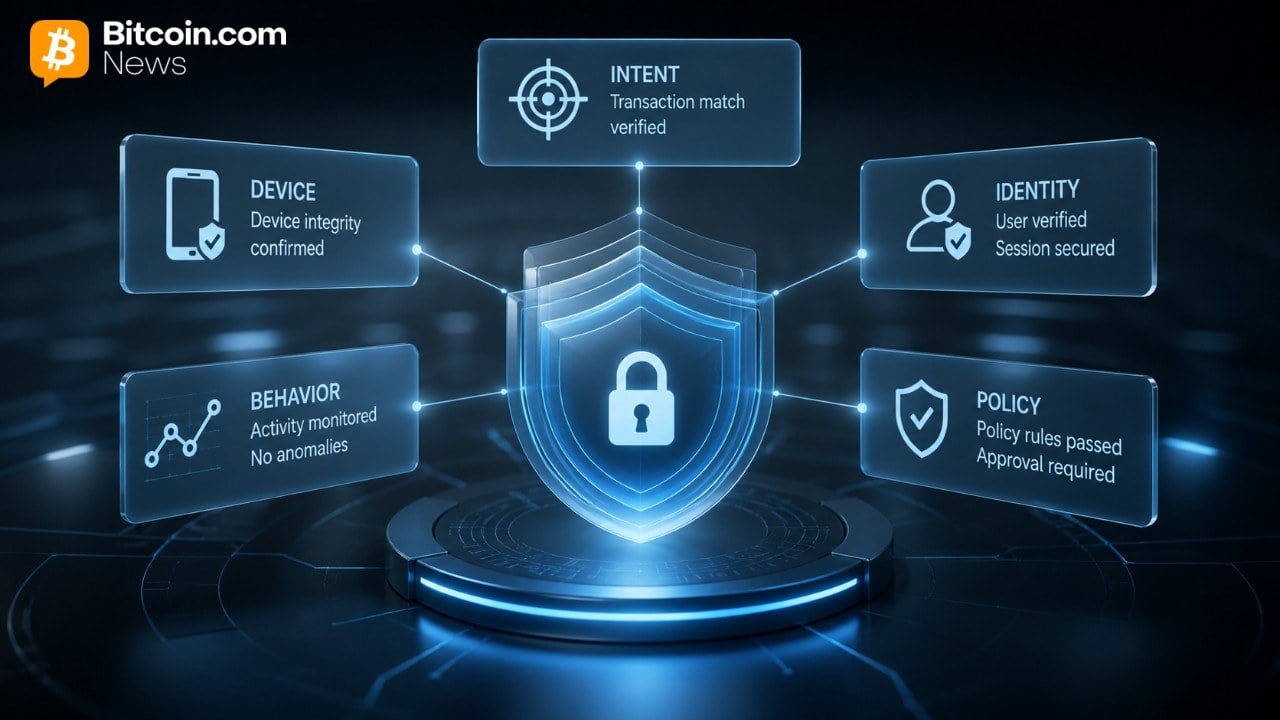
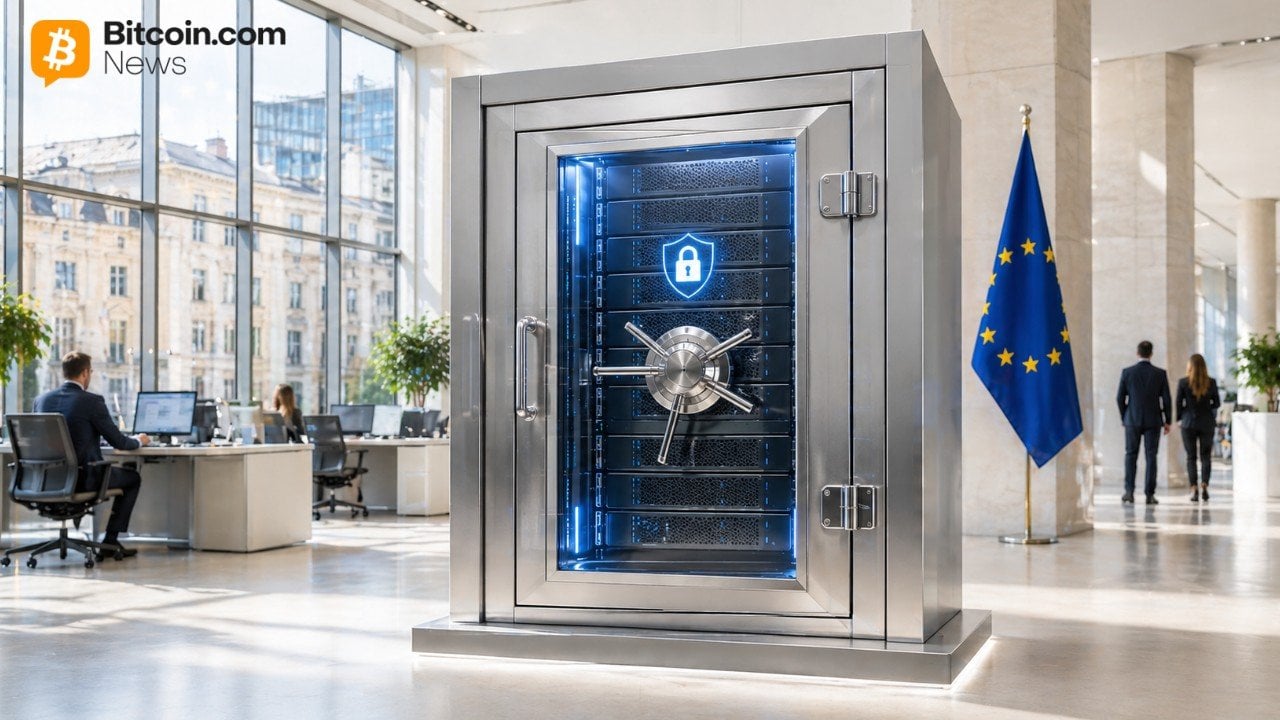
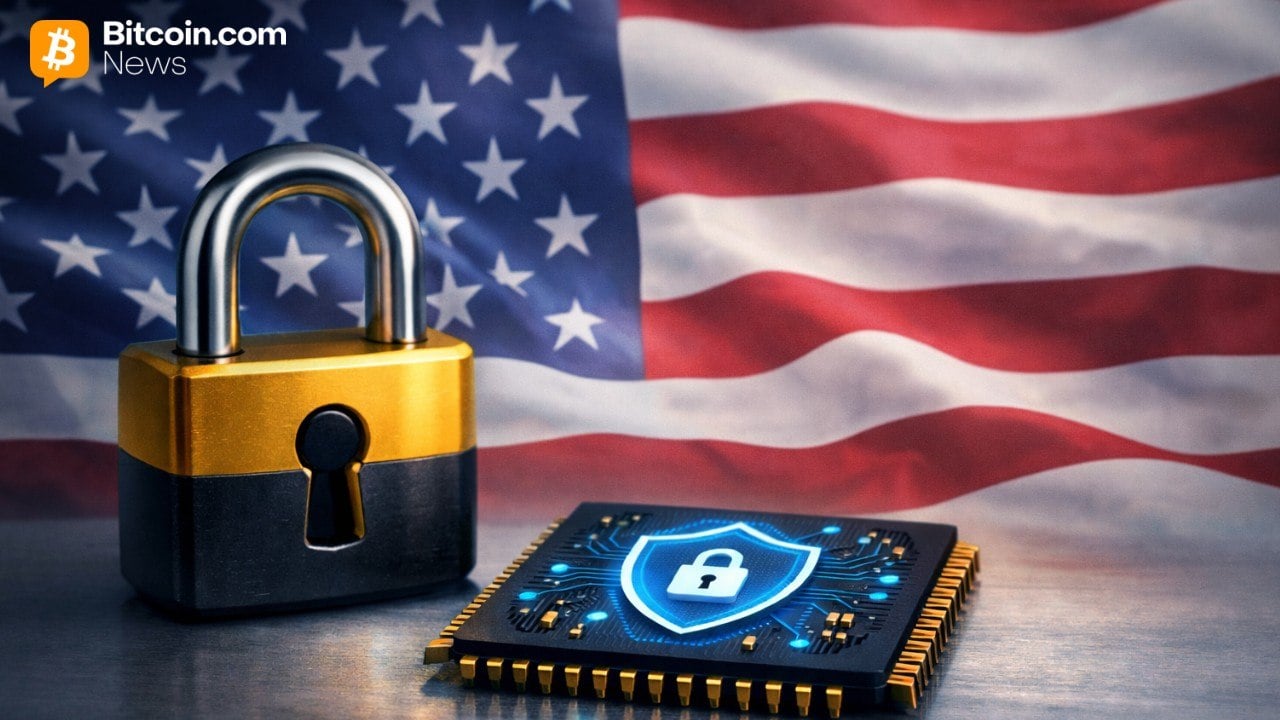
The standard addresses a critical gap in machine-to-machine commerce by providing a unified encrypted vault that supports eight chain families, including Bitcoin, Ethereum, and Solana. By integrating policy-gated signing and local-first storage, OWS ensures that autonomous agents operate within human-defined spending limits while maintaining 100% compatibility across different agent frameworks.
Moonpay currently serves more than 30 million customers across 180 countries and supports over 500 enterprise partners through its global payments network. This release follows the company’s recent integration of Ledger hardware signing into its agent stack, further cementing its role as a primary infrastructure provider for the emerging autonomous economy.
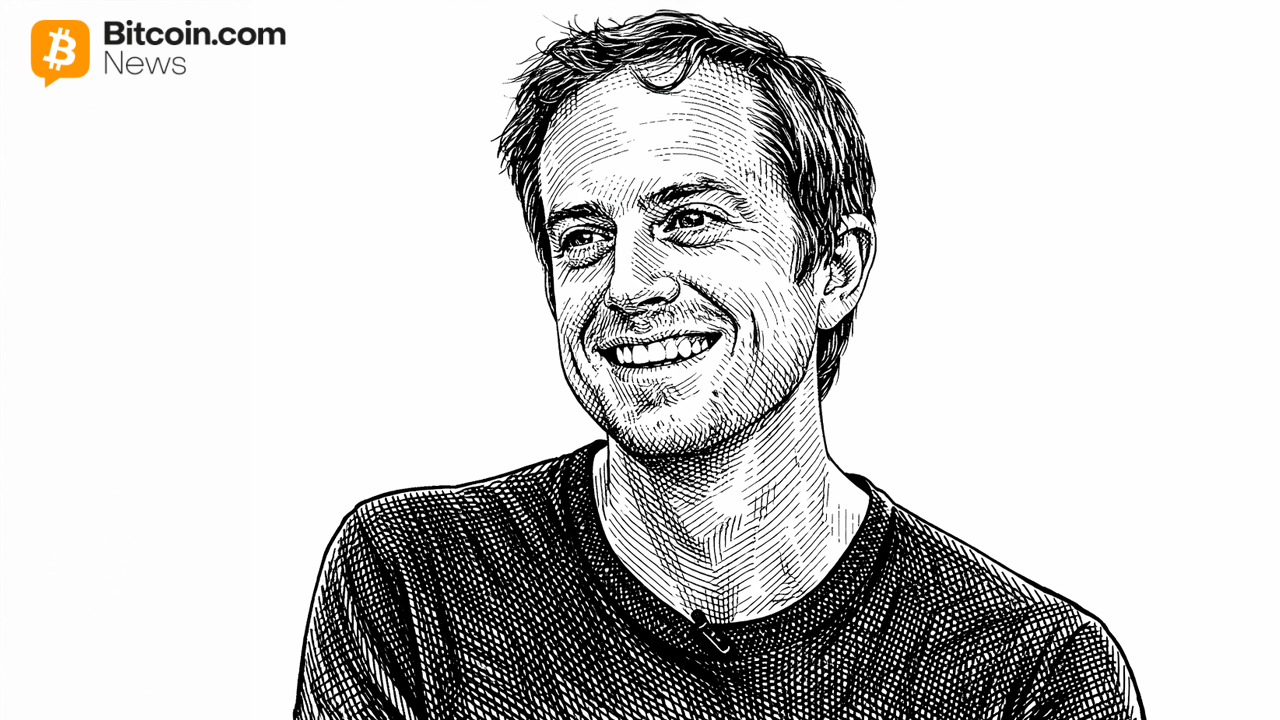
“The agent economy has payment rails. It didn’t have a wallet standard. We built one, open-sourced it, and now the full stack exists,” said Ivan Soto-Wright, CEO and co-founder of MoonPay.
🧭 FAQs
• What is the primary purpose of the Open Wallet Standard? It provides a secure, universal way for AI agents to transact across multiple blockchains.
• Which organizations are contributing to this local infrastructure project? Partners include Paypal, Ripple, OKX, and various major blockchain foundations like Ethereum and Solana.
• Does this standard work within the United States jurisdiction? Yes, the open-source standard is available globally for developers and organizations via Github.
• How does the standard protect sensitive private key data? Keys are encrypted at rest and never exposed to the AI agent or LLM.