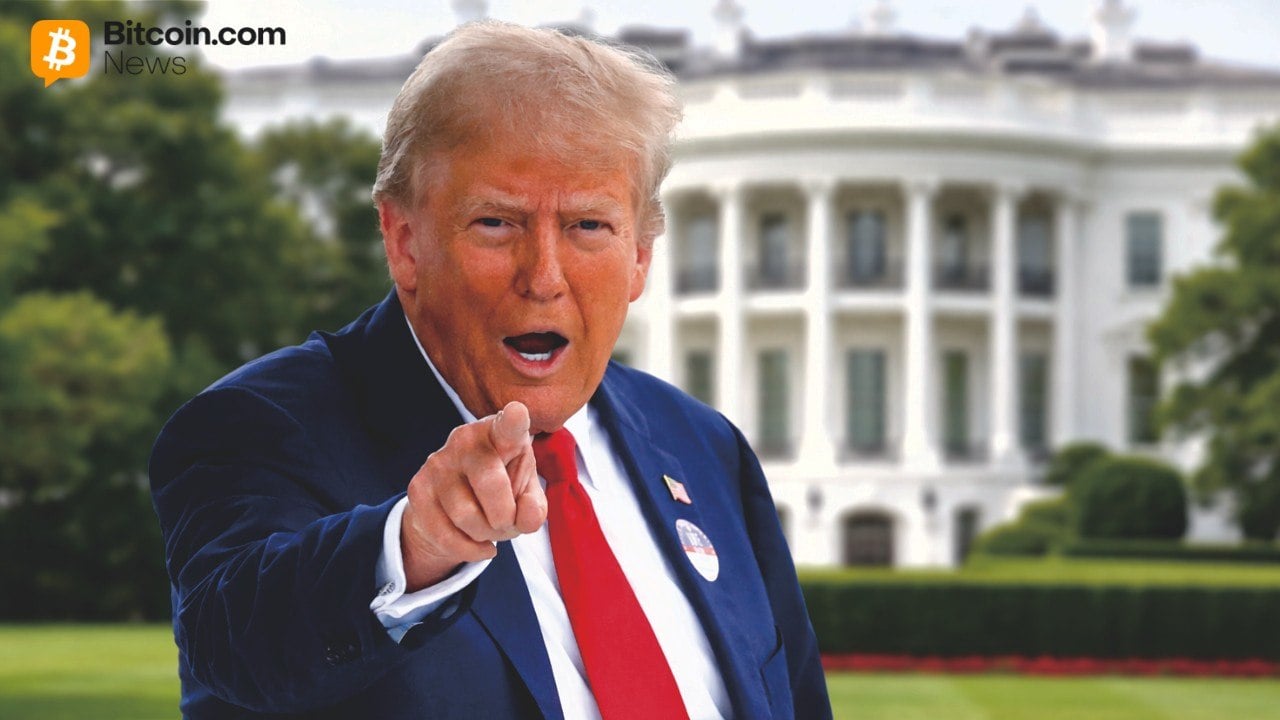
Trump Names Tech Titans to Science Policy Council
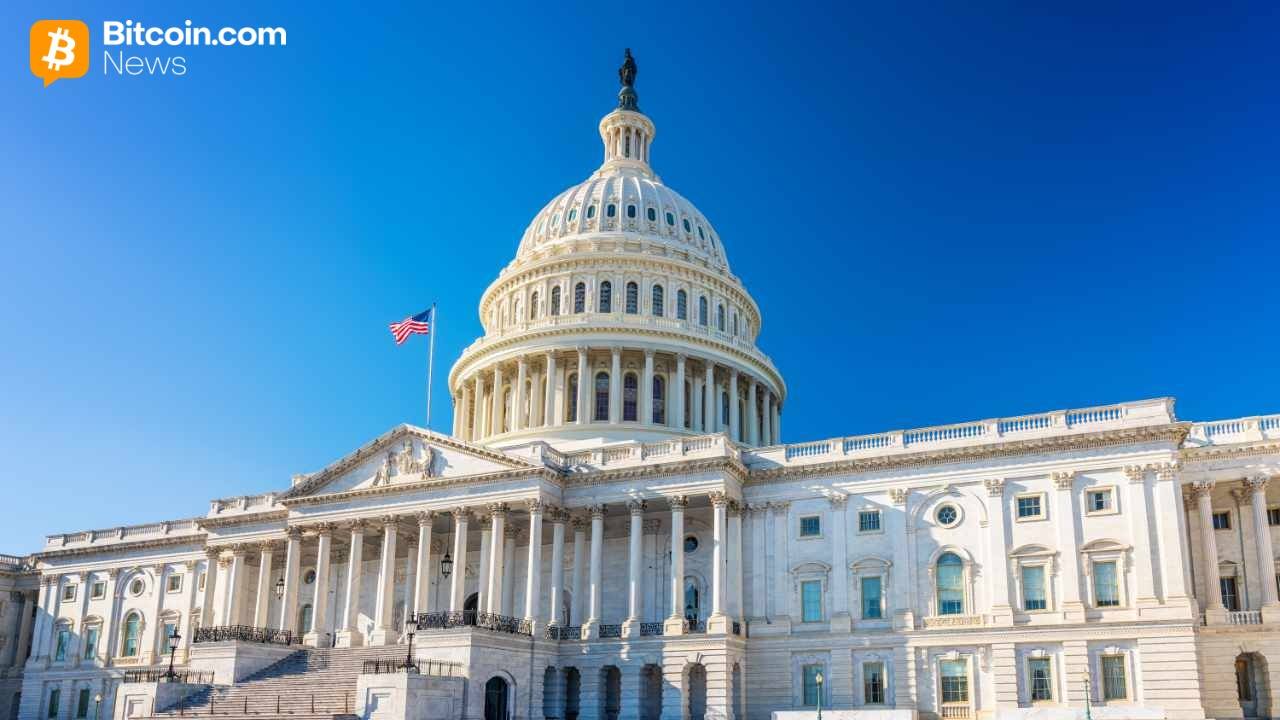
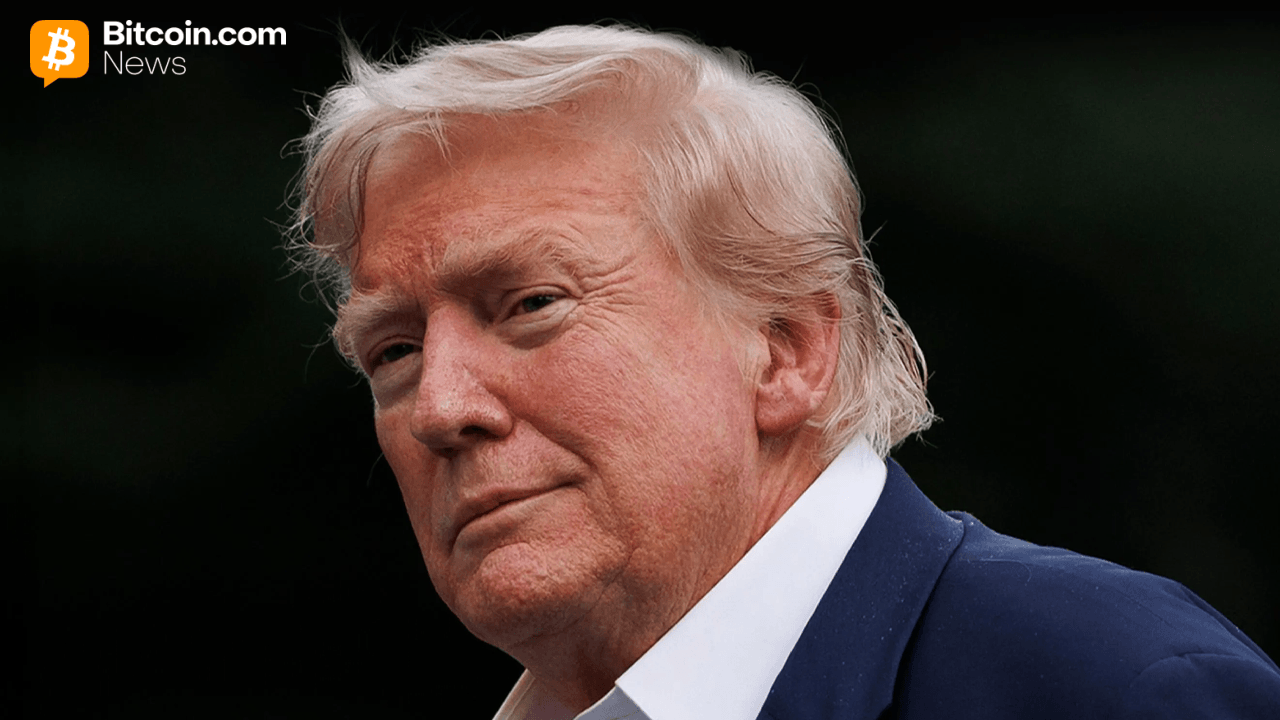
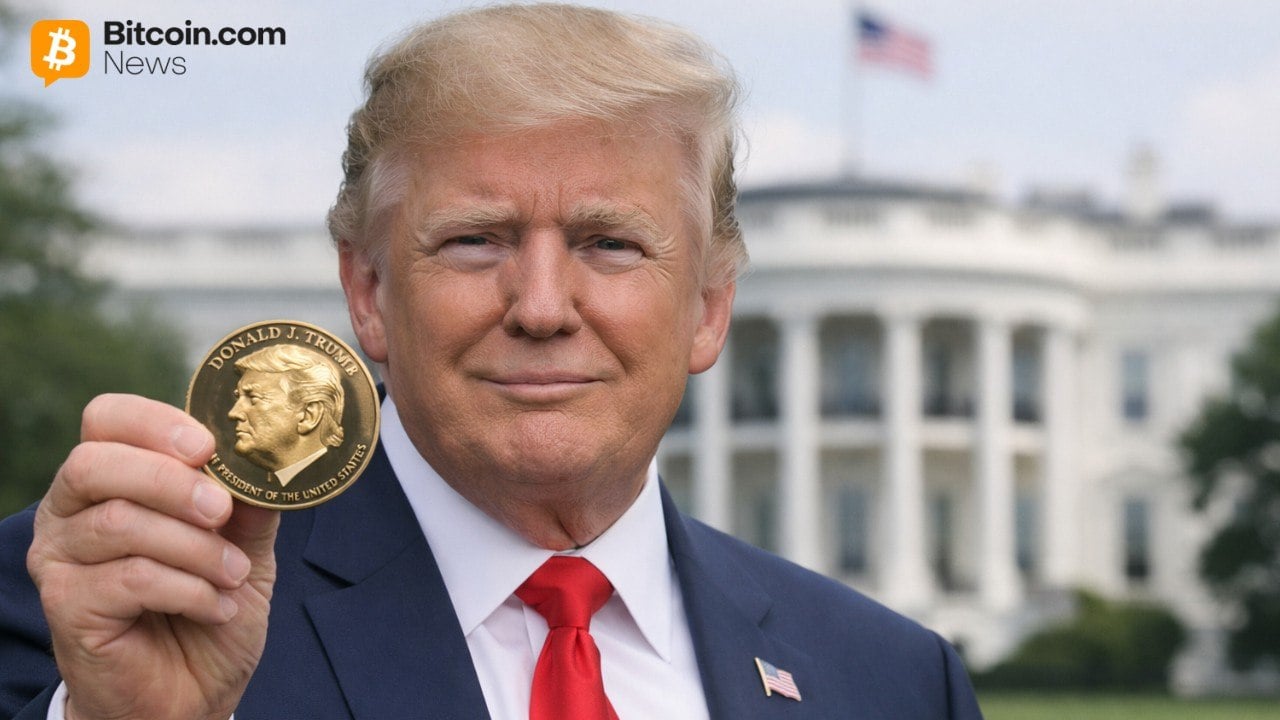
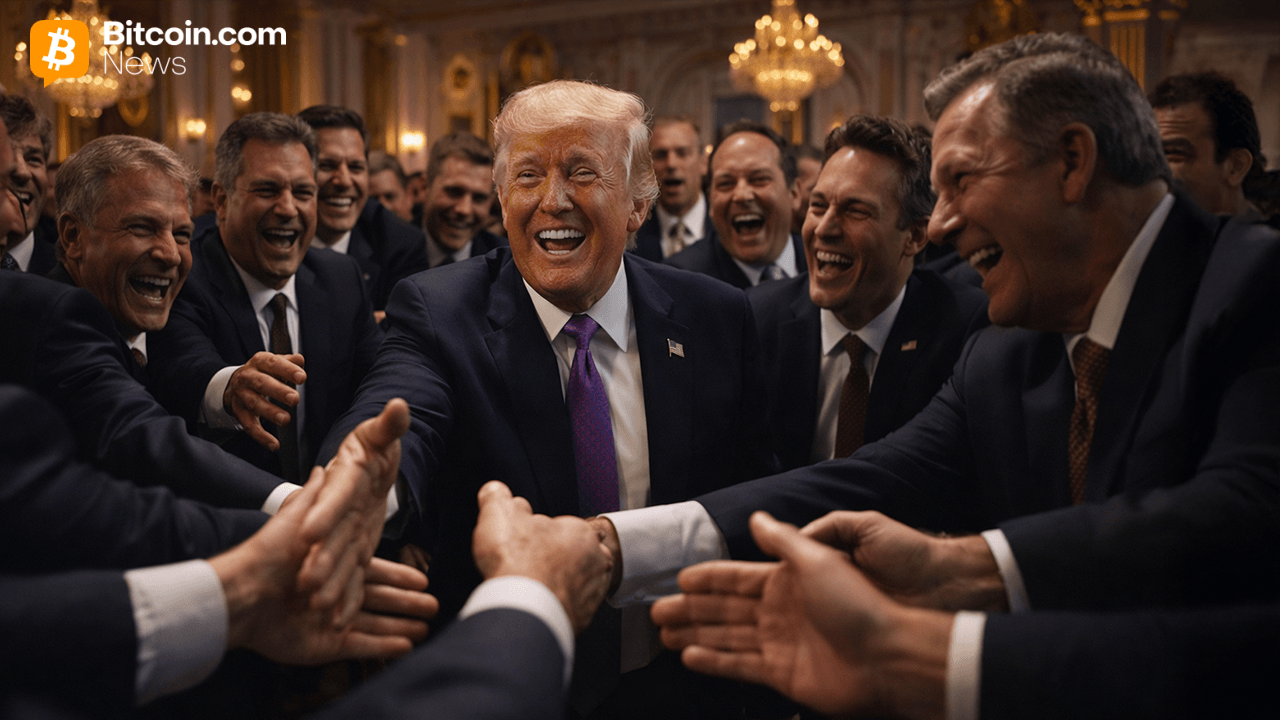
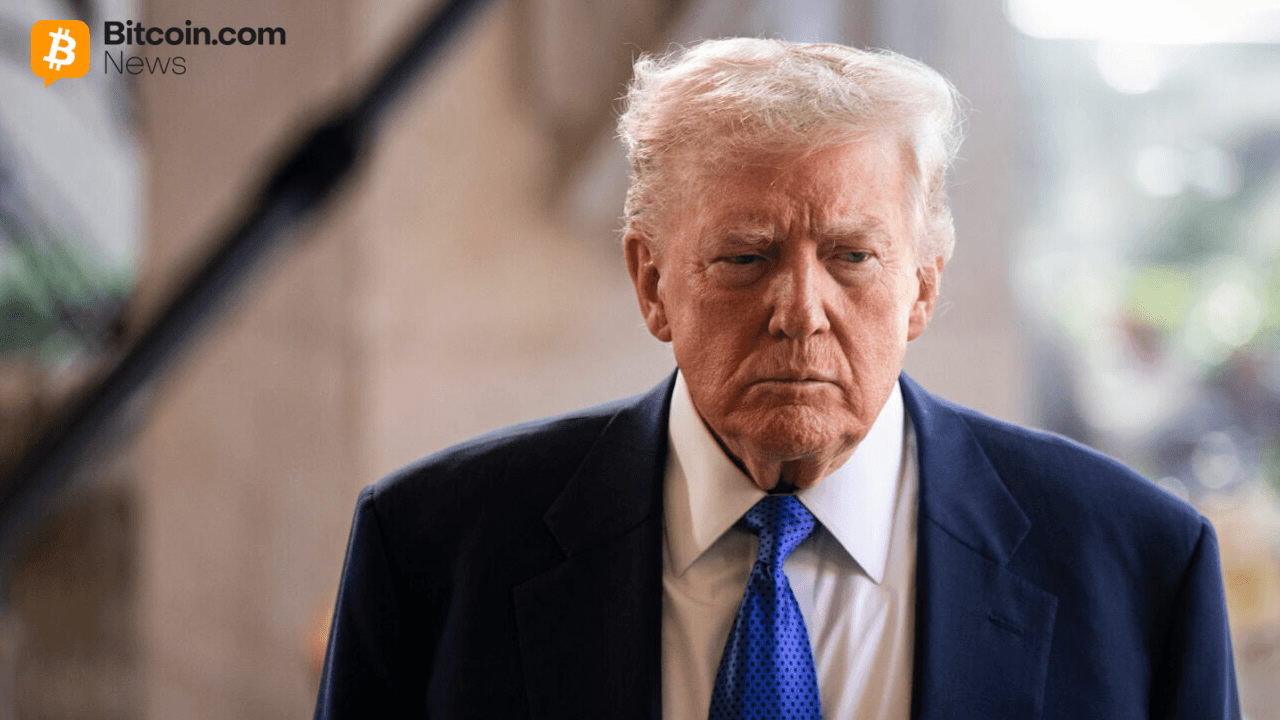
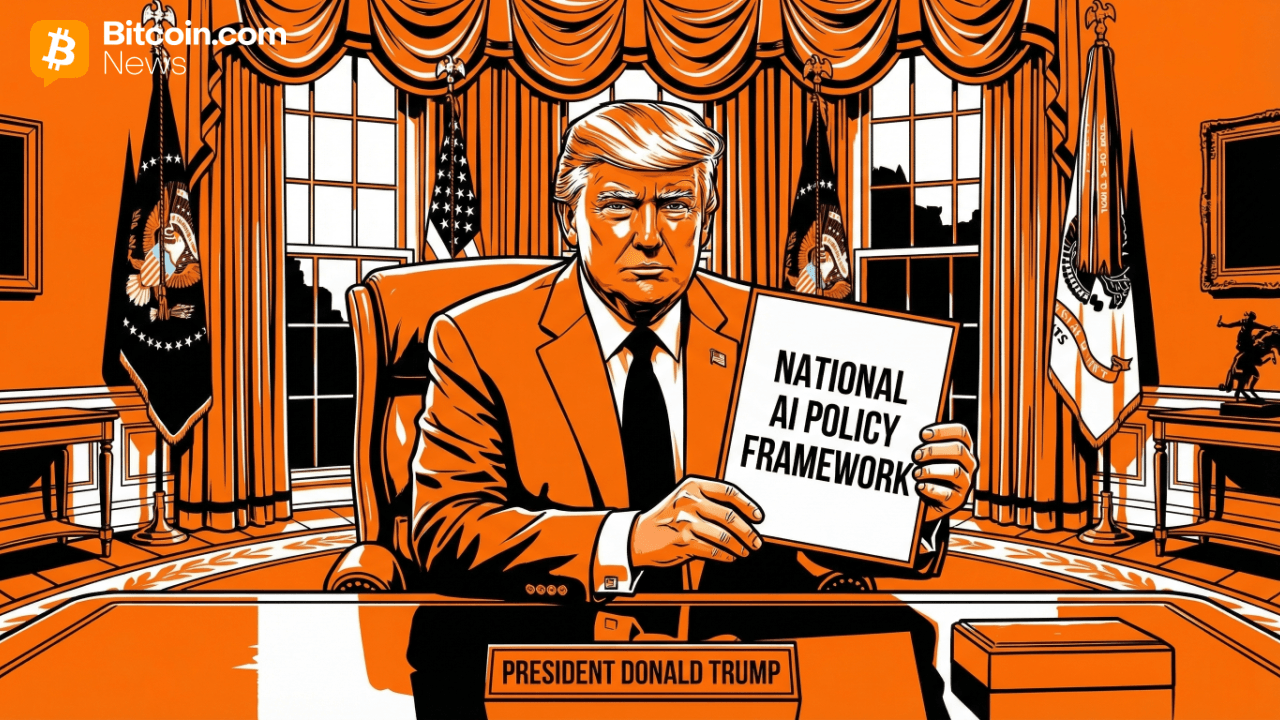
A federal advisory body on science policy is being reconstituted to address technological change and economic impact. The White House said on March 25 that President Donald J. Trump appointed initial members to the President’s Council of Advisors on Science and Technology.
Formed through an executive order, the panel is designed to shape national strategy across scientific and technical fields while drawing from private-sector and research expertise. The White House stated:
“Today, President Donald J. Trump appointed the first members to his President’s Council of Advisors on Science and Technology (PCAST).”
“Established by Executive Order, PCAST brings together the Nation’s foremost luminaries in science and technology to advise the President and provide recommendations on strengthening American leadership in science and technology,” the announcement adds.
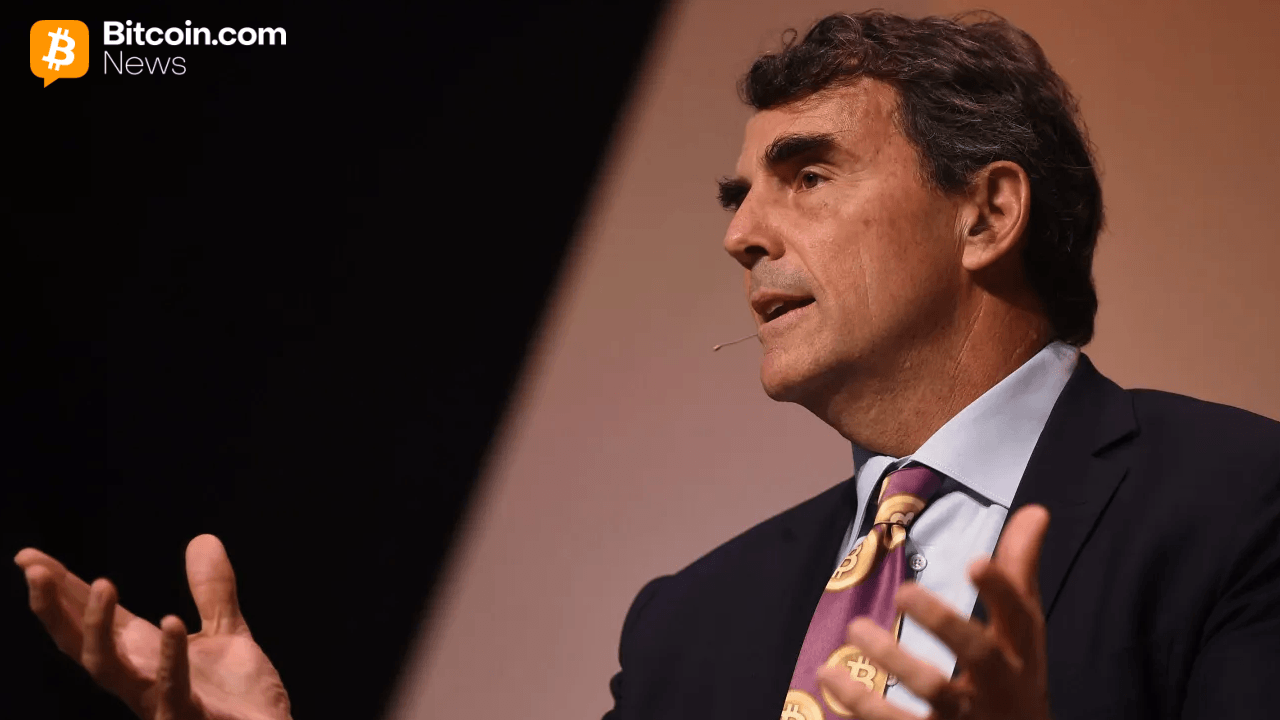
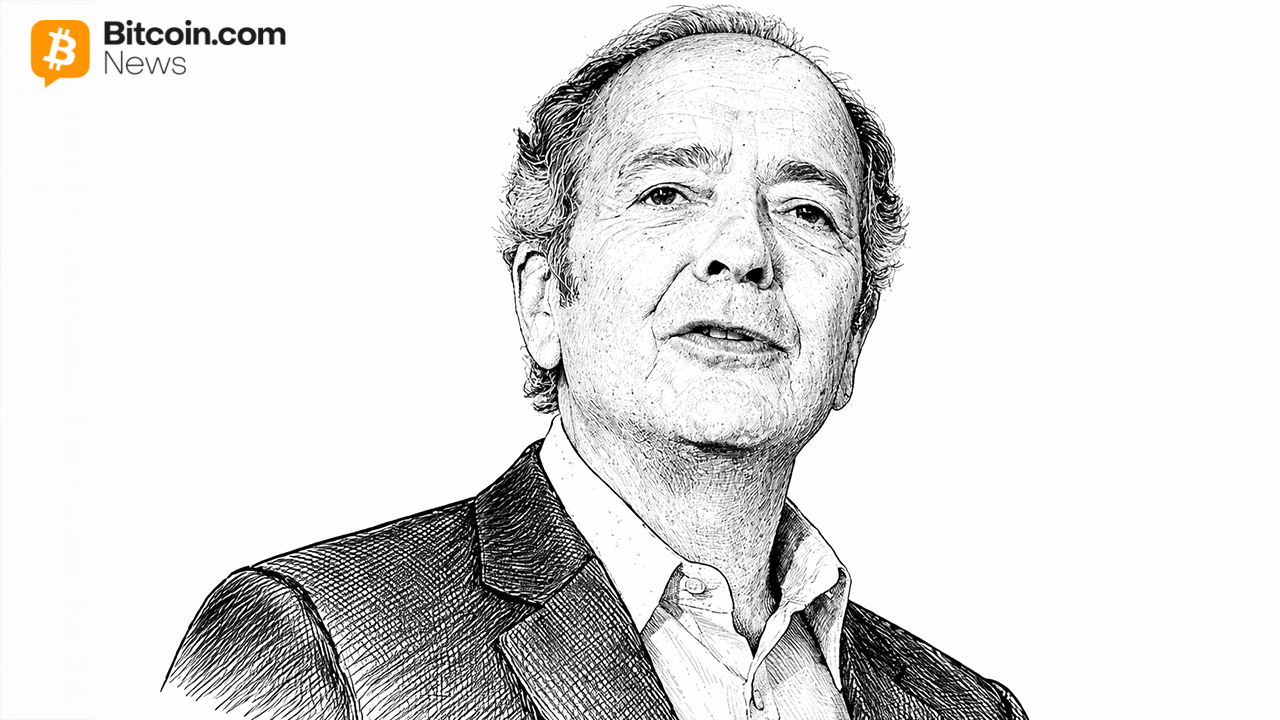
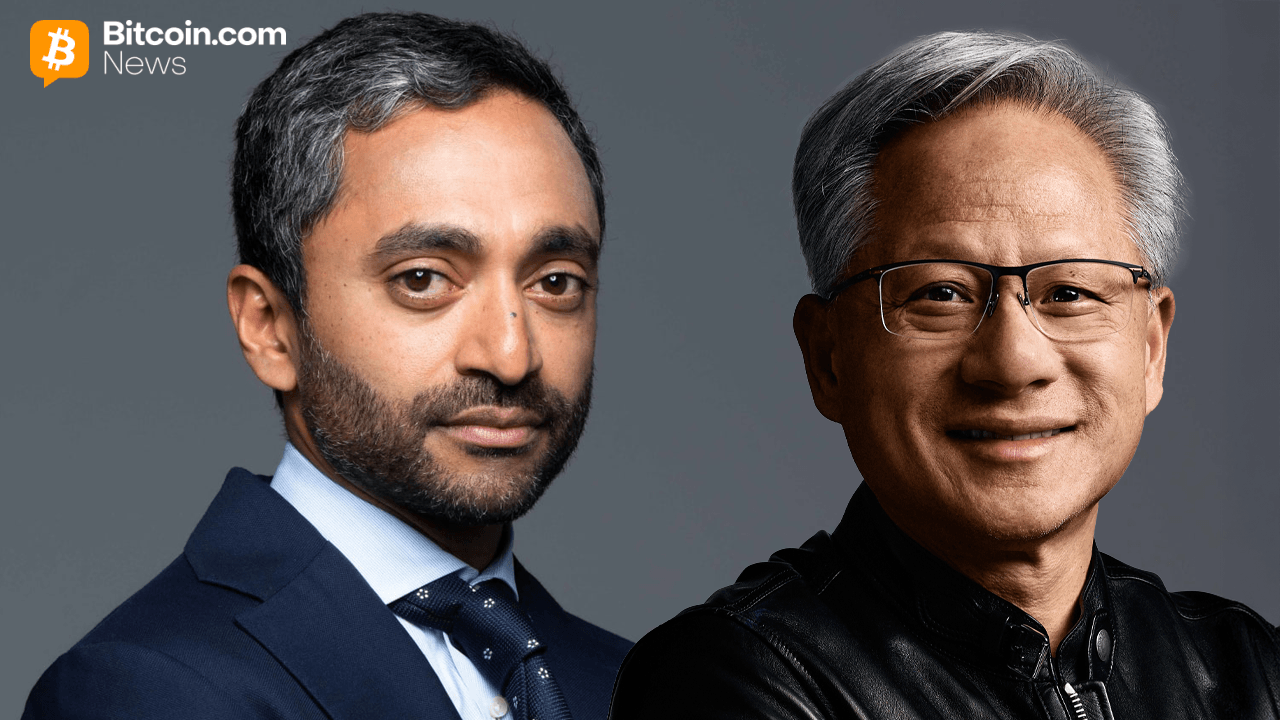
Membership spans Marc Andreessen, Sergey Brin, Safra Catz, Michael Dell, Jacob DeWitte, Fred Ehrsam, Larry Ellison, David Friedberg, Jensen Huang, John Martinis, Bob Mumgaard, Lisa Su, and Mark Zuckerberg. The council will be co-chaired by David Sacks and Michael Kratsios, aligning leadership across policy and industry expertise as the advisory group develops recommendations.
Crypto Influence Emerges in Federal Tech Strategy
Focus areas extend to how technological advancement intersects with workforce conditions and economic positioning. The White House stated:
“Under President Trump, PCAST will focus on topics related to the opportunities and challenges that emerging technologies present to the American workforce, and ensuring all Americans thrive in the Golden Age of Innovation.”
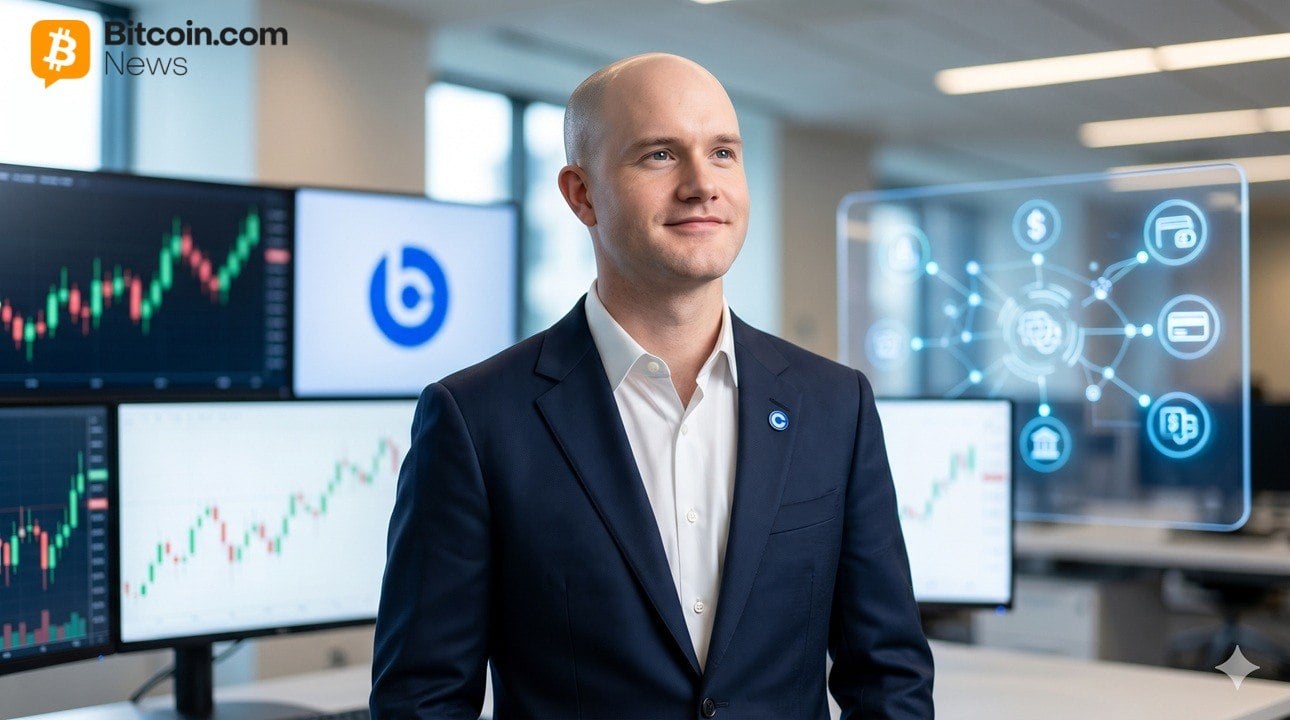
Several appointees and leaders tied to the council have established positions or involvement in digital assets, reflecting a notable overlap with crypto markets. David Sacks, who serves as the White House AI and crypto czar, has backed bitcoin as a non-fiat store of value and supported multiple blockchain ventures. Meanwhile, Fred Ehrsam, co-founder of Coinbase and Paradigm, Marc Andreessen, co-founder of Andreessen Horowitz, Larry Ellison, co-founder and chief technology officer of Oracle, David Friedberg, entrepreneur and investor, and Jensen Huang, chief executive officer of NVIDIA, have each either expressed support, pursued investment activity, or maintained operational exposure tied to crypto infrastructure, platforms, or development.
Structural elements outlined in the January 23, 2025, executive order place digital assets within the council’s remit through the inclusion of a Special Advisor for AI & crypto as a standing member and co-chair. The framework also directs the body to provide technical input for economic and national security policy while engaging stakeholders across industry, academia, and government, positioning crypto alongside other emerging technologies in broader innovation and competitiveness discussions.
FAQ 🧭
- Why does this council matter for investors?
It signals federal alignment between tech innovation, economic policy, and emerging sectors like crypto. - How does crypto factor into the council’s agenda?
Digital assets are embedded through leadership roles and policy advisory responsibilities tied to AI and innovation. - What industries could benefit most from this move?
Technology, AI, semiconductors, and blockchain sectors may see stronger policy support and visibility. - Does this indicate future crypto regulation changes?
It suggests crypto will be evaluated within national competitiveness and economic strategy discussions.