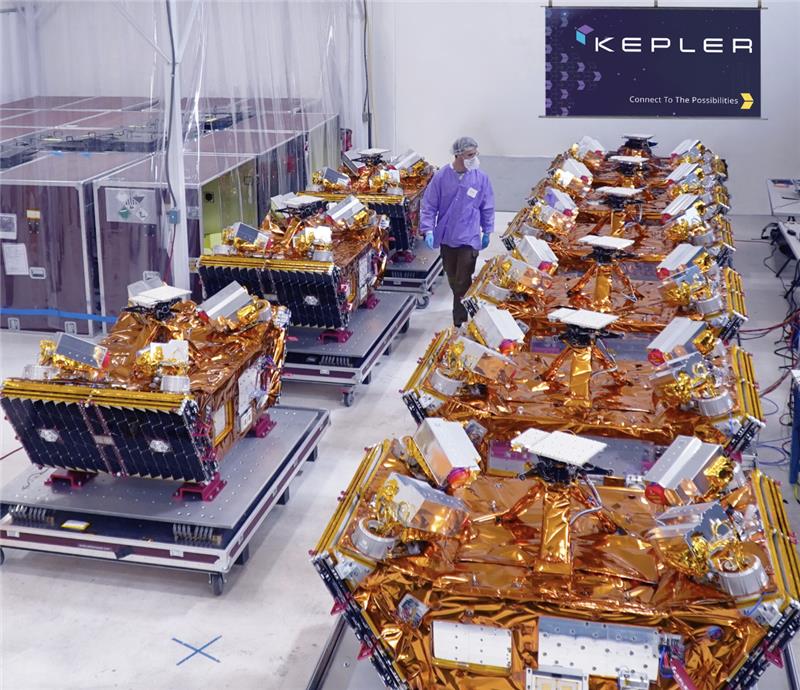
In late March, Russian company Bureau 1440 brought into low orbit the first 16 broadband internet satellites of the new Rassvet constellation, already dubbed by observers and local media the Russian answer to SpaceX’s Starlink. It’s an ambitious global internet project that experts say could conceal much broader strategic goals, with functions including military and communications control.
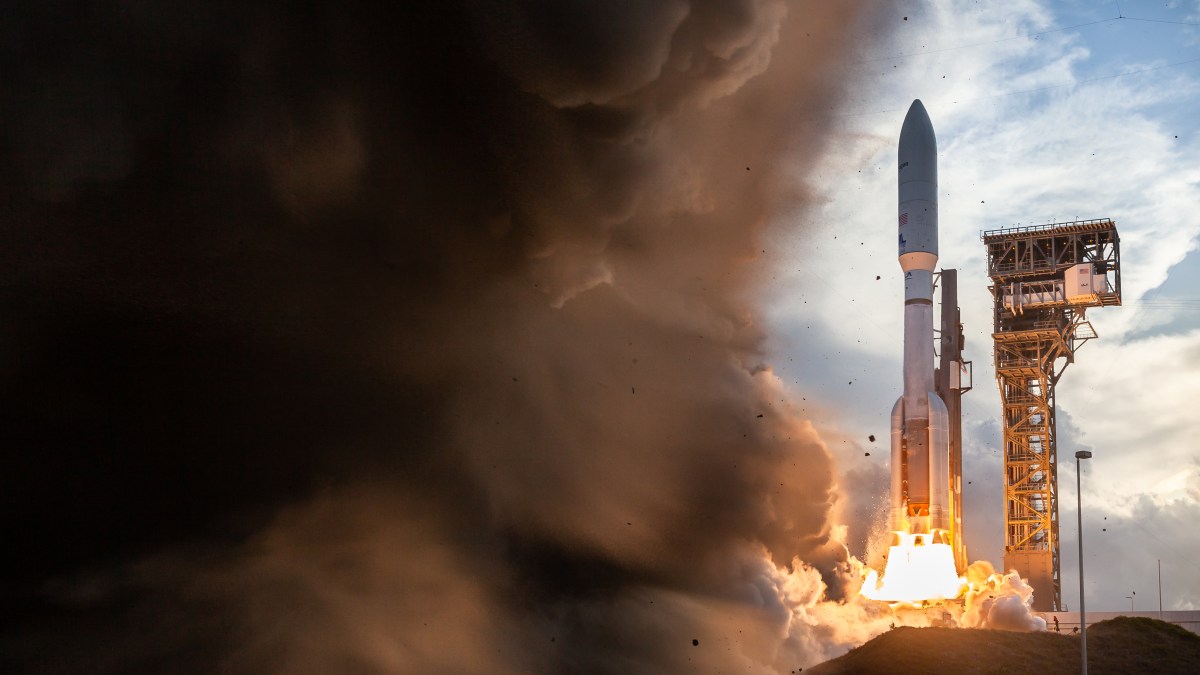
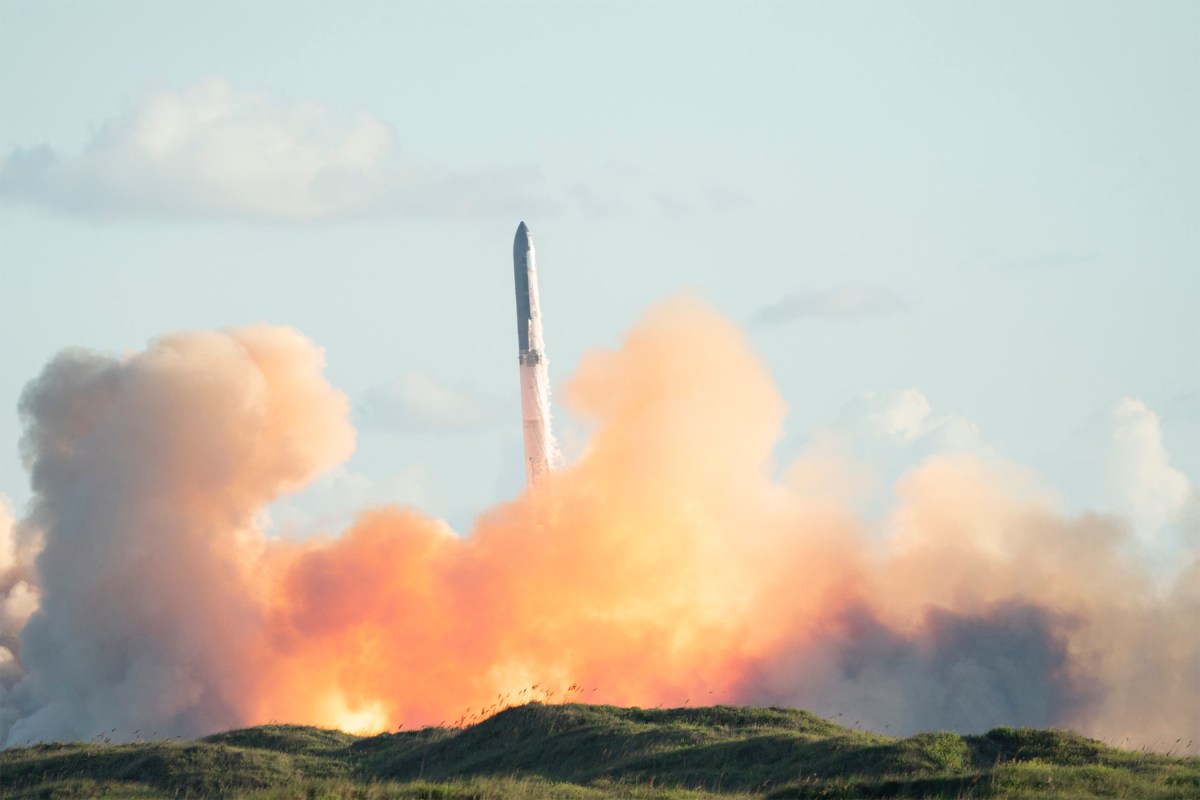
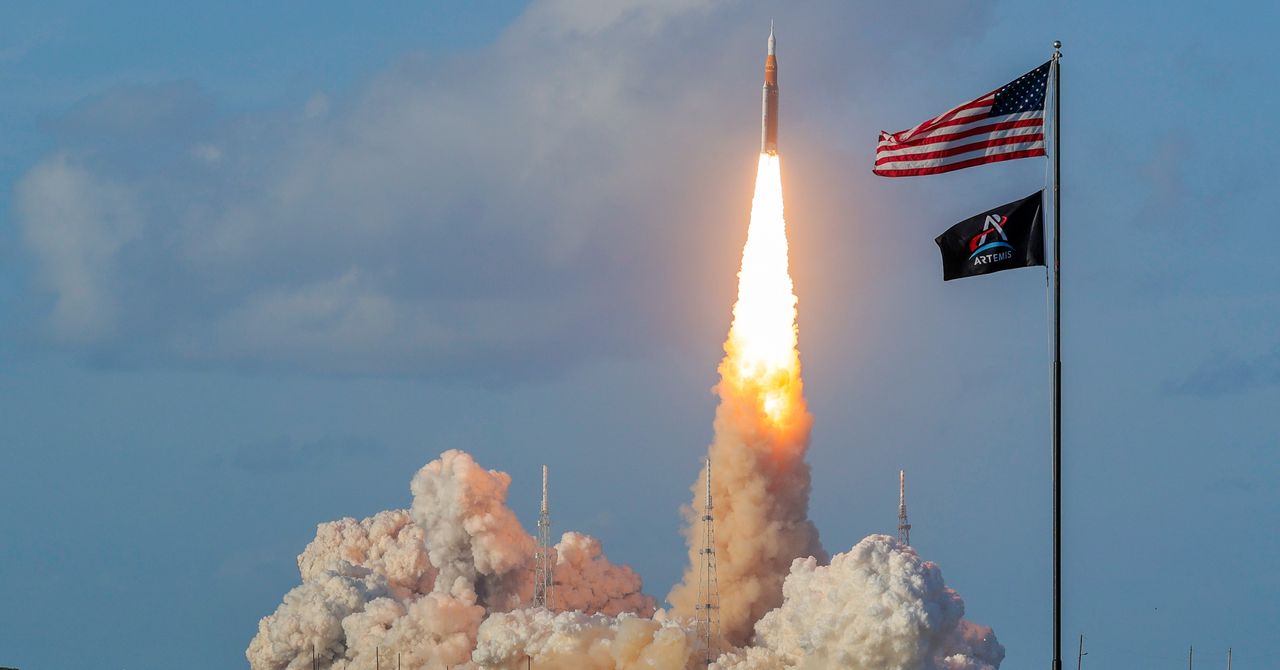
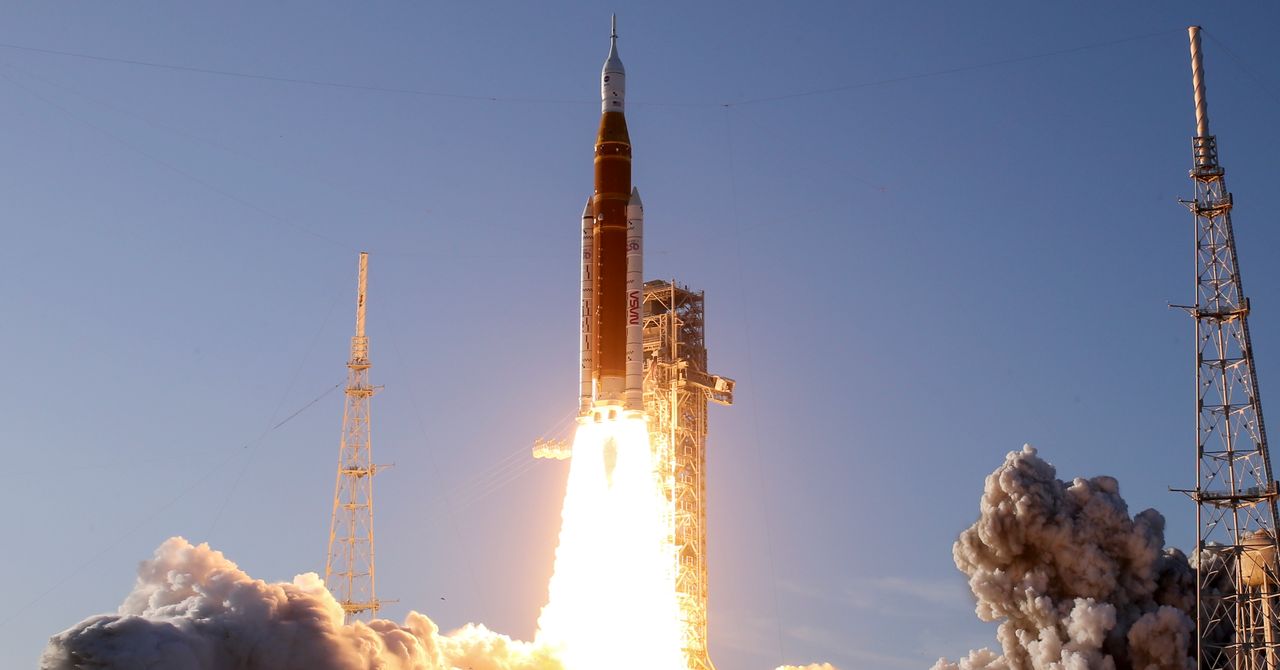
The launch took place on March 23 at 8:24 pm Moscow time from the military’s Plesetsk Cosmodrome using the Soyuz-2.1B launcher, and marked the first step in building an infrastructure that is expected to have at least 300 satellites by 2030.
“The launch marks the transition from the experimental phase to the creation of a communication service,” Bureau 1440 announced on Telegram. “The Bureau 1440 team completed this path in 1,000 days, which is the time between the launch of the experimental satellites and the production satellites.”
The goal of the project is to provide broadband internet access with speeds of up to 1 gigabit per second for each user terminal and a signal latency time of up to 70 milliseconds.
The system has been repeatedly compared to Starlink, which in the war in Ukraine proved to be a vital tool for troop communications. Indeed, according to various reports, Kiev managed to disrupt the communications of some Russian units that relied on Starlink by imposing restrictions on unauthorized terminals.
In this context, then, the Rassvet project appears to be an attempt to build a sovereign satellite infrastructure that can potentially be used by civilians and military personnel alike.
Gunning for It
The dual-use nature of the Rassvet project is also apparent from some operational details. The launch of the satellites was carried out not by the Roscosmos space agency but by the Russian Defense Ministry through the Plesetsk Cosmodrome.
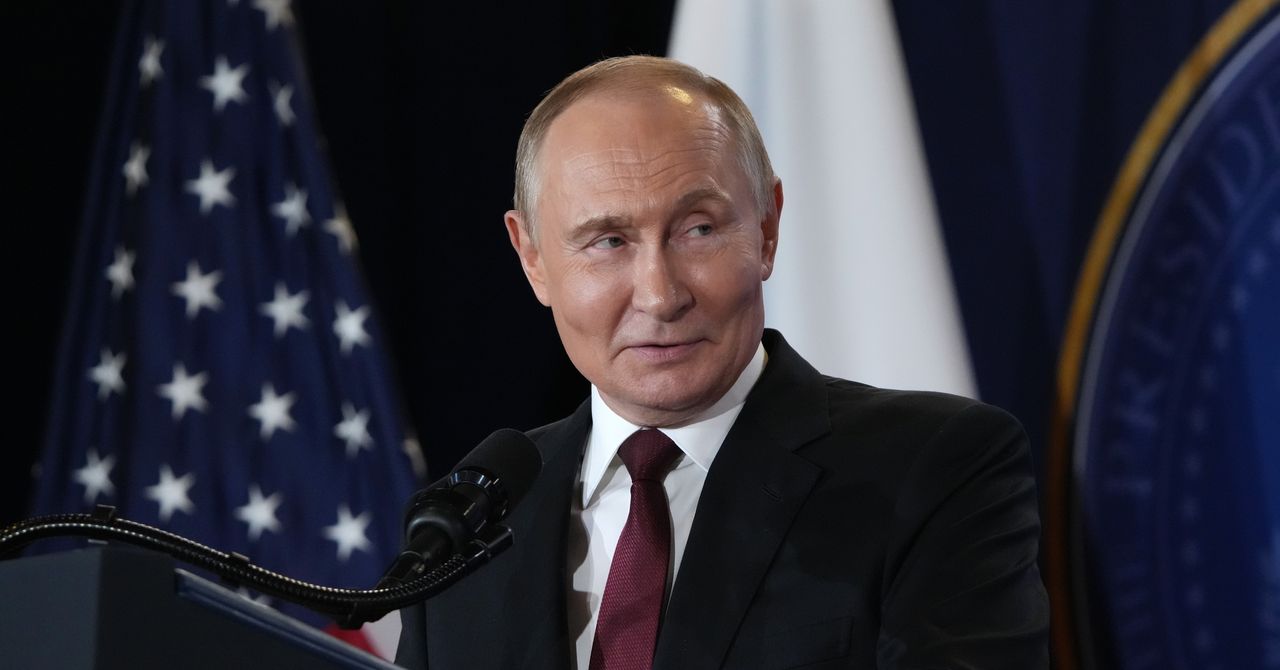
A few days after the launch, Russian president Vladimir Putin called the launch of the new constellation “a great event,” while Roscosmos director Dmitry Bakanov said the Cosmodrome would suffer “attempted attacks” on the day of the launch.
“Like all satellites intended for communications, they are also capable of military functions, and given the high effectiveness of Starlink’s use on the battlefield, Rassvet will also find use there,” says Vitalij Egorov, a space expert and host of the YouTube channel Otkrytyj Kosmos Zelenogo Kota, or The Open Universe of the Green Cat.
The size of the Rassvet terminals—several times larger and heavier than those in Starlink—may cause some limitations to the network, Egorov says. “Still, the fact that Rassvet’s ‘private satellites’ were launched from the Plesetsk Cosmodrome shows the great interest the Russian Defense Ministry has in the success of this project. The Russian Ministry of Communications is also allocating funds for the project, which means that the state is directly participating in the Rassvet project.”
Independent Russian press reports funding for Rassvet of 100 billion rubles (about $1.34 billion) from the Russian Ministry of Communications, with the company reportedly ready to invest another 300 billion rubles.
Rassvet vs. Starlink
“Rassvet satellites are similar to those of Starlink,” Egorov says. “They are a constellation of satellites for internet transmission, but it would be more accurate to compare them more to the OneWeb system than to Starlink, because Rassvet is intended for commercial companies, state-owned companies, and government customers. In addition, Rassvet plans to reach … about 350 satellites by 2030, while Starlink already has thousands.”
The real challenge for Bureau 1440, then, will not be so much putting the first satellites into orbit as industrializing the system on a large scale, Egorov says. To get to a constellation of about 300 satellites in the next few years, the company would need to be able to produce one or two satellites a week—a pace the Russian space industry has never achieved. So far, Egorov notes, only Starlink and OneWeb have been able to sustain such serial production.