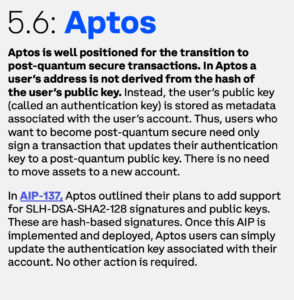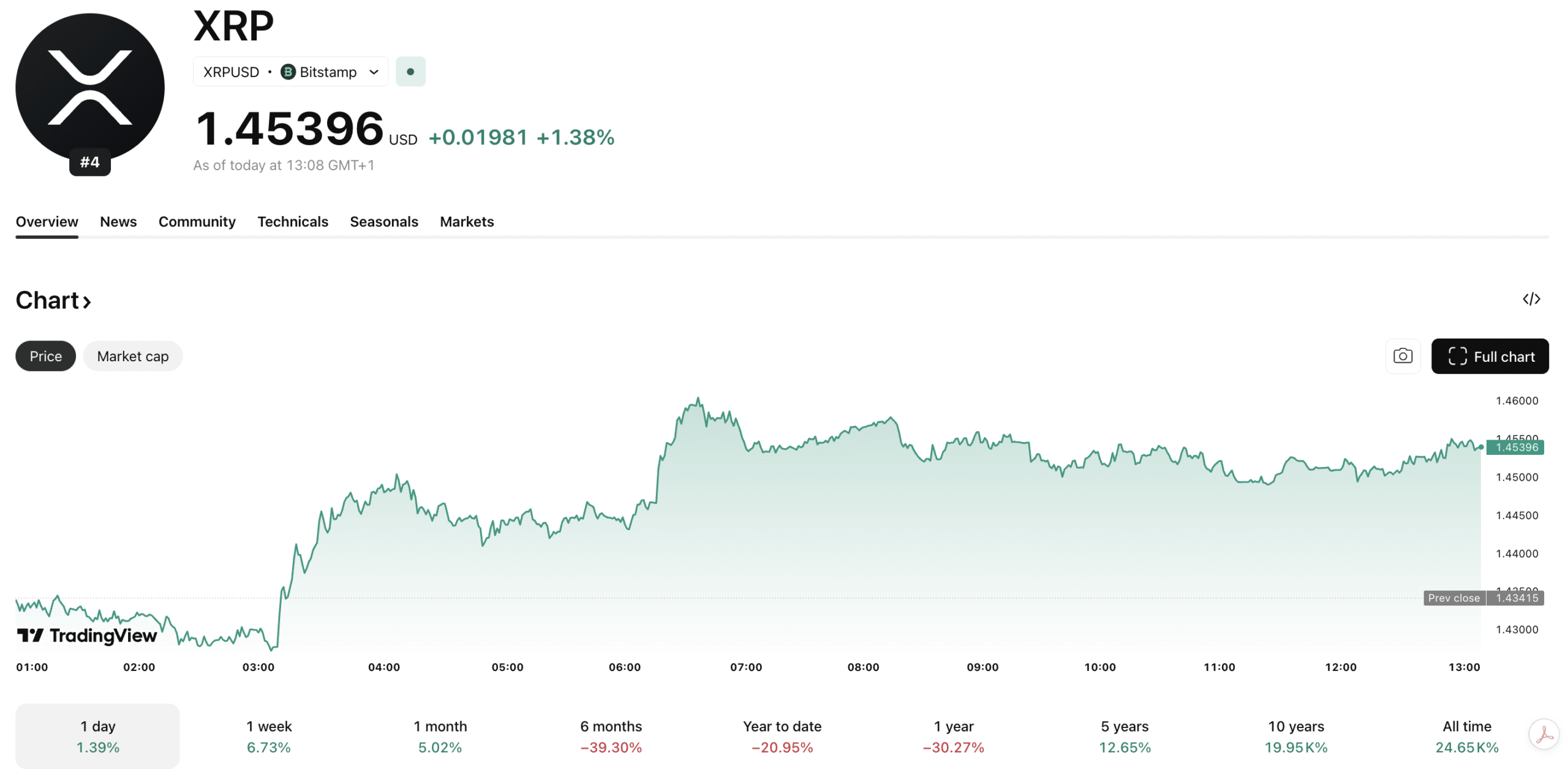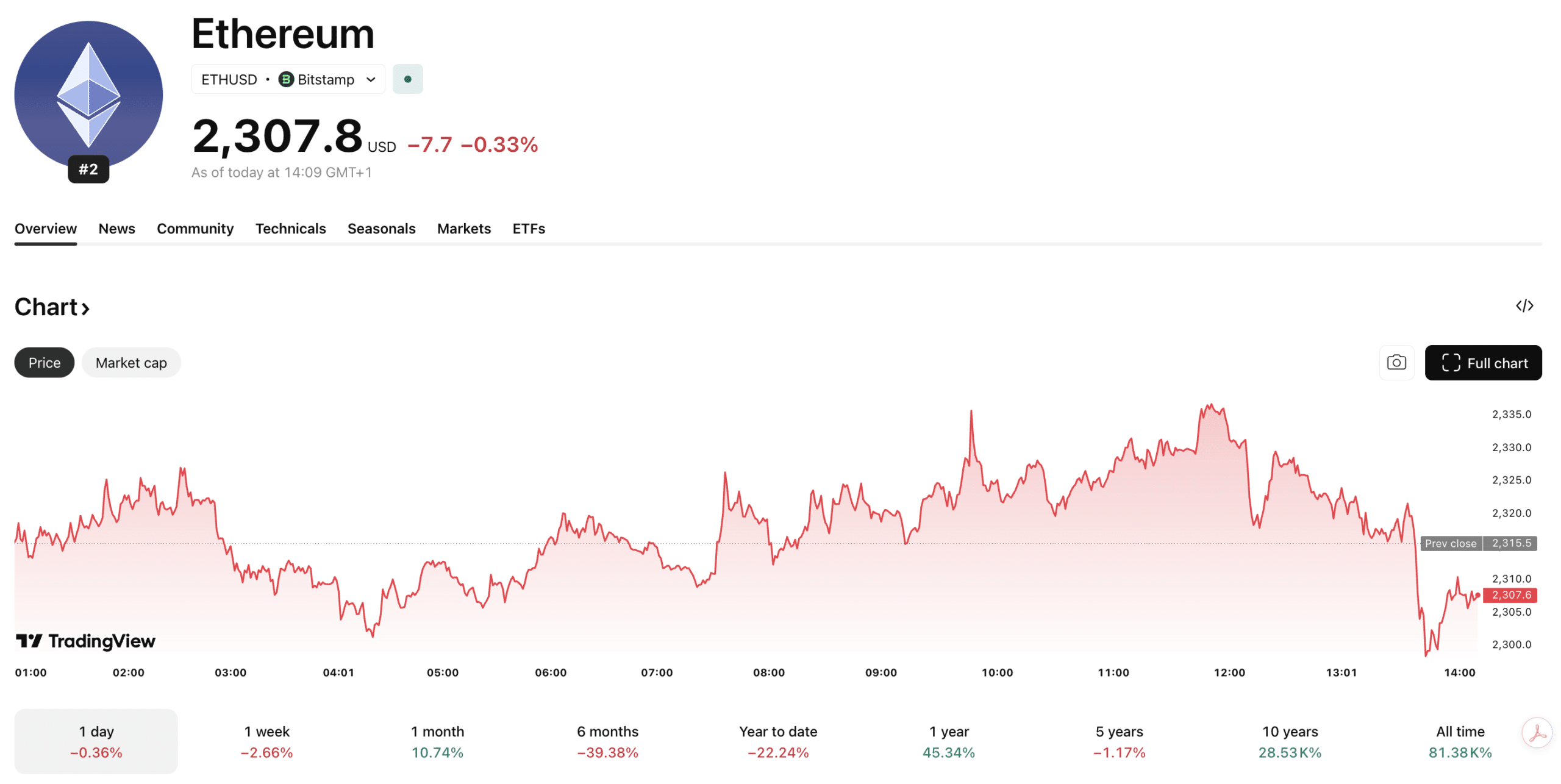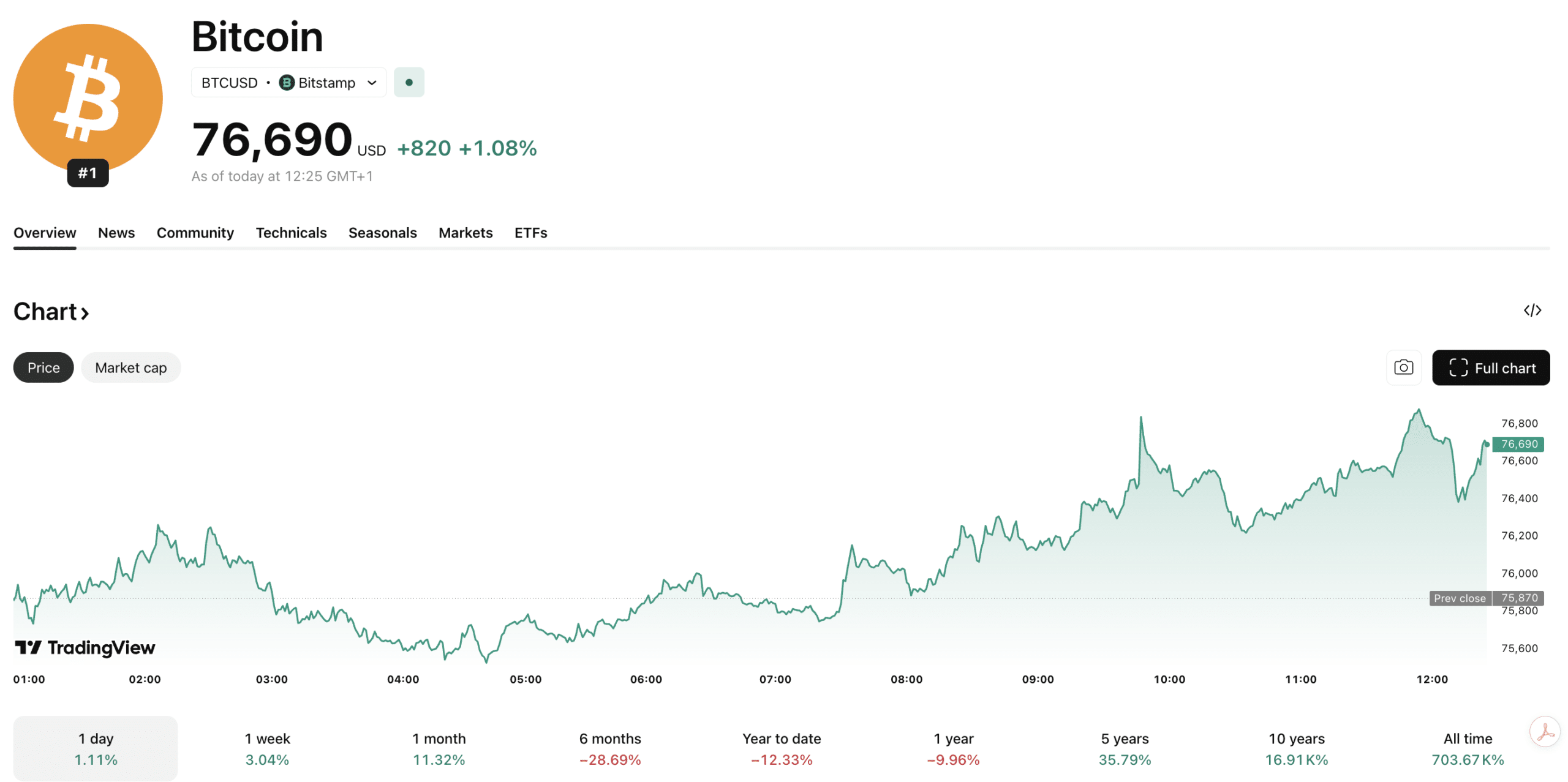


CNN has renewed attention on Q-Day, the unknown future point when quantum computers may become strong enough to break common encryption systems.
Summary
- Q-Day warnings renewed concern over encryption systems that protect internet traffic and crypto wallets today.
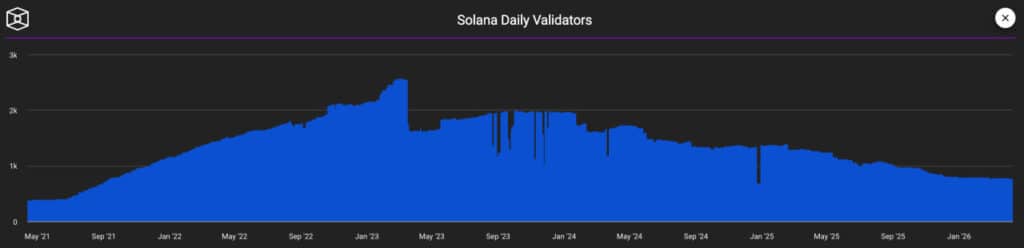
- Solana clients Anza and Firedancer already test Falcon signatures for future post-quantum network protection now.
- NEAR researchers warn quantum attacks could create ownership disputes if stolen assets move on-chain fast.
The report said current internet security still depends on mathematical systems that a powerful quantum computer could one day crack.
The concern also reaches crypto because many blockchains rely on public-key cryptography to protect wallets and verify transactions. CNN noted that bad actors may already collect encrypted data for “harvest now, decrypt later” attacks, where stored data could be decrypted once stronger quantum machines exist.
Crypto networks start testing defenses
Crypto.news recently reported that Solana validator clients Anza and Firedancer added early Falcon versions to prepare for possible quantum attacks. Falcon is a post-quantum signature tool designed to give Solana a path toward stronger protection if current cryptography becomes unsafe.
The Solana teams said the tool can be activated if needed and should not create a major performance burden. Jump Crypto said Falcon-512 has a smaller signature size than other selected post-quantum standards, which may help protect speed and storage efficiency.
NEAR warns about ownership disputes
Near One has raised a different concern. Its research team said quantum attacks may not only expose private keys, but also create disputes over who owns crypto after stolen funds move on-chain.
Near One CTO Anton Astafiev said networks may struggle to know whether a transaction came from the real owner or an attacker. The team is preparing a testnet rollout using FIPS-204 quantum-safe signatures by the end of Q2 2026.
NIST urges migration before threat arrives
The U.S. National Institute of Standards and Technology has already released three post-quantum encryption standards. NIST said administrators should begin moving to the new standards as soon as possible because current encryption may face future quantum attacks.
NIST also says organizations should identify where weak algorithms are used and plan upgrades to quantum-resistant systems. For crypto, that means wallets, validators, exchanges, bridges, and custody firms may need long-term migration plans before Q-Day becomes a real network risk.