
Key Takeaways
- People often respond to uncertainty by either gathering excessive information or acting impulsively.
- Making decisions requires commitment despite the presence of uncertainty.
- A clear sense of personal values aids in decision-making during uncertain times.
- Humans have a biological predisposition to seek certainty due to evolutionary factors.
- Despite a strong desire for certainty, humans are generally poor at predicting the future.
- Our predictions about the future are often unreliable, necessitating an acceptance of uncertainty.
- The reliance on technology for instant answers diminishes our ability to cope with uncertainty.
- Defining certainty anchors can help individuals manage uncertainty more effectively.
- Certainty can hinder adaptability in business, leading to missed opportunities.
- The pivot from a failed gaming company to Slack illustrates the importance of recognizing and seizing new opportunities.
- Embracing uncertainty can lead to significant success, as demonstrated by strategic business pivots.
- Understanding psychological responses to uncertainty can improve decision-making processes.
- The limitations of expert predictions highlight the importance of embracing uncertainty.
- Self-awareness and values are crucial for navigating uncertain situations confidently.
- The impact of technology on decision-making underscores the need for developing uncertainty coping skills.
Guest intro
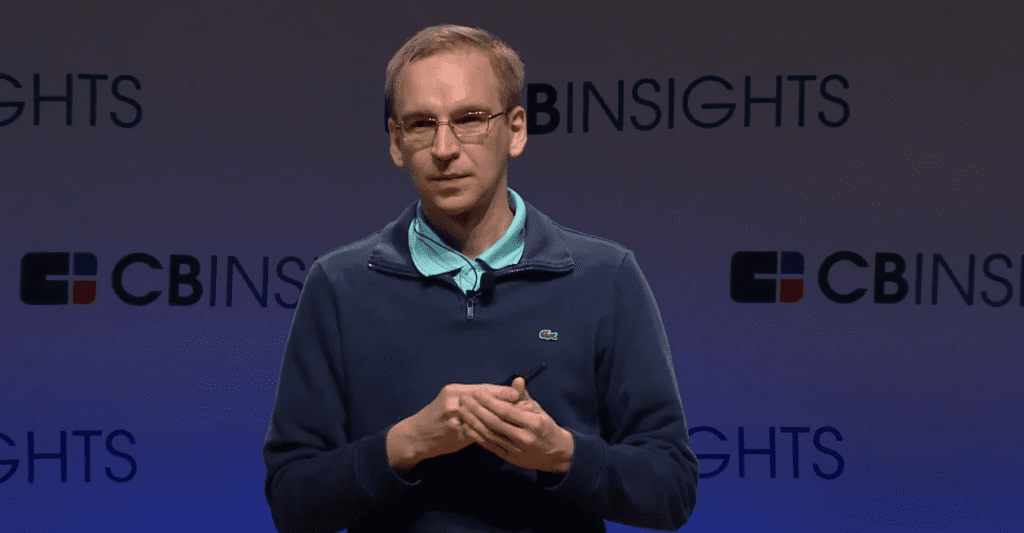
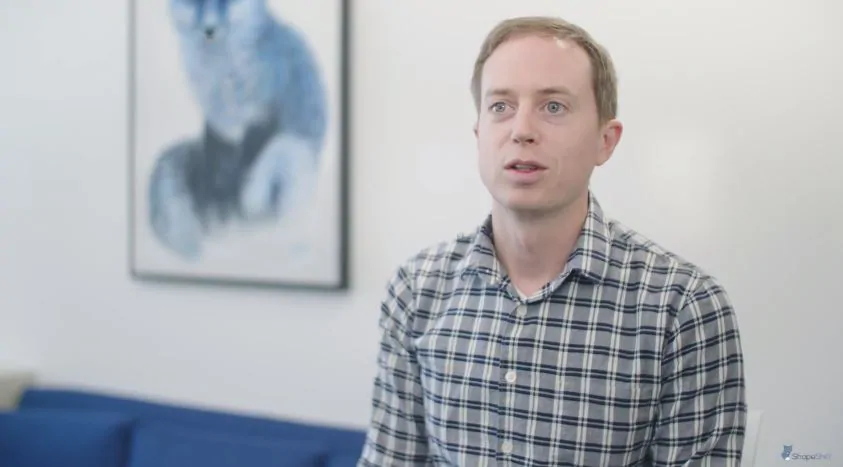
Simone Stolzoff is the author of How to Not Know. He spent years researching professional ambiguity, revealing how to reframe uncertainty as an opportunity rather than a threat. His work draws on insights from experts like Phil Tetlock to challenge our bias toward certainty.
Understanding psychological responses to uncertainty
- People often gather excessive information or act impulsively when faced with uncertainty. – Simone Stolzoff
-
When people are faced with an uncertainty they have either one or two main responses if they’re really uncomfortable with it they either try to gather as much information as they can they act super impulsively…
— Simone Stolzoff
- Understanding these responses is crucial for improving decision-making in uncertain situations.
- Psychological responses to uncertainty can impact relationships and career choices.
- Recognizing these patterns can lead to more informed and deliberate decision-making.
-
It’s important to understand how we react to uncertainty to make better decisions.
— Simone Stolzoff
- The framework of responses to uncertainty is applicable in various contexts.
- Awareness of these responses can help mitigate impulsive decision-making.
The role of commitment in decision-making
- Making decisions often requires commitment despite uncertainty. – Simone Stolzoff
-
I think the big misunderstanding is that treating uncertainty as a problem to be solved… you often have to make a decision and commit in spite of the uncertainty or the doubt that you feel.
— Simone Stolzoff
- Commitment is crucial for personal and professional growth in uncertain situations.
- Understanding the nature of decision-making can lead to more confident choices.
- The willingness to commit can drive progress even amidst doubt.
- Embracing uncertainty as part of the decision-making process is essential.
-
Commitment in decision-making is vital despite the presence of doubt.
— Simone Stolzoff
- The ability to commit can differentiate successful outcomes from stagnation.
The significance of personal values
- Having a clear sense of values helps in making decisions during uncertainty. – Simone Stolzoff
-
One of the things that I think is really important when we’re in these moments of uncertainty is to have a clear sense of who you are and what your values are.
— Simone Stolzoff
- Personal values guide decisions in challenging times, providing stability.
- Self-awareness and values lead to more confident decision-making.
- Values serve as a compass in navigating uncertain situations.
- Understanding one’s values can mitigate the stress of uncertainty.
-
Values are crucial in guiding decisions during uncertain times.
— Simone Stolzoff
- Aligning decisions with personal values enhances satisfaction and fulfillment.
Biological predispositions and certainty
- Humans have a biological predisposition to seek certainty due to evolutionary factors. – Simone Stolzoff
-
I think it’s biological… that uncertainty could potentially be lethal unless you find out what’s making that noise.
— Simone Stolzoff
- Evolutionary instincts influence modern decision-making behaviors.
- Understanding these predispositions can improve decision-making strategies.
- The desire for certainty is rooted in survival instincts.
-
Our biological instincts drive us to seek certainty.
— Simone Stolzoff
- Recognizing these instincts can help manage uncertainty more effectively.
- Evolutionary factors shape our responses to uncertainty in various contexts.
The unreliability of predictions
- Humans are generally poor at predicting the future, despite a strong desire for certainty. – Simone Stolzoff
-
The truth is humans are really bad at predicting the future… the average expert was roughly as accurate.
— Simone Stolzoff
- Our predictions about the future are often unreliable, necessitating an acceptance of uncertainty. – Simone Stolzoff
-
The truth is nothing in the future can be certain and so we have to become a little bit more comfortable with the uncertainty that we face.
— Simone Stolzoff
- The limitations of expert predictions highlight the importance of embracing uncertainty.
- Understanding the nature of uncertainty can lead to more realistic expectations.
-
Predictions are often unreliable, and embracing uncertainty is crucial.
— Simone Stolzoff
- Accepting uncertainty can reduce the stress associated with future outcomes.
Technology’s impact on decision-making
- The reliance on instant answers from technology diminishes our ability to cope with uncertainty in decision-making. – Simone Stolzoff
-
The problem is if I have a big decision that I can’t google or grok or chat gpt now what do I do right… it can create expectation.
— Simone Stolzoff
- Technology can create unrealistic expectations for immediate solutions.
- Developing skills to cope with uncertainty is essential in the digital age.
-
Reliance on technology affects our ability to handle uncertainty.
— Simone Stolzoff
- The psychological effects of technology reliance impact decision-making processes.
- Understanding technology’s role can lead to more balanced decision-making.
-
Technology’s impact on decision-making highlights the need for uncertainty coping skills.
— Simone Stolzoff
Strategies for managing uncertainty
- Defining certainty anchors helps individuals manage uncertainty in their lives. – Simone Stolzoff
-
One of the biggest pieces of advice I give for people when they’re in an uncertain situation is define what I call your certainty anchors… it makes it easier to hold uncertainty in other ways.
— Simone Stolzoff
- Certainty anchors provide stability during uncertain times.
- Developing personal strategies can improve resilience in the face of uncertainty.
-
Certainty anchors are crucial for managing uncertainty effectively.
— Simone Stolzoff
- Practical strategies for coping with uncertainty are relevant to many people’s experiences.
- Understanding the concept of certainty anchors can enhance decision-making confidence.
-
Defining certainty anchors can help individuals navigate uncertain situations.
— Simone Stolzoff
The impact of certainty on business adaptability
- Certainty can hinder adaptability in business, leading to missed opportunities. – Simone Stolzoff
-
I think there’s so many examples in the business world where people stay fixed to a very certain idea of how they think the future will look precludes them from being able to adapt.
— Simone Stolzoff
- Rigid thinking can lead to business failure by preventing adaptation.
- Embracing uncertainty can open doors to new opportunities and innovation.
-
Certainty in business can lead to missed opportunities.
— Simone Stolzoff
- Understanding the impact of certainty can enhance business strategy and success.
- Adaptability is crucial for thriving in a rapidly changing business environment.
-
Business adaptability requires embracing uncertainty and flexibility.
— Simone Stolzoff
Case study: The evolution of Slack
- The pivot from a failed gaming company to Slack illustrates the importance of recognizing and seizing new opportunities. – Simone Stolzoff
-
He decided to shut it down… and pivoted the business around something that was completely in a different industry… that communications tool ended up becoming slack.
— Simone Stolzoff
- Embracing uncertainty can lead to significant success, as demonstrated by strategic business pivots.
- Recognizing potential in unexpected areas can drive innovation and growth.
-
The evolution of Slack highlights the power of strategic pivoting.
— Simone Stolzoff
- Understanding the startup landscape can provide insights into successful business strategies.
- The case study exemplifies how embracing uncertainty can lead to substantial achievements.
-
Slack’s success story underscores the importance of seizing new opportunities.
— Simone Stolzoff