Key Takeaways
- AGA Q1 2026 outlook: 81% of gaming executives flag prediction markets as “very significant” threat.
- Four major operators exited AGA in six months: Draftkings, Fanduel, Fanatics, and bet365.
- Senate Commerce subcommittee opens first prediction-markets hearing on May 20.
Fractured Lobbying Landscape Augurs Competition in Heightened Regulatory Environment
The AGA survey states that executive sentiment hit its highest level since the third quarter of 2022, with a 21.4% net positive outlook across key business indicators. The association’s Gaming Conditions Index – a composite of revenue, employment, wages, executive sentiment, and casino hotel event activity – is up 1.5% year-over-year, and more than 60% of the executives surveyed said they expect higher revenues, stronger balance sheets, and increased capital investment over the next 6-12-month period.
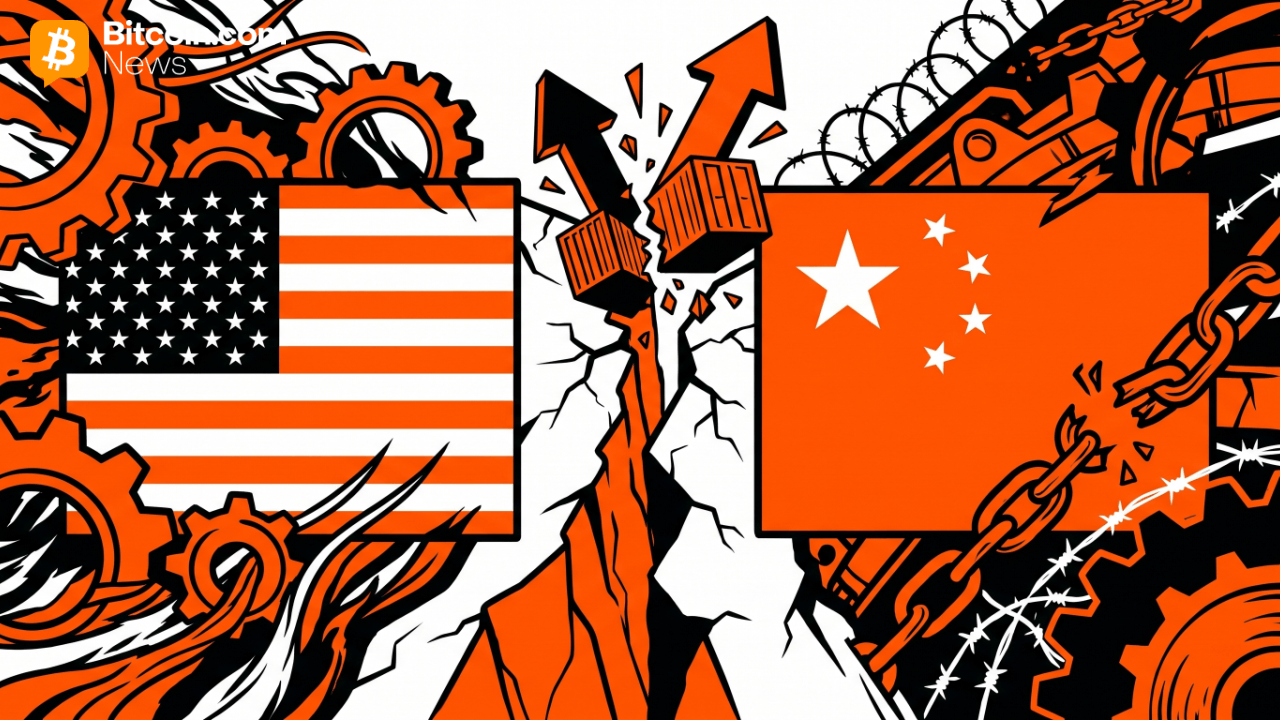
However, the picture changes when the discussion shifts to a rapidly growing competitor. 81% of respondents identified prediction markets offering sports event contracts as a “very significant” risk to the regulated gaming industry. AGA president and CEO Bill Miller framed prediction markets in his statement as an encroachment on legal, state-regulated, and tribal-regulated operators, characterizing sports event contracts as a form of illegal sports betting that the industry intends to keep contesting.
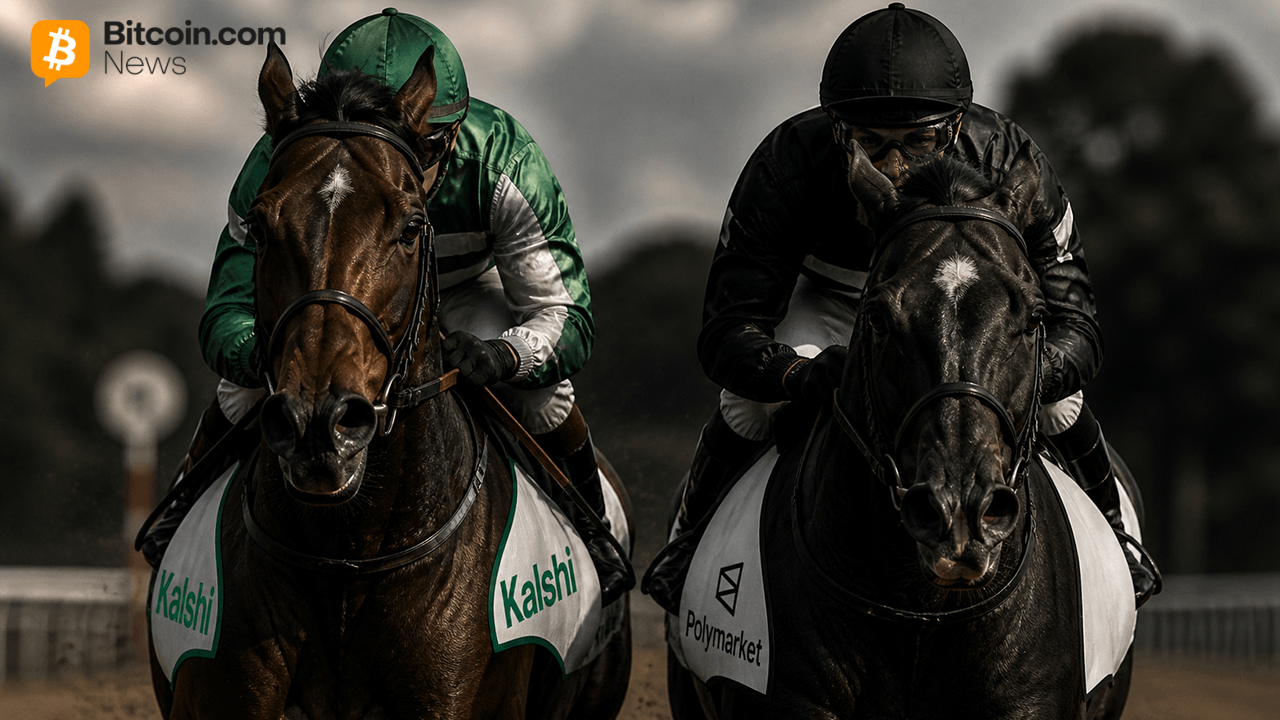
This posture is consistent with the AGA’s previous approach to actors like Kalshi and Polymarket, but its membership – and therefore the lobbying clout – has significantly receded in the past half year. The exits began on November 18, 2025, when Draftkings and Fanduel confirmed in separate statements that they had relinquished their AGA memberships over misalignment with the trade group’s stance on prediction markets. Both operators had announced prediction-market plans during their Q3 2025 earnings calls – Draftkings through its Railbird acquisition and Fanduel via a Commodity Futures Trading Commission–regulated partnership with CME Group. Both products are now live: Draftkings Predictions launched December 19, 2025, across 38 states, while Fanduel Predicts launched three days later in five states with a phased national rollout.
Three weeks later, Fanatics Betting and Gaming also confirmed its withdrawal, citing the same reason – a difference of opinion on prediction markets following the December 3 launch of its Fanatics Markets product. The same week, the Sports Betting Alliance announced that Joe Maloney – the AGA’s senior vice president of strategic communications – was moving over to lead the SBA as president and CEO. The crossover crystallized what had been an open question about the two trade groups’ relationship.
The SBA represents five online operators – of which three actively offer prediction-market products, one (BetMGM) opposes them, and one (bet365) has not stated a position – and consequently does not take a unified position on the vertical itself. The two groups now sit on opposite sides of the federal lobbying calculus on prediction markets. The structural outcome is that the association enters the back half of 2026 with no purely online operator remaining in its membership, while the SBA – led by a former AGA executive – now carries the lobbying weight for the country’s largest online sportsbooks.
Not everyone broke ranks with the AGA because of prediction-market disputes. Notably, bet365 cited the trade group’s focus on the retail casino industry rather than any prediction-market dispute as the reason behind its departure from the association in March. An AGA spokesperson told SBC Americas this was “not a new development” and declined to specify timing.
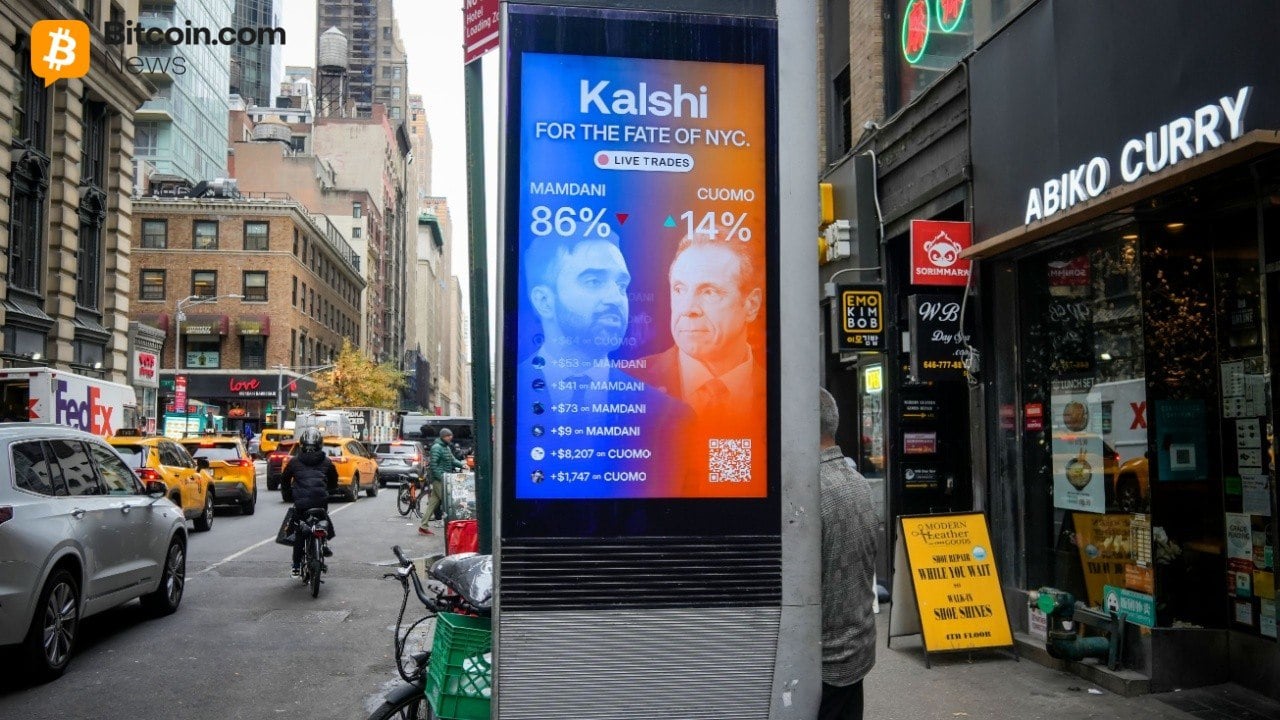
The lobbying landscape these operators are entering is more crowded than it was a year ago. Kalshi spent $615,000 on federal lobbying in 2025, according to OpenSecrets data cited by CNBC, while Polymarket spent $360,000. Last winter, Kalshi helped launch the Coalition for Prediction Markets, a trade group whose membership now includes Coinbase, Crypto.com, Robinhood, and Underdog. Per Sportico, the coalition expects to spend millions of dollars in 2026 to defend the CFTC-regulated framework for prediction markets. The membership composition represents a constituency without precedent in US gambling lobbying. Both Kalshi and Polymarket count Donald Trump Jr. as an advisor.
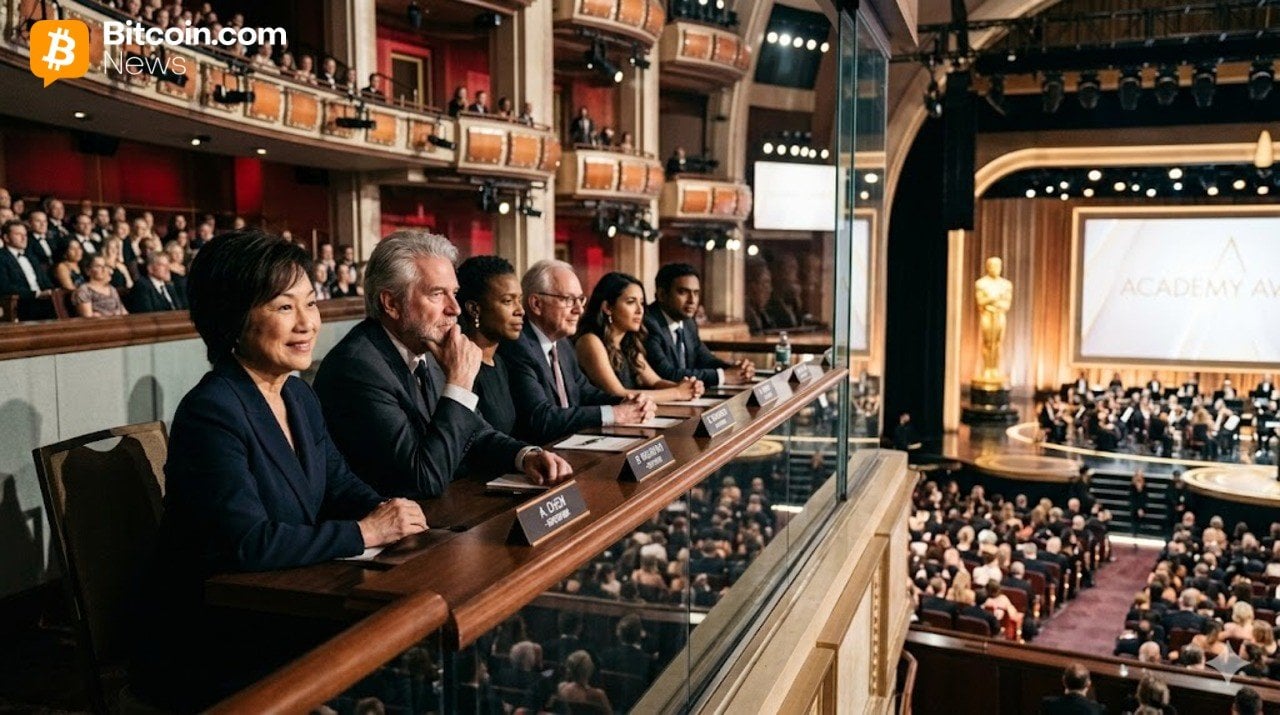
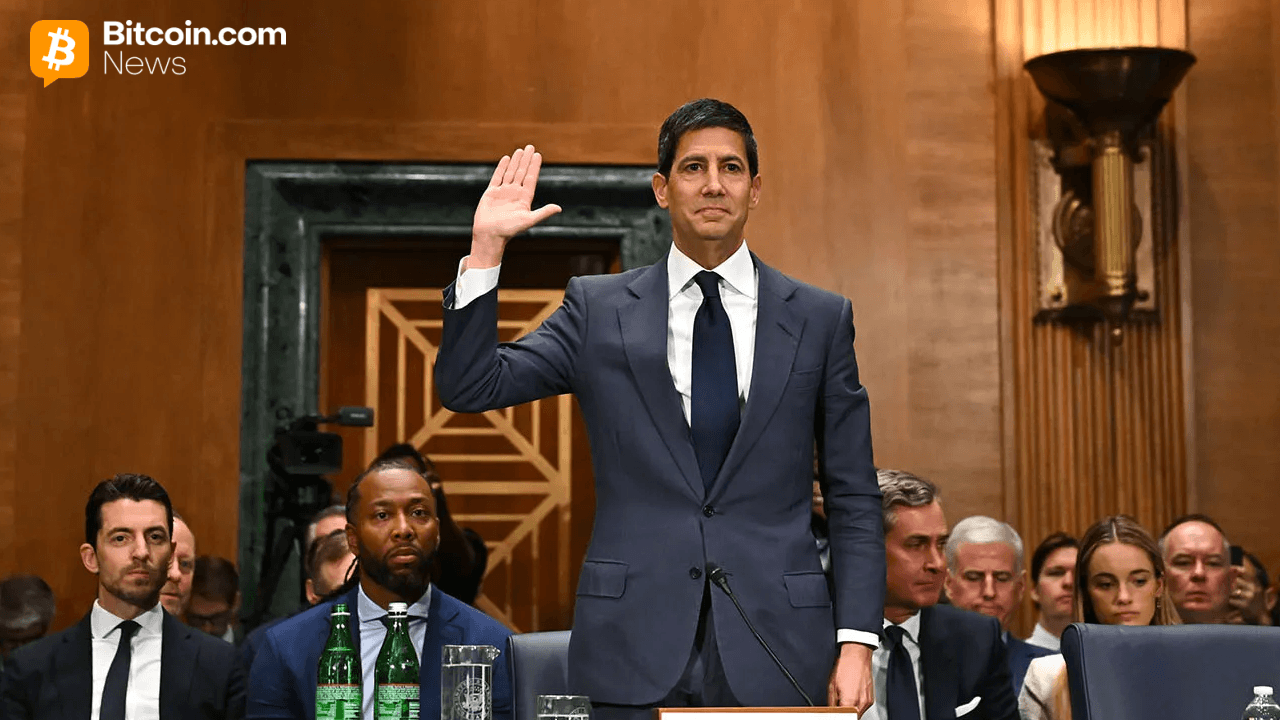
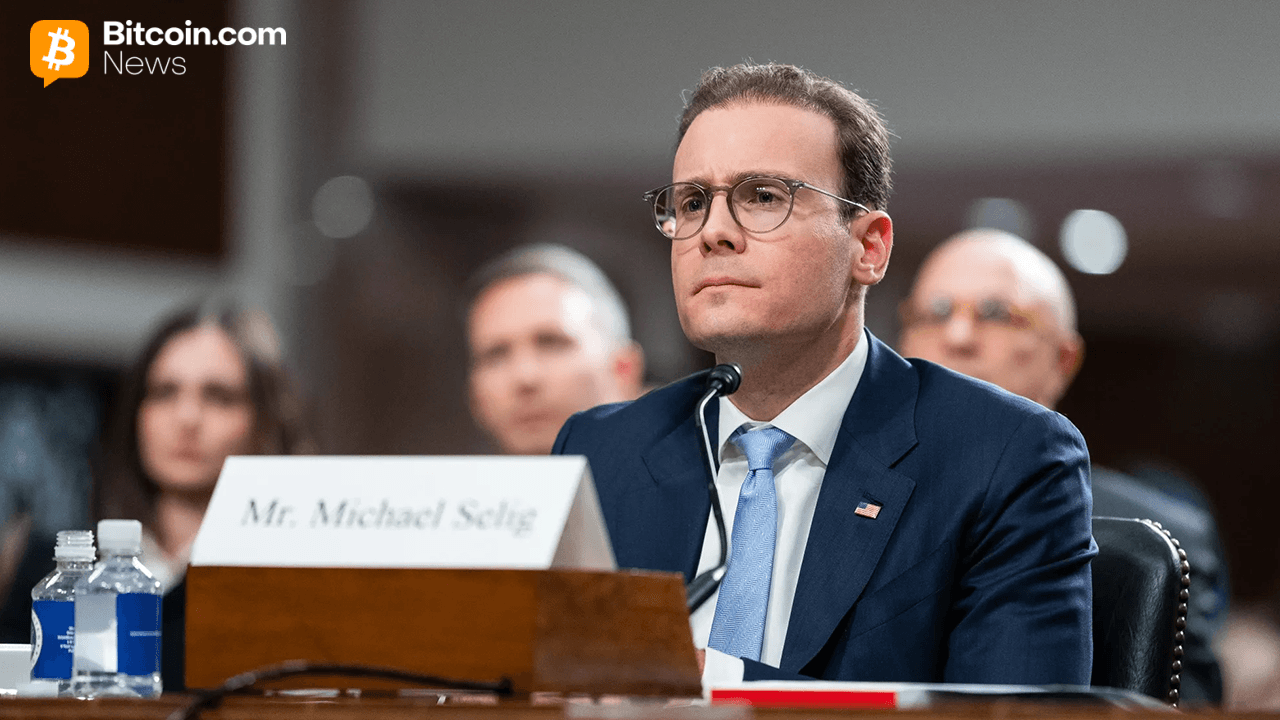
The next federal pressure point lands on May 20, when the Senate Commerce Subcommittee on Consumer Protection, Technology, and Data Privacy convenes its first hearing directly addressing prediction markets and their intersection with sports wagering. AGA president Bill Miller, Tennessee Sports Wagering Council executive director Mary Beth Thomas, Integrity Compliance 360 co-founder and CEO Scott Sadin, and former House Financial Services Committee chairman Patrick McHenry, now a senior advisor at the Coalition for Prediction Markets, are the confirmed witnesses at the time of writing.
Subcommittee chair Marsha Blackburn has indicated she intends to deliver a recommendation framework before the August recess, with the Senate Commerce and Banking Committees expected to reconcile competing approaches before the 2026 midterms consume the legislative calendar.
Several legislative vehicles are already in motion: the Event Contract Enforcement Act and the Prediction Markets are Gambling Act would jointly restrict sports-related contracts on federally regulated exchanges, with the Prediction Markets Security and Integrity Act of 2026 also under consideration. In late April, senators unanimously voted to ban themselves and their staff from participating in prediction markets.
The May 20 hearing will mark the first occasion on which the realigned lobbying ecosystem of the past six months tests itself before a Senate body – and the first time the AGA’s narrowed coalition argues its position without the country’s largest online sportsbooks at the table.