Key Takeaways
- AARP supported Section 205 because cryptocurrency kiosks are linked to fraud against older Americans.
- Losses cited by the group exceeded $389 million across more than 13,460 complaints.
- Lawmakers may weigh federal registration rules while preserving state authority over kiosk safeguards.
AARP Backs Section 205 Ahead of CLARITY Act Markup
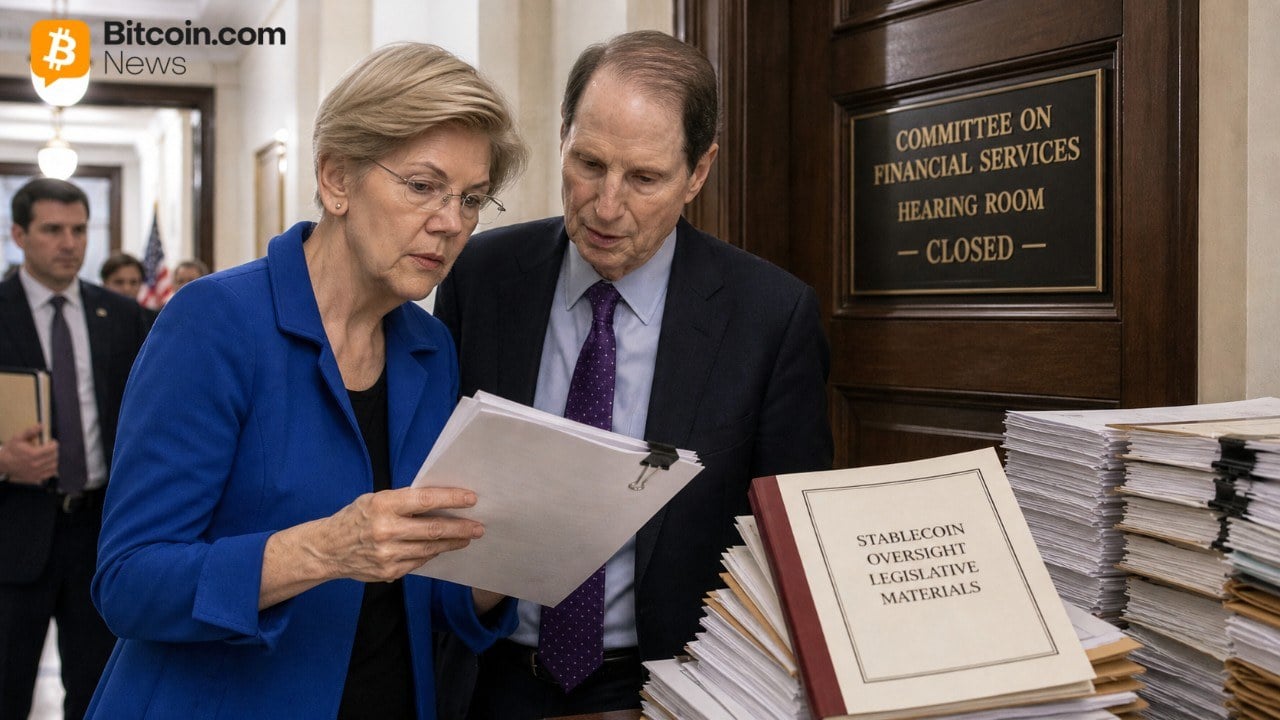
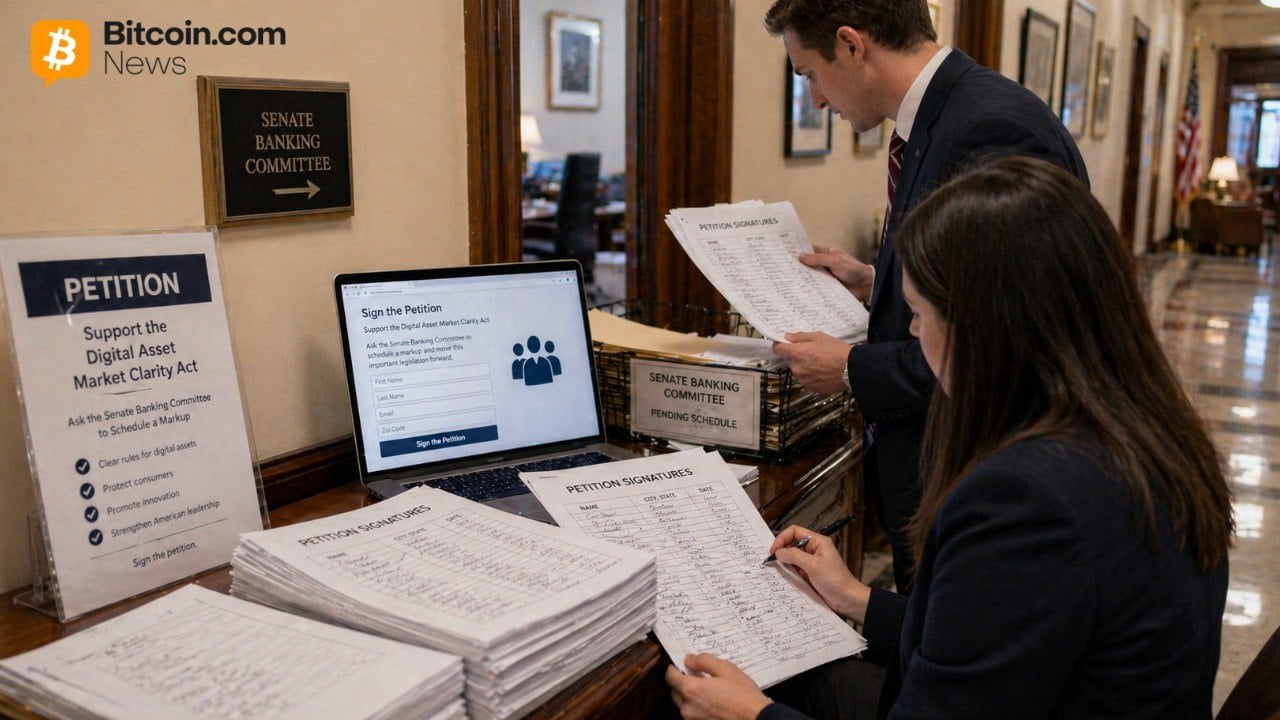
AARP, the nation’s largest nonprofit, nonpartisan organization that advocates for 125 million Americans age 50 and older, expressed strong support for provisions in the CLARITY Act market structure legislation released ahead of the Senate Banking Committee’s May 14 markup. The group urged lawmakers to preserve Section 205, which would require cryptocurrency kiosk operators to register with the Treasury Department as money transmitters while protecting state power to regulate the machines.
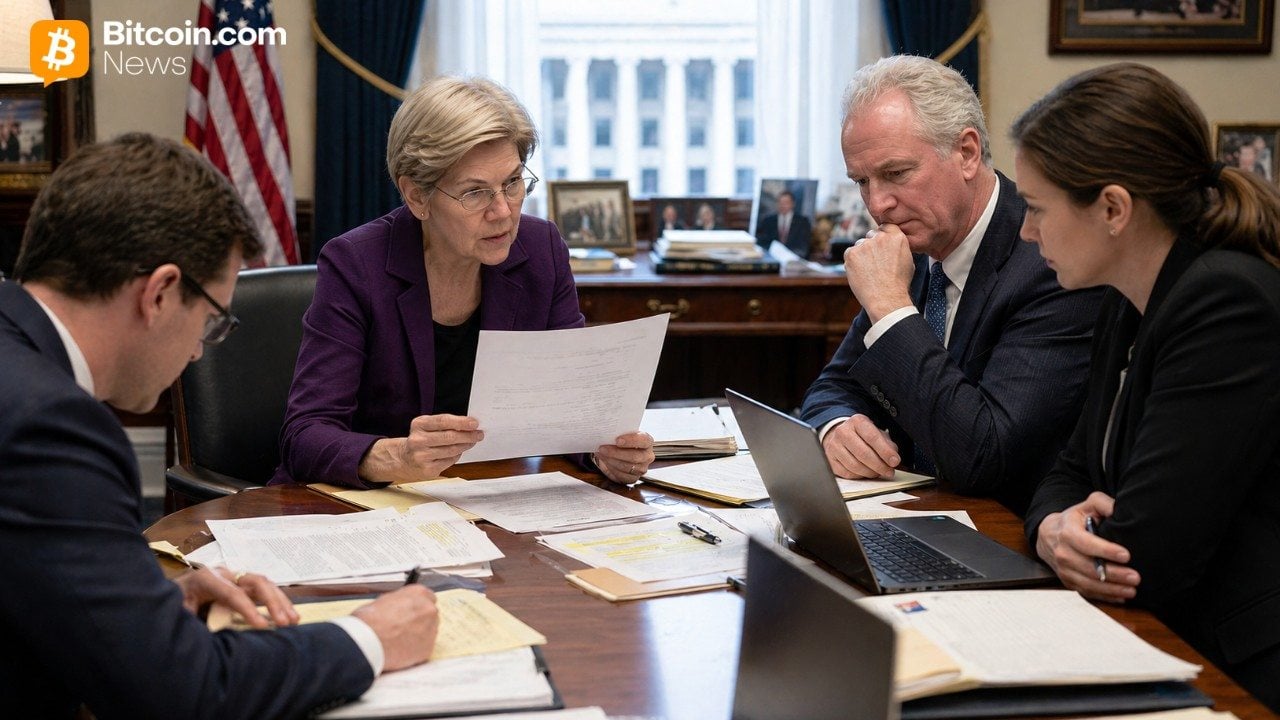
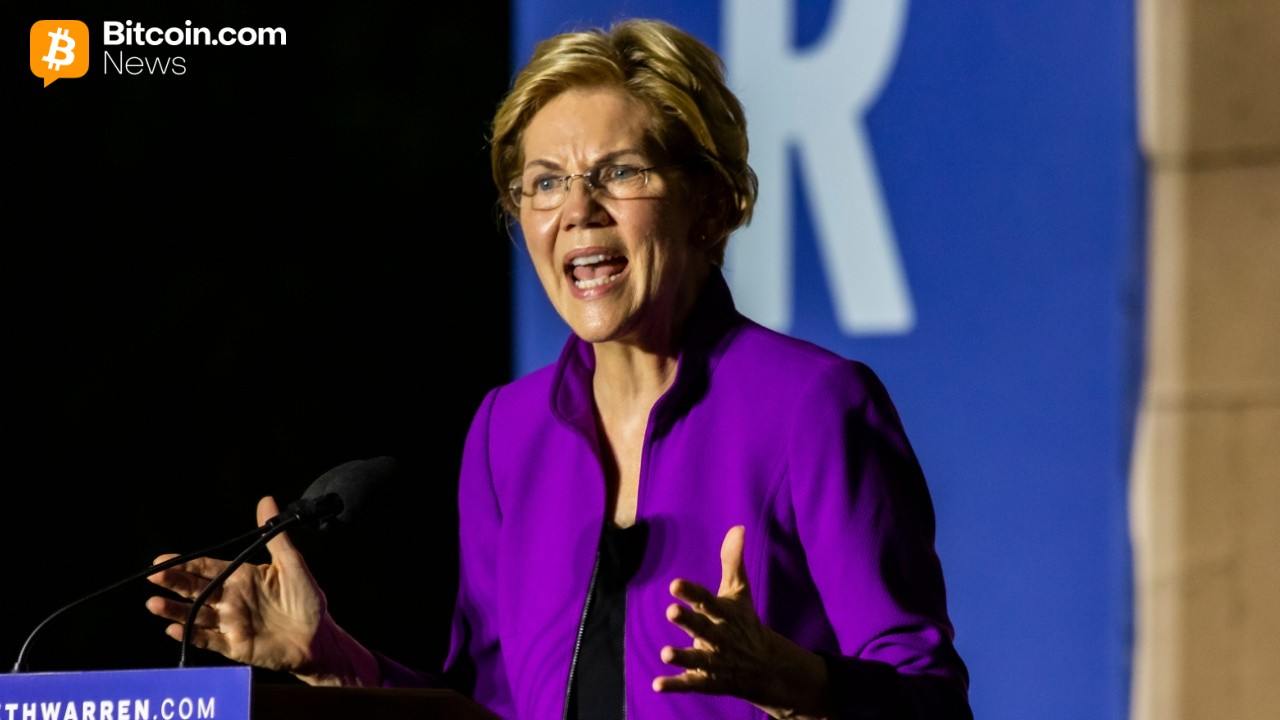
In a letter dated May 13 from Bill Sweeney, AARP’s senior vice president of government affairs, to Chairman Tim Scott and Ranking Member Elizabeth Warren, the group described Section 205 as a critical safeguard against cryptocurrency kiosk fraud targeting older Americans. The letter urged lawmakers to preserve both the Treasury registration requirement and the provision protecting state regulatory authority as the bill advances through markup and beyond. AARP described cryptocurrency kiosks as one of the fastest-growing fraud vectors affecting older Americans. The organization also thanked the committee for incorporating the language into the legislation released before the markup.
AARP wrote:
“We write to express our strong support for provisions in the market structure legislation released ahead of the Committee’s markup.”
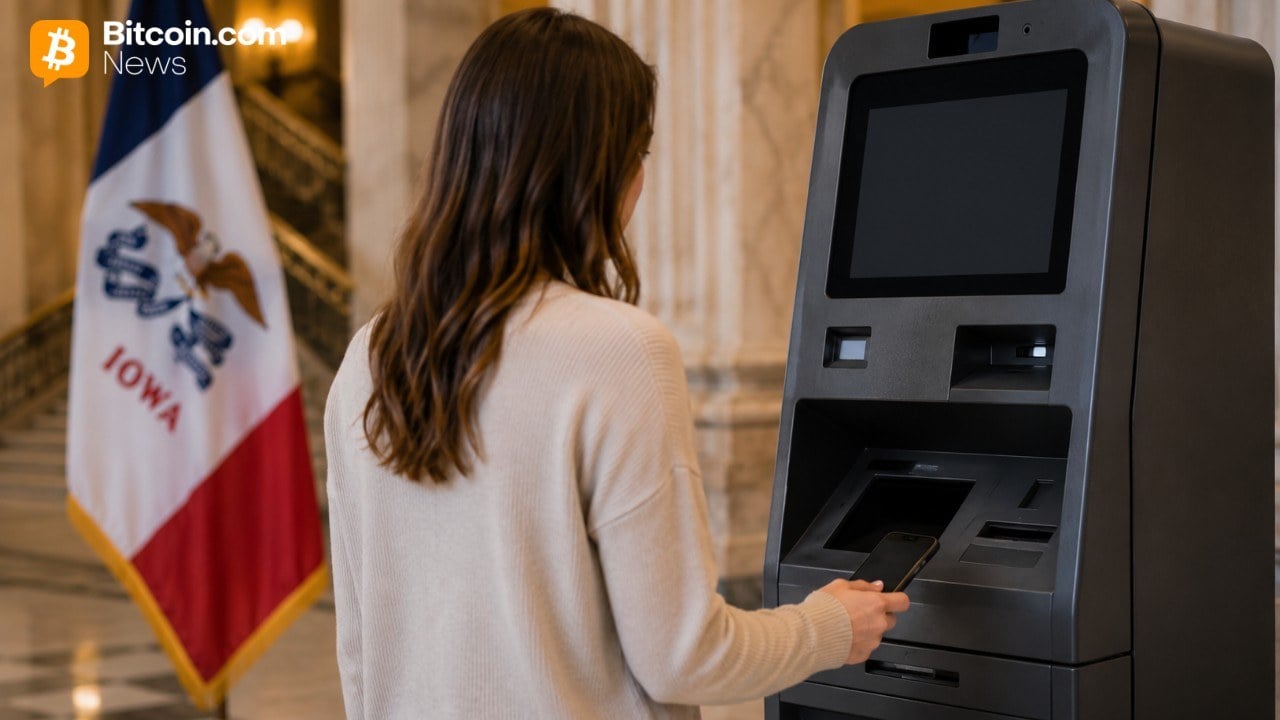
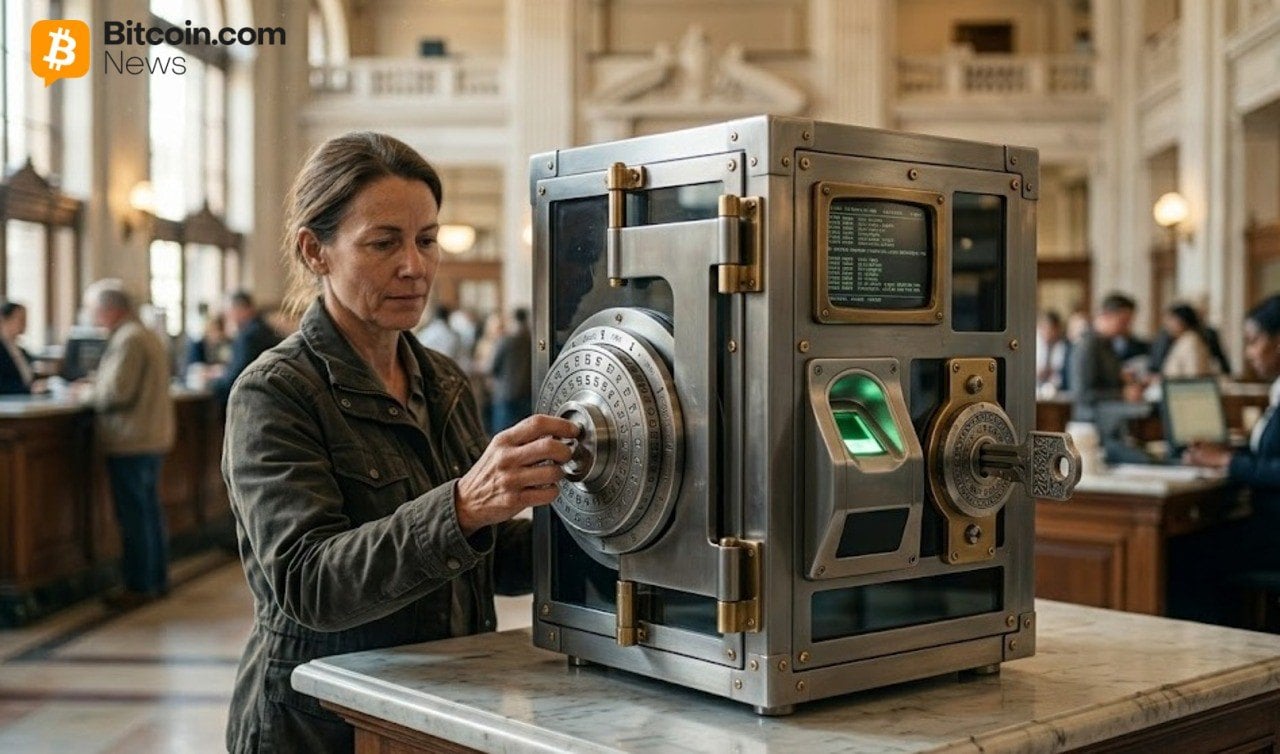
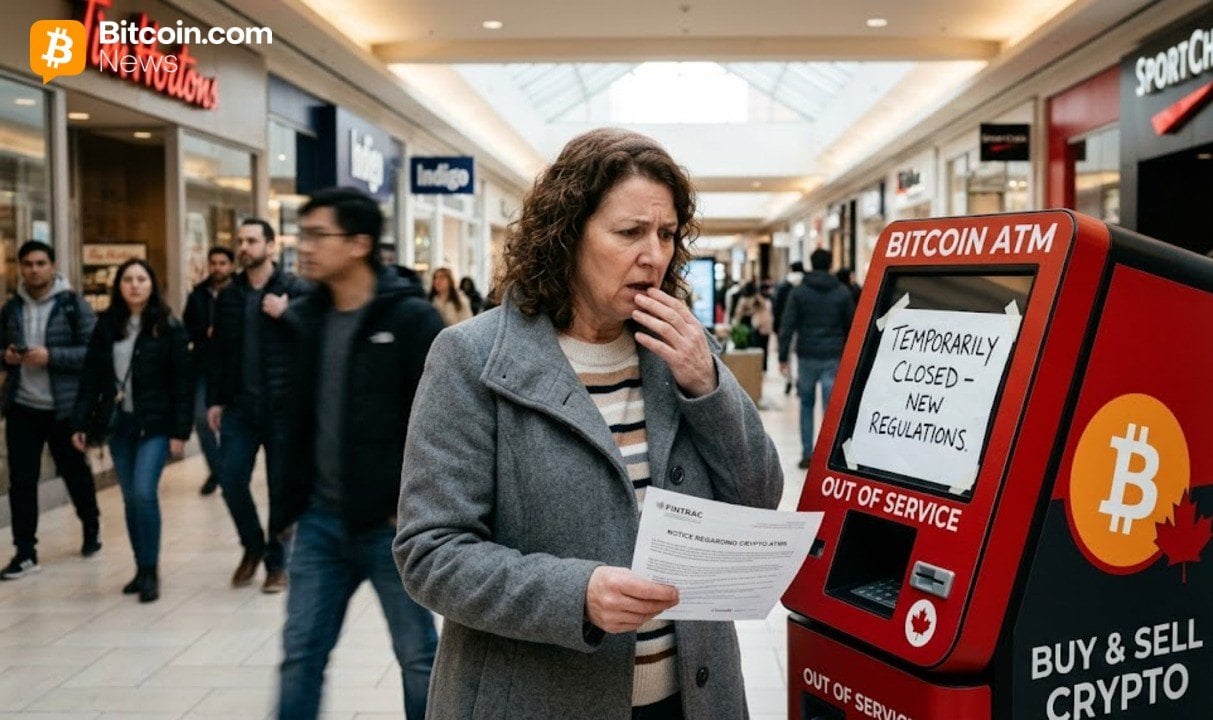
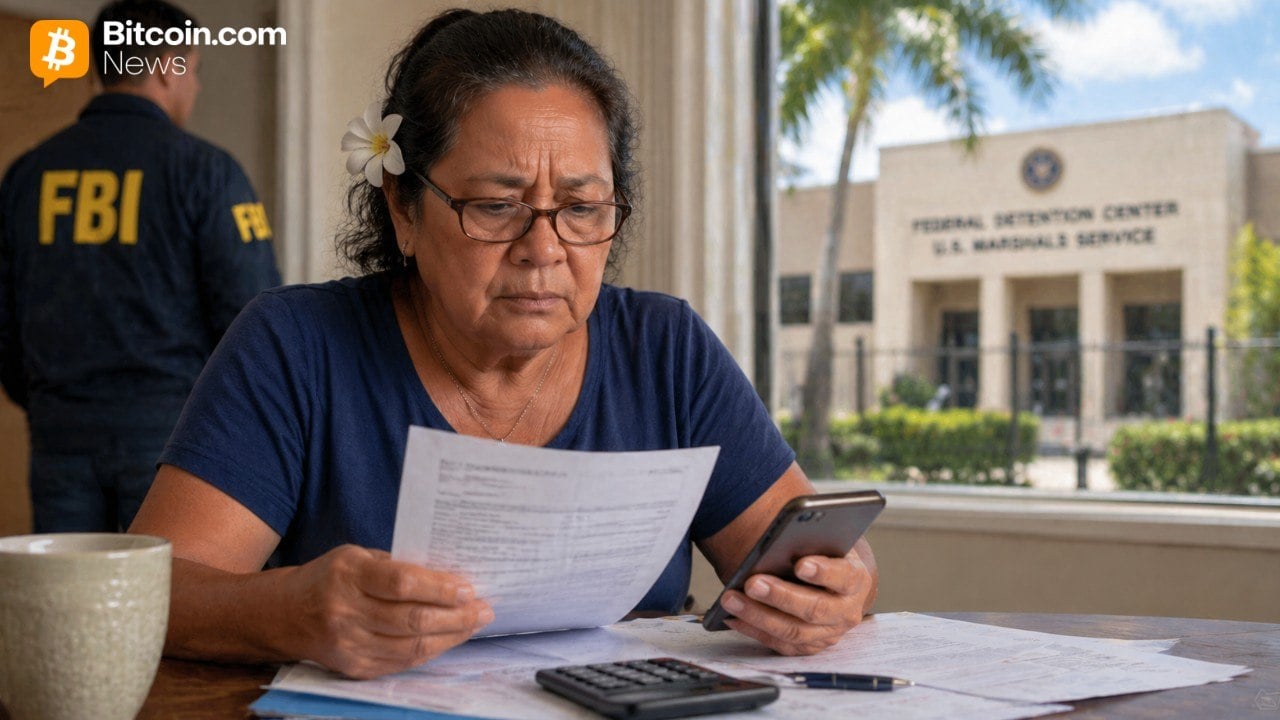
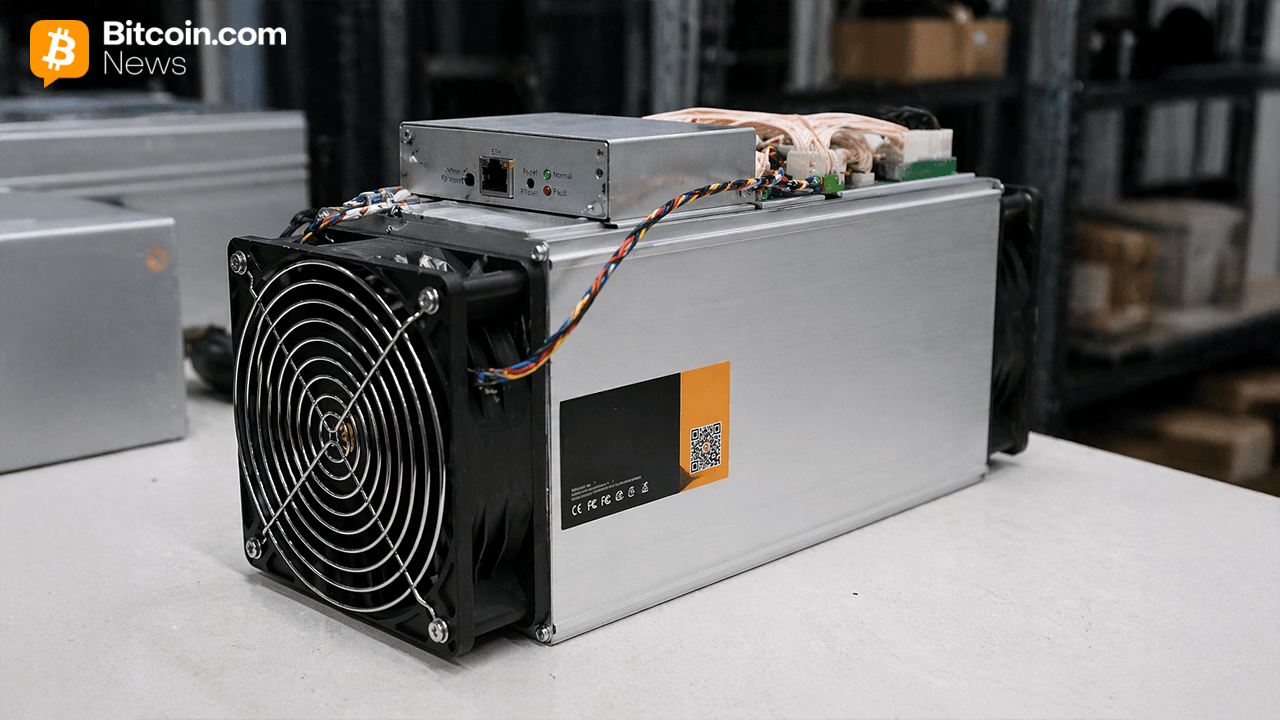
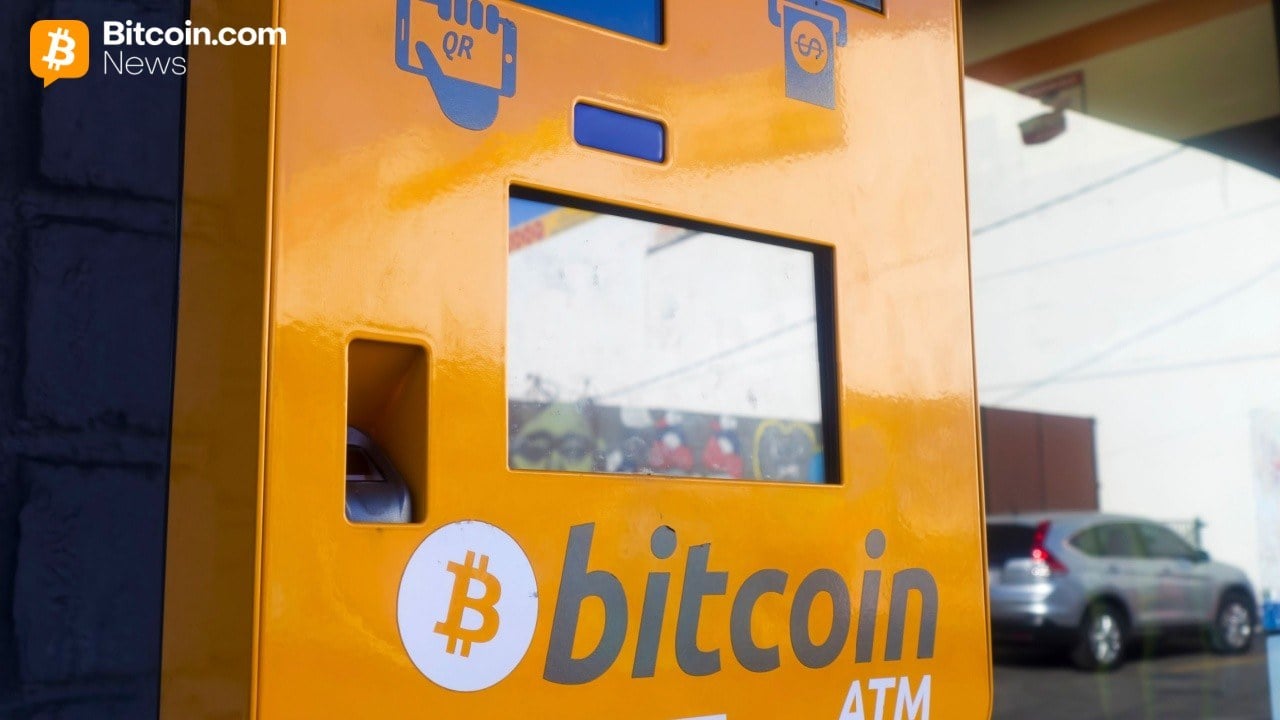
Cryptocurrency kiosks now operate in supermarkets, convenience stores, gas stations, bars, and restaurants nationwide. Scammers impersonating government officials, tech support representatives, or businesses persuade victims to withdraw cash and deposit the money into a kiosk. The transferred funds then move directly into digital wallets controlled by criminals, making recovery nearly impossible after completion. Federal Bureau of Investigation (FBI) data cited in the letter showed more than 13,460 complaints involving cryptocurrency kiosks during 2025, with reported losses exceeding $389 million.
State Authority Remains Central to AARP’s Position
AARP highlighted state enforcement as a major reason for preserving Section 205. The group pointed to 29 states that enacted cryptocurrency kiosk protections, including 12 during 2026. Indiana, Tennessee, and Minnesota adopted full bans, while six additional states and Washington, D.C., issued specific regulatory guidance covering the machines.
“We agree with AARP: Congress should protect consumers from scams while giving law enforcement stronger tools to act,” Blockchain Association stated on X ahead of the markup. “Claims that the Clarity Act does not do enough to address fraud are unfounded,” the group added, describing AARP as “one of the country’s leading consumer advocacy organizations” that is “actively supporting provisions in the bill designed to combat scams and protect vulnerable Americans.”
Noting that “older Americans cannot afford to see this provision weakened as the legislation advances,” AARP stated:
“As the bill moves through markup and beyond, our single, central ask is straightforward: please preserve the Section 205 language as written, including both the money transmitter registration requirement and the rule of construction protecting state authority.”
The letter gave senators another outside voice supporting Section 205 before formal consideration during the May 14 markup. AARP’s request centered specifically on maintaining the current Section 205 language without weakening either the registration mandate or the protections for state regulatory authority.